Let's talk about the intensity conversation you're probably avoiding
You bought a lemon clitoral vibrator together. Or one of you did, and now you're both curious about using it. What nobody tells you is that intensity settings become a surprisingly loaded topic between partners. Not because the toy is complicated, but because pleasure preferences rarely match perfectly. And when they don't, most couples either drop the toy entirely or one person ends up quiet and frustrated while the other has all the fun.
I'm Evelyn, a marriage and family therapist, and I've watched this exact dynamic play out with hundreds of couples over the years. The good news: this is entirely fixable. The better news: the Lem vibrator's design actually makes this conversation easier, not harder. Here's how to navigate it.
Why intensity disagreements happen in the first place
Let's start with the obvious part: people's nervous systems are wired differently. One person's "mild and nice" is another person's "way too much." That's not a flaw. It's neurology.
But there's another layer that rarely gets discussed. When you introduce a lemon clitoral vibrator into partnered sex, you're introducing an object that has preferences built into it. The Lem doesn't care how fast your partner finishes. It doesn't adjust to what feels good for both of you. It just does what you tell it to do. And if you two disagree on what "tell it" means, suddenly you're not having pleasure. You're having a negotiation.
That's normal. It's also fixable, but only if you actually have the conversation instead of just pushing buttons and hoping.
The conversation to have before you use it together
This is the part that feels awkward, so most people skip it. Don't.
Sit down. Not during sex. Not when you're aroused. Actually sit down when you're both clothed and neutral.
Start here: "I want to use the lemon clitoral vibrator together, and I want it to feel good for both of us. That probably means different intensity levels at different times. Can we talk about what that looks like for you?"
Then ask these three things, and actually listen to the answers:
1. What intensity level do you naturally gravitate toward? Not "what would be nice." What do they actually reach for when alone? If someone's been using patterns 4 and 5 for six months, asking them to stay on pattern 1 forever because their partner is sensitive isn't a compromise. It's a dead end.
2. What's the slowest you can genuinely enjoy? This is different from "can tolerate." Many people can enjoy lighter stimulation, but it takes longer to build. If one partner needs intensity 6 to feel anything and the other peaks at intensity 3, you're working with a 100% mismatch. You need to know that upfront.
3. Is intensity the actual issue, or is it something else? Sometimes people say "it's too intense" when what they actually mean is "I don't feel in control" or "this doesn't feel intimate" or "I want it to go slower so we can stay connected." Those are different problems that need different solutions.
Take notes if you need to. This isn't excessive. It's the difference between guessing and knowing.
How to actually use it together when your preferences don't align
Okay, you've talked. You've discovered that one of you loves the suction toy at patterns 3 and 4, and the other person finds that intensity overwhelming. Now what?
Here are the strategies that actually work:
Start low and escalate together. Turn on the Lem at pattern 1. Both of you engage with the sensations for a minute or two. Then ask: "Want to turn it up?" You're checking in continuously instead of setting it and hoping. This transforms intensity from a fixed problem into a collaborative dial. That single shift in mindset changes the entire dynamic.
Use the Lem vibrator's pattern variety to your advantage. The lemon clitoral vibrator has multiple patterns, not just intensity levels. Sometimes the issue isn't how strong the suction is. It's which pattern feels right. Maybe pattern 2 at intensity 5 feels better than pattern 1 at intensity 3, even though they seem similar on paper. Explore this together. Treat the patterns like a menu, not a hierarchy.
Alternate who's in control. If you're using it together, take turns holding it. When your partner holds it, they get to choose the intensity that feels good to them. When you hold it, you do. This isn't selfish. It's fair. And it teaches both of you what the other person actually needs.
Build in a "slow down" signal. Not a full stop. A signal that means "I like this, I want more, but ease back on the intensity for a moment." For some couples, that's a word. For others, it's a hand gesture. Whatever it is, make sure both of you know it and use it without shame.
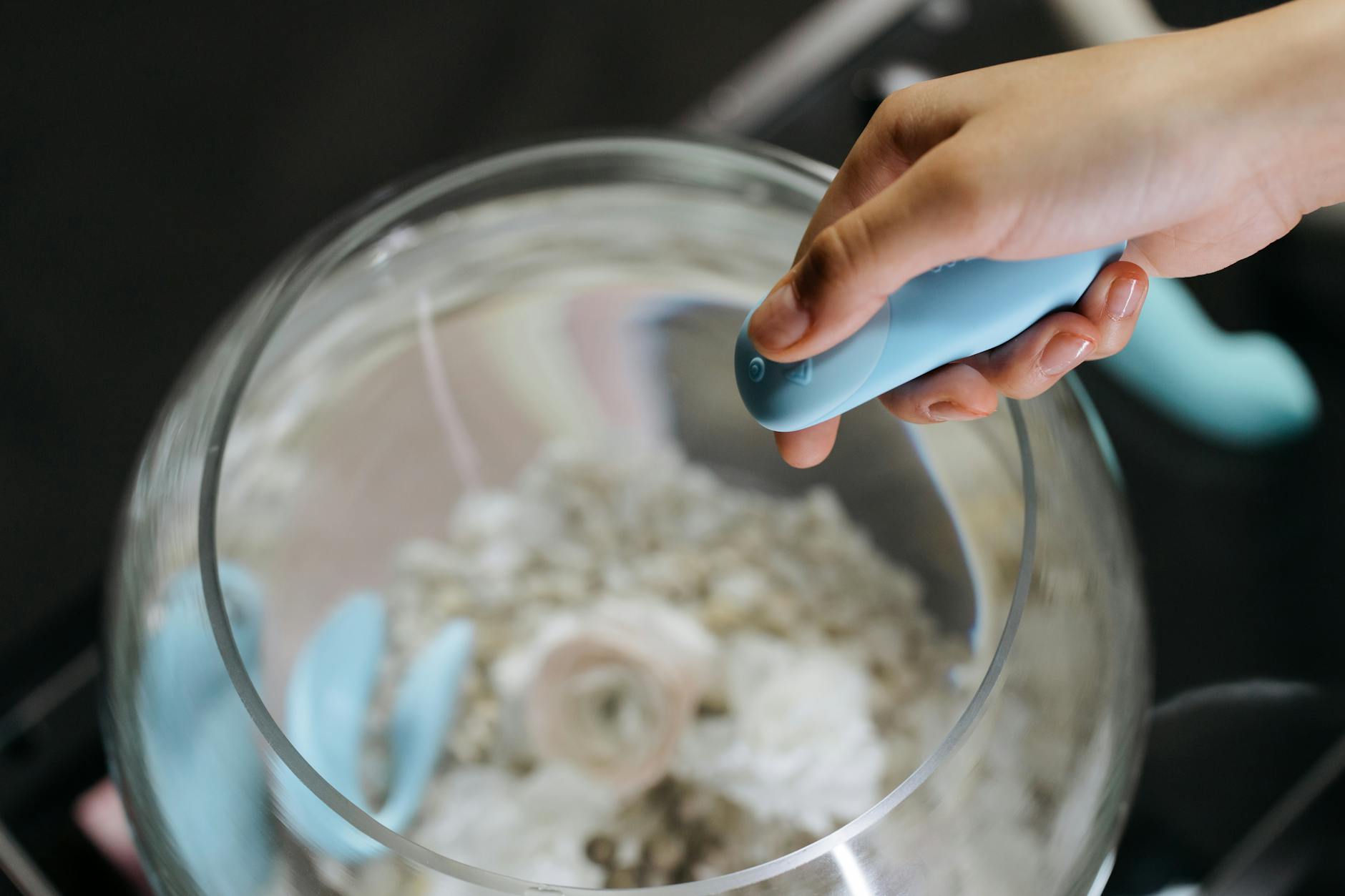
Photo by cottonbro studio on Pexels
The partner who feels "less sensitive" isn't broken
One more thing before we move on. If you're the person who needs higher intensity, or who enjoys more aggressive stimulation, your partner might internalize that as a personal failing. "I'm too sensitive. My body is wrong. I'm ruining this for us."
Kill that thought immediately. You're not broken. Your nervous system is just calibrated differently, and that's completely normal. About one in three people experience heightened sensitivity to direct clitoral stimulation. Another chunk of the population needs significant intensity to feel anything at all. Neither is wrong.
What matters is that you both know you're not going anywhere. You're not asking your partner to be someone they're not. You're just learning how to use the lemon clitoral vibrator in a way that works for both of you. And sometimes that means different settings at different times, or one partner using it while the other explores a different kind of touch. That's partnered sex. It's always a negotiation.
Why the Lem vibrator's suction design helps here
Let me circle back to why this specific toy matters. Traditional vibrators have one job: vibrate at various speeds. The Lem is a suction toy, which changes the equation. Suction stimulates nerves without the same mechanical friction that direct vibration creates. That means the intensity curve is gentler. You can go lower without feeling like you're barely there, and high intensity doesn't feel like maximum assault. There's more usable middle ground.
That middle ground is where couples usually find their sweet spot. It's why the Lem clitoral vibrator works so well for partners with mismatched sensitivity levels. The design itself creates more room for compromise.
When intensity preferences reveal deeper misalignment
Sometimes the intensity conversation is just about intensity. But sometimes it points to something bigger. A partner who consistently wants the toy cranked to maximum might be dealing with numbness or difficulty reaching orgasm, which means this is worth exploring separately. A partner who finds everything too intense might be struggling with anxiety or disconnection, which also deserves attention.
These aren't problems to solve with the lemon clitoral vibrator. They're signs that you might benefit from talking to a therapist together or exploring those issues separately. The toy is a tool. It's not a substitute for addressing what's actually going on underneath.
If you notice a pattern where one partner is consistently frustrated or one partner's pleasure is consistently off the table, pause the toy conversation and have a bigger conversation about what's actually happening in your intimacy.
The middle path: compromise patterns for regular use
After you've explored and talked, most couples settle on a "regular" intensity setting. Maybe that's pattern 3 at intensity 4. Or pattern 2 at intensity 5. Whatever feels like a genuine middle ground where both people are enjoying themselves, not one person powering through for the other's sake.
Once you've found that, here's what's worth knowing: you can always adjust upward or downward in the moment. You don't need permission. "A little less, actually" or "Can we go up?" are legitimate requests that should land smoothly by this point. You've already had the hard conversation. Now you're just fine-tuning.
FAQ: intensity and partnered pleasure
Q: What if one of us wants the Lem vibrator and the other doesn't?
A: That's a different conversation than intensity. If one partner isn't interested in using the toy at all, the question isn't about settings. It's about whether they feel pressured or whether there's a trust or comfort issue underneath. Start there. Don't bring the toy into bed until that's resolved.
Q: Can numbness happen if we use the lemon clitoral vibrator at high intensity together?
A: Yes. Overuse at maximum intensity can create temporary numbness in either partner's clitoris. That's why intensity matching matters. You're trying to use the toy regularly, not just once. If you're both pushing toward maximum intensity every time, you're both at risk. Stay in the moderate range most of the time.
Q: What if we still can't find a compromise intensity?
A: Then you're probably looking at different toys for different moments. One partner uses the Lem vibrator at their preferred intensity when alone or during solo exploration with their partner watching. The other uses it at their setting. Or one partner uses the lemon clitoral vibrator while the other uses a different toy. Not everything has to be synchronized to be intimate.
Q: Is it weird that my partner wants it way lower than me?
A: Not even slightly. This is probably the most common mismatch. One partner has a lower vibration threshold (or higher sensitivity), and the other needs more stimulation to feel engaged. It's not weird. It's just your bodies being different. The Lem vibrator actually handles this better than most toys because suction is less jarring than direct vibration.
Q: Should we use the same intensity every time?
A: No. Some days you might be more sensitive. Some days you might need more. Some days one of you is more present and the other is distracted. Building in flexibility means you're not forcing the toy to do the same job every single time. You're letting it work with your actual bodies on your actual day.
Q: How do we know if a preference for high intensity is a sign of a bigger problem?
A: If one partner consistently can't feel anything below intensity 7 or 8, or if intensity preferences are paired with low desire, difficulty reaching orgasm, or feeling disconnected, that's worth exploring with a healthcare provider. Sometimes it's just wiring. Sometimes it points to hormonal changes, medication side effects, or emotional factors. A good provider can help you figure out which.
The bottom line
Using a lemon clitoral vibrator as a couple is one of the fastest ways to either deepen intimacy or surface resentment. It depends entirely on whether you talk about intensity preferences beforehand. Have that conversation. Stay flexible. Check in with each other. And remember that the goal isn't for both of you to enjoy exactly the same thing. It's for both of you to enjoy yourselves while you're together.
Your pleasure matters. Their pleasure matters. The Lem vibrator is just the tool you're using to figure out how to honor both. Everything else is communication.