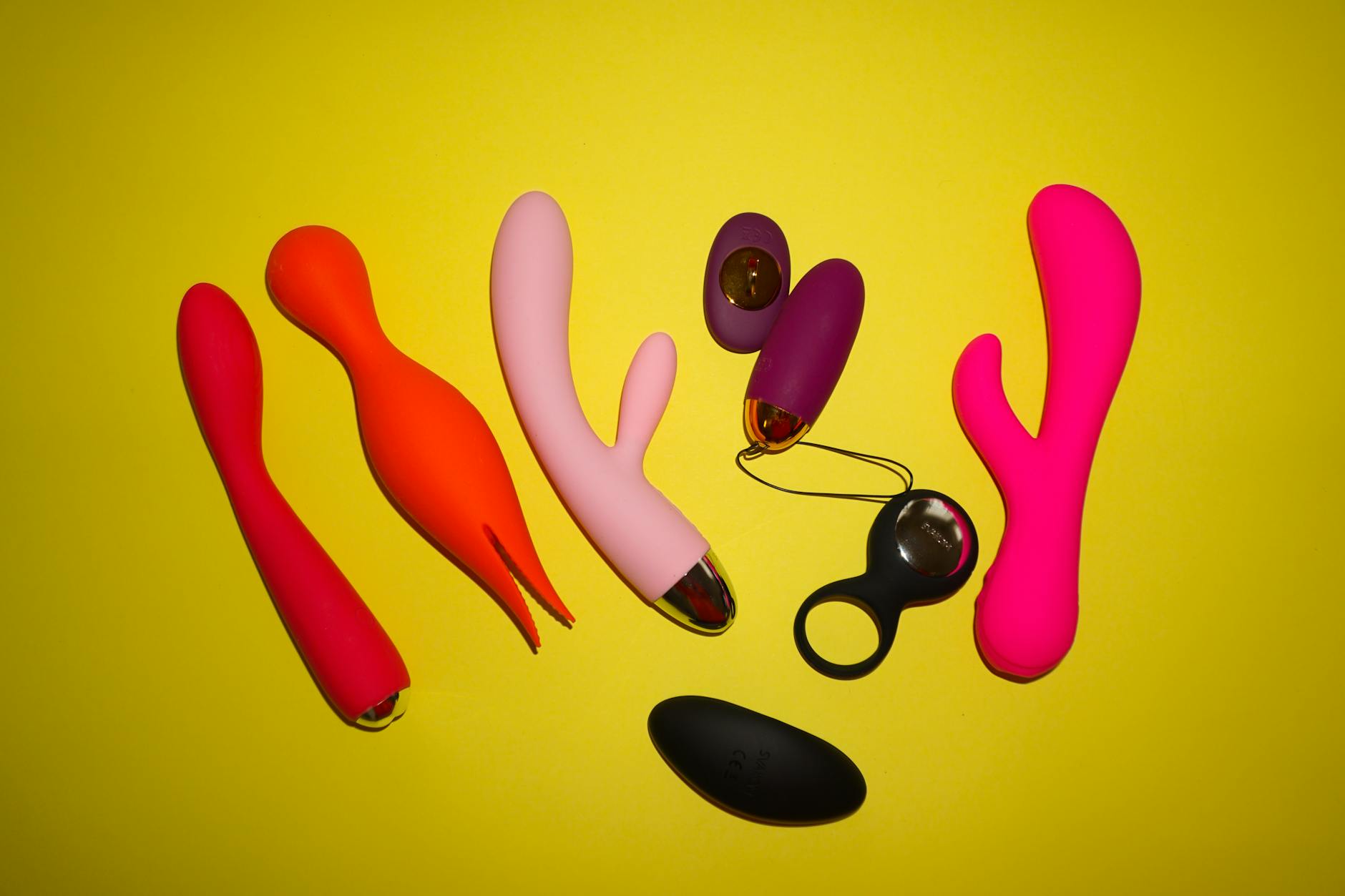
Here's the thing about lubrication
Your body isn't doing it wrong. It's doing exactly what bodies do. Lubrication is wildly inconsistent by design. Some days you're flowing freely. Other days, despite desire being completely present, you're dry. Both are normal. Both are frustrating.
When you're using a lemon vibrator—a suction-based clitoral vibrator that creates gentle negative pressure rather than vibration—lubrication matters differently than it does with other toys. The Lem doesn't require the same slick surface that a traditional vibrator does, but inconsistent natural lubrication can still affect comfort and sensation.
Let me walk you through why this happens, and exactly how to make a lemon clitoral vibrator work when your body's hydration is all over the map.
Why your lubrication fluctuates so wildly
Cycle hormones are the obvious culprit, but they're not the only one. Estrogen peaks around ovulation and drops at other points in your cycle, and it directly affects vaginal and vulvar moisture. But if you're not tracking your cycle (or if your cycle is irregular, or if you've had a hysterectomy or hormonal shift), lubrication still varies for a dozen other reasons.
Dehydration. Caffeine. Stress. Sleep. Antihistamines and antidepressants. Alcohol the night before. Whether you ate enough that day. Illness. Seasonal changes. How aroused you actually are in that moment (arousal and natural lubrication aren't the same thing, even though we treat them like they are).
The real kicker: none of this means anything is wrong. Your body is responding to its actual environment. The mistake most people make is treating inconsistent lubrication like a personal failure rather than a logistics problem that has a solution.
The advantage lemon vibrators have here
Before we talk about fixes, let's acknowledge what works in your favor. A lemon vibrator uses suction and pressure to stimulate the clitoral complex, which means it's not dependent on glide the way a curved vibrator or dildo is. You're not sliding anything in and out. The seal matters more than the slick.
That said, dry tissue can feel irritated or uncomfortable during suction, and if your lubrication is genuinely low, the physical sensation might feel muted. This is where strategy comes in.
How to prepare when you know lubrication is going to be a factor
If you've noticed your natural lubrication drops at certain points in your cycle, plan accordingly. Hydrate for three to four days before solo time or partnered sex. Not obsessively, just consciously. Aim for 2 to 3 liters of water daily, and don't front-load it all an hour before. Your body needs time to absorb and distribute it.
Boost arousal time. When natural lubrication is inconsistent, you need more warm-up. Don't budget five minutes. Budget 15 to 20. Mental arousal, touch, kissing if you're partnered, reading something that works for you, whatever your foreplay actually is. The longer your brain is engaged in arousal, the more likely your body will follow.
Check medication timing. If you take antihistamines or certain antidepressants, look at when you take them. Some people find that taking them at night rather than morning, or switching the timing slightly, helps. Talk to your prescriber about this—they might have insights.
Keep a simple note of when lubrication dips. Just a date and a note. After a few cycles, patterns often emerge. Knowing your body's actual rhythm beats guessing.
The lubricant strategy that actually works
Here's where most advice fails: people recommend lube as an afterthought, as if it's cheating. It's not. It's physics. If your body isn't producing enough, external lubrication is the straightforward answer.
For lemon vibrators and other clitoral toys, water-based lubricants work best. They feel closest to natural lubrication, they don't degrade silicone, and they reactivate with a little moisture if they start to dry out mid-use. Silicone-based lubes last longer but can damage silicone toys, and they're harder to clean off afterward.
Use more than you think you need. A small amount dries out fast. Start generous, especially around the vulva and the area where the lemon vibrator's opening creates that seal. You're creating a wet environment, not just a slick one.
If you notice lubrication drying during use, pause, add more lubricant, and resume. Don't push through discomfort. That discomfort is information telling you to adjust.
For partnered use, negotiate lubrication openly the same way you'd negotiate anything else. If your partner is entering and lubrication is inconsistent, lube benefits them too. It reduces friction and changes sensation in ways most partners actually enjoy.
What to do when you're in the moment and lubrication isn't there
You didn't plan ahead. Lubrication is low. You want to use your lemon vibrator anyway. Here's the no-drama approach.
Pause and use your own arousal first. Spend another five to ten minutes on whatever gets your blood moving. Masturbation, partnered touch, breathing, whatever works. Your body might catch up.
If it doesn't, reach for lubricant without resentment. Keep water-based lube in your nightstand drawer, not hidden. Make it as normal as reaching for a tissue. Ease a thin layer around the vulva, especially where you'll be using the lemon vibrator.
Start the lemon vibrator at a lower setting. If your device has modes or intensity levels, begin gently. Your tissues are more sensitive when they're dry, and jumping straight to high intensity can feel too intense or even slightly painful.
Build intensity slowly. Move up through the patterns or levels gradually, checking in with yourself. Sensation shifts as arousal builds and as you settle into the toy's rhythm. What felt like medium intensity at the start often feels gentle once you're fully engaged.
If it's just not working, stop. Lubrication being off doesn't mean sex or solo play has to happen right now. Your body is telling you something. Listen. There's always tomorrow.
The hydration piece nobody talks about
Long-term lubrication consistency actually starts with systemic hydration. You might be drinking enough water, but your tissues might still be slightly dehydrated, especially if you're in a dry climate, exercising frequently, or dealing with stress.
Electrolyte balance matters too, especially if you're sweating a lot or on a low-sodium diet. You don't need fancy electrolyte drinks, but eating a bit more salt and staying hydrated helps. This sounds absurdly basic until you realize how many people solve their lubrication issues by simply drinking more water and sleeping better.
If you're on medications that dry you out (antihistamines, antidepressants, blood pressure meds), talk to your prescriber about timing or alternatives. Sometimes a small shift in dosing time can help without changing the medication itself.
When inconsistent lubrication signals something else
Most lubrication inconsistency is just normal body variation. But if lubrication has shifted suddenly and dramatically, or if it's accompanied by itching, burning, or unusual odor, check in with a doctor. Conditions like bacterial vaginosis, yeast infections, or hormonal shifts can alter lubrication and are easily treated once diagnosed.
If using your lemon vibrator suddenly causes discomfort where it didn't before, that's also worth mentioning to a healthcare provider. Genitourinary syndrome of menopause, pelvic floor tension, or other tissue changes can make clitoral stimulation feel different. A pelvic health specialist can help.
Inconsistent lubrication paired with other changes like burning during urination, unusual discharge, or pain during sex warrants a conversation with someone who can actually examine you. Don't tough it out or assume it's normal.
The reality check
Every body varies. Every cycle varies. Using a lemon clitoral vibrator when lubrication is unpredictable just means you need a plan B, not that something is broken. Water-based lubricant, longer warm-up time, hydration, and patience with your body's actual rhythms solve most of this.
Your pleasure doesn't require perfect conditions. It requires you paying attention to what your body actually needs and adjusting accordingly. That's not compromise. That's honoring what your body is telling you.
FAQ
Why does my natural lubrication change so much from day to day?
Lubrication is influenced by estrogen, hydration, arousal level, stress, medication, sleep, caffeine, and cycle phase. Your body isn't malfunctioning. It's responding to genuinely different conditions every single day. Most of this variation is completely normal and doesn't indicate any problem.
Can I use silicone-based lube with my lemon vibrator?
No. Silicone-based lubricants degrade silicone toys over time, including lemon vibrators. Stick with water-based lubrication. Water-based lubes are also easier to clean off, reactivate if they dry during use, and feel closest to natural lubrication.
How much lubricant should I use with a clitoral vibrator?
More than you think you need. Start with a generous amount around the vulva and where the lemon vibrator creates its seal. Thin application dries out quickly, especially during extended use. You can always add more, but you can't remove what's already there.
Does using lubricant mean something is wrong with my body?
No. Using lubricant is using a tool. People with completely normal lubrication still use lubricant for comfort, sensation, and consistency. It's not a sign of dysfunction or failure. It's a practical adjustment.
Should I be concerned if my lubrication changes after starting a new medication?
Possibly. Antihistamines, antidepressants, and some blood pressure medications are known to reduce lubrication. If the change is dramatic, mention it to your prescriber. They might adjust timing, dose, or recommend an alternative. Don't stop your medication without guidance, but do have the conversation.
What if my partner thinks needing lubricant means I'm not attracted to them?
Then you have a conversation, not a problem with your body. Lubrication and arousal aren't the same thing. You can be wildly attracted and still need lubricant for comfort. Frame it as something that helps you both feel better, not as a workaround for a missing emotion. If how to introduce a lemon vibrator to your partner without triggering insecurity feels relevant, that post walks through that exact conversation.
What happens next
Inconsistent lubrication is one of the easiest pleasure blockers to solve because the solution is so straightforward. Water, lube, time, and understanding how your body responds across different conditions.
Your lemon vibrator is designed to work with your body as it actually is. On wet days and dry days. On stressed days and relaxed days. On any day. The tool adapts. You just need to meet it halfway with a little knowledge and a bottle of water-based lubricant.
If you have questions about how to use your Hello Nansy lemon vibrator, reach out to us at /contact—we're here to help.