Here's the thing about lubrication
Your body doesn't produce the same amount of wetness every single day. Or every cycle. Or even every time you get turned on. That's not a malfunction. It's just biology being inconsistent, which honestly feels unfair when you're trying to enjoy yourself.
The problem isn't the variation. The problem is that most people assume lubrication and arousal are the same thing. They're not. You can be fully turned on and still be drier than usual. You can also be less mentally present and still produce plenty of lubrication. The disconnect between what's happening in your brain and what's happening in your body creates frustration, which then kills the mood entirely.
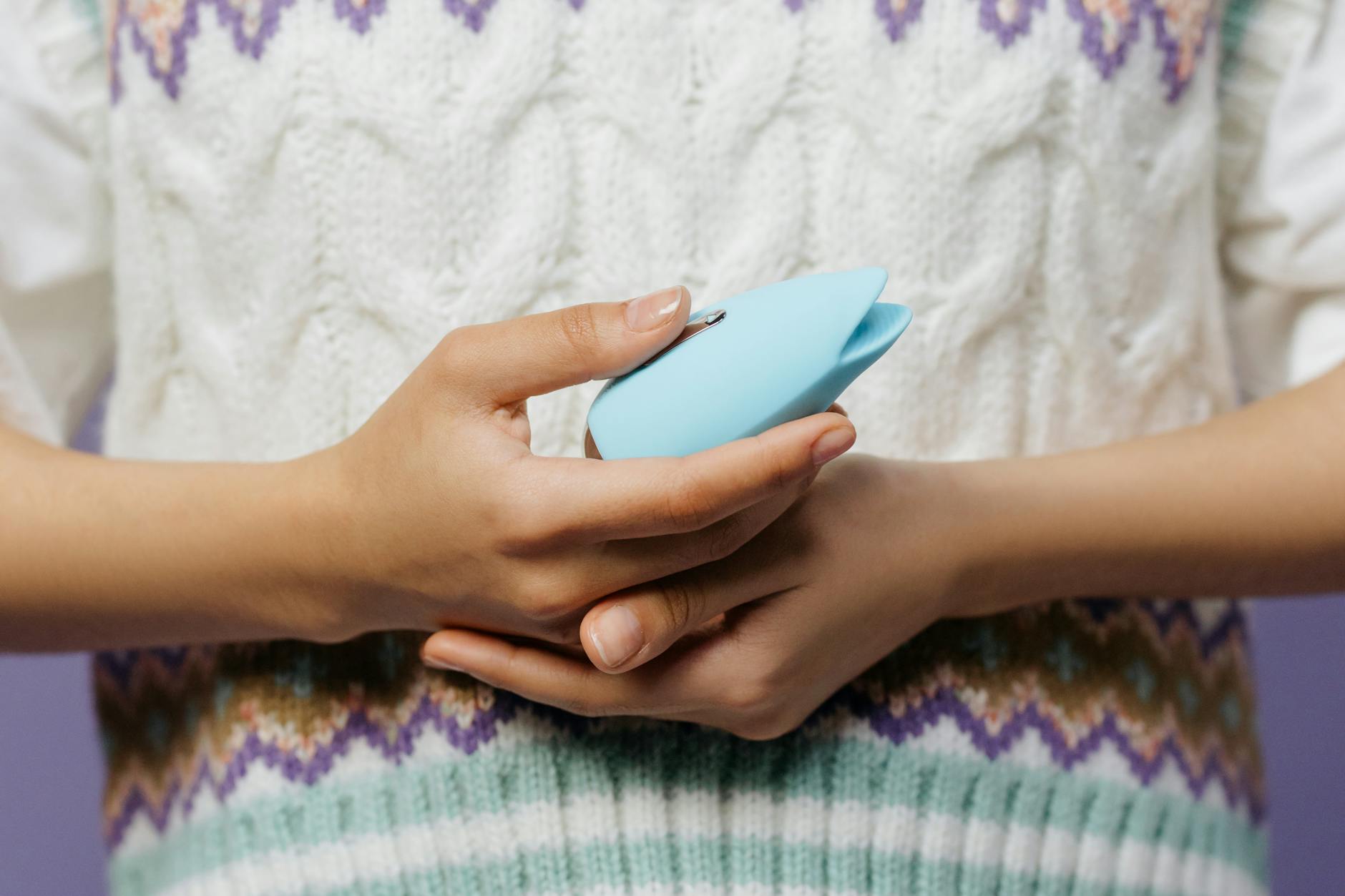
Lemon vibrators, especially ones that use suction like the Lem, actually handle this better than you'd expect.
Why lubrication fluctuates (and it's normal)
There are about six major things that shift how much natural lubrication you produce on any given day:
Cycle phase. If you menstruate, lubrication peaks around ovulation and dips after your period. Some people are wetter during their follicular phase. Others barely notice a change. Every body is different here.
Hydration levels. Dehydrated tissues produce less fluid. It's unsexy but true. Drink water before sex, not after.
Stress and cortisol. High cortisol suppresses arousal response. Work deadlines, family stuff, anxiety, sleep deprivation. All of it affects how your body responds, not just your mood.
Medications and hormones. Birth control, antidepressants, antihistamines, blood pressure meds. Anything that affects blood flow or hormone levels can shift lubrication.
Age and estrogen. As estrogen drops (whether from natural aging, hormonal birth control, or medical treatment), tissue becomes thinner and produces less natural lubrication. This isn't permanent, but it does require adjustment.
Timing and foreplay. If you skip warm-up or move quickly to penetration or direct clitoral stimulation, your body doesn't have time to produce fluid. Lubrication is a response, not a switch.
Knowing this matters because it stops you from blaming yourself or your partner when things feel different than last time.
How a lemon vibrator handles dry days
The suction action that makes lemon clitoral vibrators work so well actually has a hidden advantage when lubrication is low: suction doesn't require friction.
Traditional vibrators work through vibration and sometimes direct pressure. On a day when you're naturally drier, that friction can feel uncomfortable. Suction creates a seal and gentle pulling sensation instead, which feels good whether you're naturally lubricated or not.
This is why people often report that lemon vibrators feel less harsh on days when natural lubrication is unpredictable. You're not dragging sensitive tissue across a vibrating surface. The sensation is different and, honestly, often more pleasant.
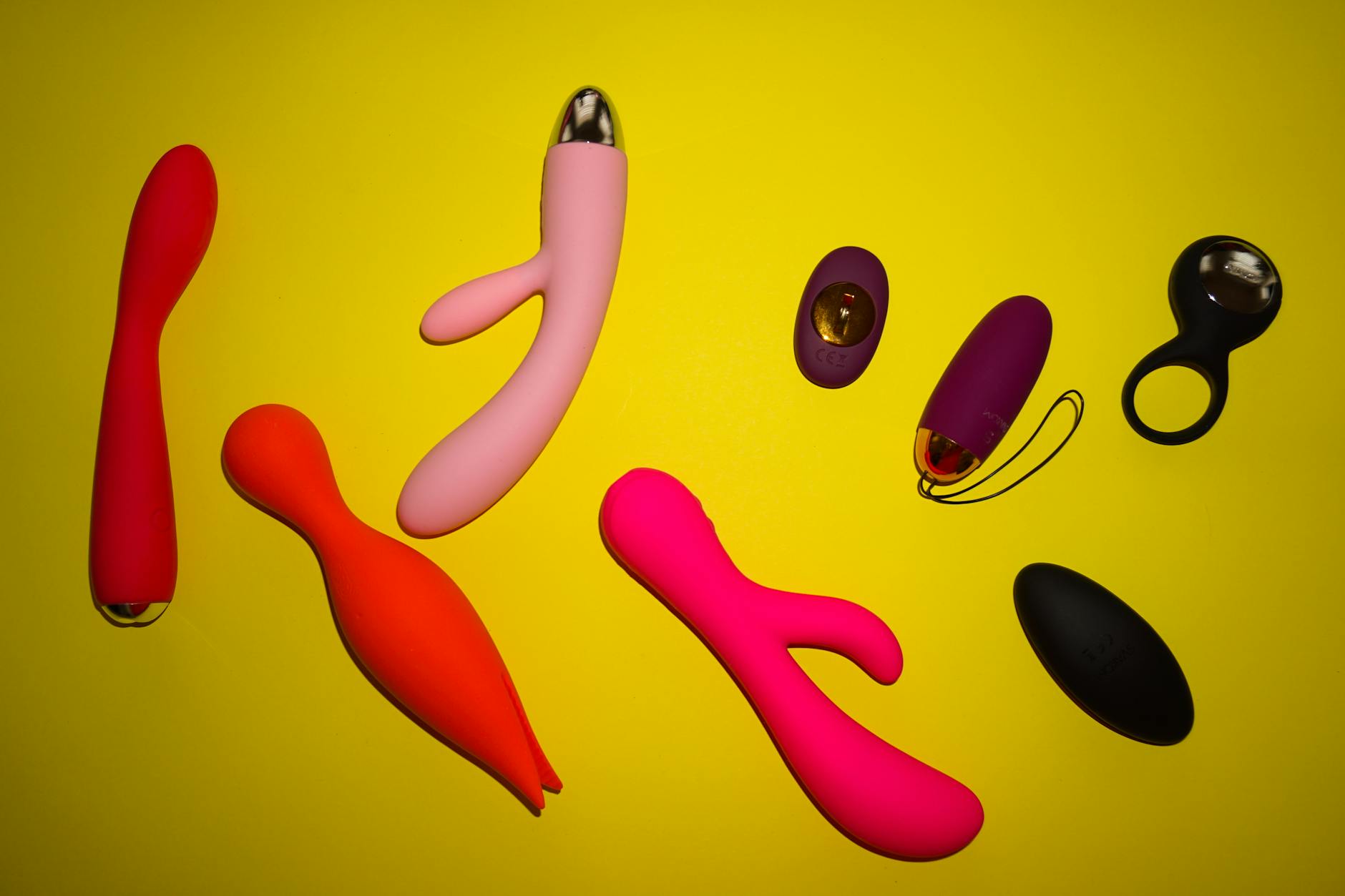
Photo by DRT.fm on Pexels
The lube question: when to add it anyway
Here's what I tell most people: you don't have to use lubricant with a lemon suction vibrator, but you can. It's optional, not mandatory.
If you're naturally lubricated enough that things feel comfortable, skip the lube. The whole appeal of suction is that it doesn't rely on friction. Adding lube won't hurt, but it's not necessary.
If you're dry and want to add lubrication, use water-based or silicone-based. Water-based is safer with most toys (though the Lem is silicone). Silicone-based lube lasts longer and feels richer, which some people prefer on low-lubrication days.
One thing to avoid: oil-based lubes. They degrade silicone and leave a sticky residue.
The bigger point: using lube isn't admitting defeat. It's logistics. On days when your body isn't producing as much, adding a little helps you focus on pleasure instead of whether things feel right.
Technique adjustments for unpredictable days
Once you accept that lubrication varies, you can adapt technique instead of feeling frustrated.
Start at lower intensities. On days when you're drier, begin at pattern 1 or 2 instead of jumping to 5 or 6. Let your body warm up. You can always increase intensity, but you can't unsensitize tissue that's already irritated.
Spend more time on indirect stimulation. If your clitoris feels sensitive when you're drier, use the vibrator around the area first. Outer labia, the sides, the area above the clitoris. This builds arousal and often increases natural lubrication.
Add a warm-up phase. Seriously. Fifteen to twenty minutes of something else first. Kissing, manual stimulation, dirty talk, whatever gets you mentally turned on. This primes your body to produce more fluid and makes direct clitoral stimulation less irritating.
Use the seal carefully. The suction on a lemon vibrator is part of what makes it work, but you can control how tight the seal is. If things feel too intense, adjust the position slightly to reduce the seal. If you want stronger sensation, press it more firmly. It's adjustable in ways traditional vibrators aren't.
Consider a different position. If you usually self-stimulate in one position, try another. Lying on your side versus on your back, for example, changes pressure and sensation and sometimes changes how much lubrication your body produces in response.
When to think about it differently
Lubrication dryness on some days is normal variation. Lubrication dryness all the time is worth discussing with a doctor, especially if it's new for you or accompanied by other changes.
Genitourinary syndrome (atrophy, dryness, irritation that happens with lower estrogen) is real and fixable. Topical estrogen cream applied a few times a week can transform things. It's not a big deal, but it's also not something you have to just tolerate.
Medication side effects are also worth flagging. If you started a new antidepressant or birth control and suddenly everything feels drier, that's information for your prescriber. Switching doses or timing can sometimes help.
And if your lubrication variability is connected to stress or sleep, you already know the fix: sleep better, stress less. I know, I know. But it's true.
The mental piece
Here's what I notice most often: people with unpredictable lubrication start anticipating dryness and tense up before sex even begins. That tension makes everything worse because your body produces less fluid when you're anxious.
You end up in a loop where worry causes dryness, which confirms your worry, which causes more tension.
Breaking that means separating "unpredictable lubrication" from "something's wrong with me." It's not. It's just variation. And honestly, a lemon vibrator handles variation better than most techniques because it doesn't depend on a specific amount of natural lubrication to feel amazing.
If you're starting to use a lemon vibrator for the first time, remember that adjusting to what works for your body takes a few sessions. On day three, you'll know more than on day one. By week two, you'll have figured out what feels best on different days.
FAQ
Can I use a lemon vibrator on days when I have very little natural lubrication?
Yes. Lemon clitoral vibrators work through suction, not friction, so they don't require significant natural lubrication. You might choose to add water-based lube for comfort, but it's not necessary. Start at lower intensity and focus on indirect stimulation to let your body warm up.
Does water-based lubricant affect how a lemon suction vibrator feels?
Not significantly. Water-based lube is safe to use with silicone toys and won't damage them. It might slightly reduce the seal if you use a lot, but a small amount won't change the sensation much. Some people prefer the way lube feels; others prefer going without.
Is it normal for lubrication to change throughout my cycle?
Completely normal. Most people produce more lubrication around ovulation and less after their period. Stress, sleep, hydration, and medications also affect lubrication. It's one of the most variable aspects of arousal, so variation is the baseline expectation.
Should I be concerned if I'm consistently drier than I used to be?
If the change is recent and significant, it's worth mentioning to your doctor. Hormonal shifts, medication side effects, or medical conditions like genitourinary syndrome can cause persistent dryness. This is fixable, but you need the right diagnosis first.
What's the difference between low lubrication and low arousal?
Low lubrication is a physical response that doesn't always reflect mental arousal. You can be fully turned on mentally and still be drier than usual. You can also be less present and still produce lubrication. They're separate systems. A lemon vibrator works because it triggers physical response even when lubrication is variable.
Can I mix lube types with a lemon vibrator?
Stick to one type per session. Water-based and silicone-based lubes don't layer well, and mixing them can create a sticky residue. If you want to switch, rinse first. Never use oil-based lube with silicone toys.
Unpredictable lubrication is one of those things nobody warns you about and everyone experiences. The relief most people feel when they realize it's normal (and totally manageable with the right tools) is almost as good as the pleasure itself. A lemon vibrator adapts to what your body's doing on any given day, which means you don't have to fight your biology. You just work with it.