Here's the thing about arousal and pressure
Arousal isn't something you can force. Your nervous system knows when you're being watched, when there's an expectation, when someone's waiting for you to get turned on on schedule. The moment your partner wants you to want them, your body often does the exact opposite. This isn't dysfunction. It's a survival mechanism.
When a partner signals expectation—through words, timing, or even just attention—your nervous system flips into a subtle alert state. You're no longer exploring pleasure for yourself. You're performing it for someone else. And performance is the enemy of arousal.
Why partner pressure kills sensation
Your arousal system requires a feeling of safety and autonomy. Both get threatened when there's pressure involved. A partner expecting sex on a timeline, or making you feel like your lack of desire is a problem to solve, creates what therapists call "demand avoidance." The more pressure, the more your nervous system contracts. Blood flows away from the genitals and into your muscles. Your brain goes into monitoring mode instead of pleasure mode.
The irony is brutal. A partner who says "take your time, no pressure" can still create pressure through:n
- Initiating touch when you're not ready
- Waiting in the room while you use a toy
- Checking in repeatedly about whether you're enjoying yourself
- Treating your arousal as something they need to witness or validate
- Making your low desire a topic for "fixing"
All of this is subtle. None of it is malicious. But all of it narrows your access to pleasure.
The reset: solo exploration with a lemon vibrator
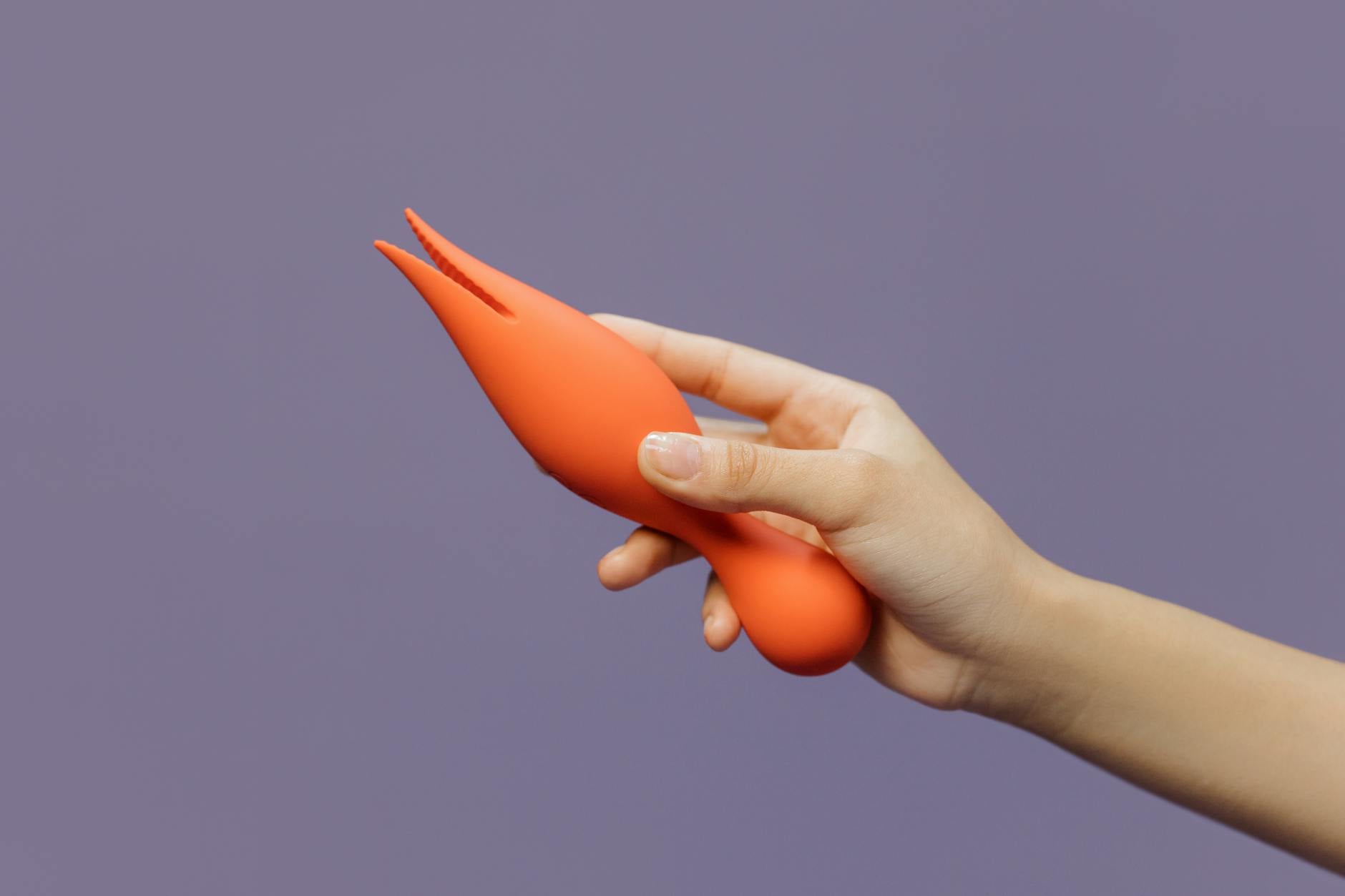
Let's be direct. You need time alone with sensation, without an audience and without a goal. This is where a lemon clitoral vibrator becomes genuinely transformative.
Why specifically a lemon vibrator? The suction-based design of models like the Lem works differently than traditional vibration. It stimulates nerve endings through gentle pressure waves rather than speed or intensity. This is useful for pressure-affected arousal because it doesn't require you to mentally engage with the toy the way you do with other vibrators. The sensation is almost passive. Your job becomes noticing rather than performing.
Start without any goal. Not "I need to orgasm." Not "I need to prove I still desire my partner." Just "I'm going to spend 20 minutes with this lemon vibrator and pay attention to what feels good right now."
Building the conditions for arousal to return
Three things matter here more than the toy itself.
First, privacy that feels real. Your partner needs to be occupied elsewhere, not in the next room pretending not to listen. Lock the door. Put your phone in another room. This is for you only.
Second, start with almost nothing. Many people jump to the highest suction setting on their lemon vibrator because they expect arousal to work like it used to. It won't. Your nervous system is in recovery mode. Start at the lowest setting. Spend five minutes just noticing sensation without trying to escalate it. This sounds boring. It's the opposite. When you're not chasing anything, small sensations feel enormous.
Third, notice what you actually want. Not what you should want. Not what's "normal" or what your partner expects. When you're using a lemon clitoral vibrator solo, you have permission to prefer something completely unexpected. You might want to touch your breasts more than your clitoris. You might want to slow down instead of speed up. You might want to stop. All of that information is gold.
The conversation that needs to happen
Once you've reclaimed some sense of autonomous pleasure, you need to talk to your partner. Not during sex. Not in the moment. Over coffee or a walk, with time and calm.
The goal isn't to blame them. It's to name the pattern and reset expectations. Something like: "When I feel like you're waiting for me to be aroused, I can't access arousal. I need more space to explore on my own, and then I want to come back to you. But I need you to trust that I'll come back."
For some partners, this will land immediately. For others, it triggers their own stuff. They might hear "I need time alone" as "I don't desire you." That's their work to do, not yours. You can't fix their insecurity by performing arousal on demand. You'll only deepen the resentment.
If your partner responds with defensiveness or refusal to give you space, that's information too. That's a boundary being tested. You might need a couples therapist to navigate this, which is fine. Better to know now.
What changes when you prioritize your own pleasure first
Once you've spent a few weeks exploring sensation with your lemon vibrator without pressure, something shifts. Your nervous system begins to recognize that arousal is safe again. It's not a test. It's not a favor you owe. It's something you do because it feels good.
When you return to partnered sex, you'll likely find that arousal comes faster and feels more authentic. You're not performing recovery. You're actually recovered. The pleasure you accessed alone informs the pleasure you can access together.
Many people also notice that they want touch differently. Maybe you want more direct clitoral stimulation from your partner. Maybe you want to use your lemon vibrator during partnered sex sometimes. Maybe you want longer warm-up time. All of this is fine. In fact, it's better than fine. It's honest.
When pressure is about something deeper
Sometimes partner pressure around arousal masks a bigger relational issue. A partner who needs constant sexual validation, or who makes your body a referendum on how much you love them, is signaling something worth paying attention to. Your low arousal might not be a problem to fix. It might be feedback that something in the relationship needs changing.
Before you assume your nervous system is broken, check whether your partner's behavior is actually safe. Do they respect your no? Do they take your pleasure seriously, or just their own? Do they assume bad faith when you're not in the mood? These are relationship questions, not arousal questions. A lemon vibrator will help you access pleasure again. It won't fix a partner who doesn't respect your autonomy.
The timeline
Don't expect this to resolve in a week. Pressure-affected arousal usually took months or years to develop. Recovery takes time. Most people notice changes within 3-4 weeks of consistent solo exploration. By 8-12 weeks, desire usually begins returning. Some people's arousal stays permanently changed. They need longer warm-up, or they prefer solo sensation, or their desire looks completely different from before. That's okay. That's not broken. That's just information about who you are now.
FAQ
Why does my nervous system shut down arousal when there's partner pressure?
Your brain's threat-detection system prioritizes safety over pleasure. When you feel watched or expected to perform, your nervous system perceives a mild threat and diverts resources away from sexual response. This isn't weakness. It's your body protecting itself.
Can I use a lemon vibrator with my partner to rebuild arousal together?
Not yet. The purpose of solo exploration is to reclaim sensation that's entirely yours. Once your nervous system associates the lemon vibrator with safe, autonomous pleasure, you can introduce it to partnered sessions. But start alone. The privacy is part of the healing.
What if my partner feels excluded or threatened by me using a vibrator solo?
That's their insecurity to address, ideally with a therapist. Your right to solo pleasure is non-negotiable. Frame it clearly: "This is for me to reconnect with my own body. It's not about you. When I'm ready to share pleasure with you, I will." Some partners will need reassurance. Some will need to do their own work.
How often should I use a lemon clitoral vibrator for this to work?
Start with 2-3 times per week for 20-30 minutes. Consistency matters more than duration. Your nervous system needs repeated signals that arousal is safe and autonomous. Sporadic sessions don't reset the pattern.
Can pressure from my own self-expectations cause the same shutdown as partner pressure?
Absolutely. If you're using a lemon vibrator but silently demanding that you orgasm, or that you prove your sexuality is still intact, you're creating pressure on yourself. The goal is pleasure, not performance. If you're not enjoying yourself after a few minutes, stop. Come back later. Forcing it defeats the purpose.
What if I regain arousal solo but it disappears again when I'm with my partner?
That tells you the pressure is still there, even if it's unspoken. Your nervous system doesn't trust the relational dynamic yet. You might need more time solo. You might need a conversation with your partner that's more explicit. Or you might need professional support to rebuild trust. None of these are failures.
The real work
Using a lemon vibrator is the easy part. The harder work is trusting that your pleasure matters more than your partner's expectations. It is more important. Your nervous system, your body, your desire—these are yours first. When you protect that autonomy, you actually become more able to share pleasure authentically. So start there. Spend time with a lemon clitoral vibrator in a locked room with no one watching. Let your nervous system remember that arousal is safe. Everything else builds from that foundation.
If you're stuck in a dynamic where pressure is constant and your partner won't engage differently, reach out. Sometimes individual work helps. Sometimes you need support navigating relational patterns that affect your entire life, not just your sex life. Either way, your pleasure deserves space. Claim it.