Here's what nobody tells you about slow arousal
Arousal isn't a binary. It's not "on" or "off." For many people, especially as we age or move through different life phases, arousal is a dimmer switch rather than a light switch. It takes time. Sometimes a lot of time.
And here's the part that matters: a slow build doesn't mean low desire. It means your nervous system needs more runway.
Why arousal takes longer (and it's not what you think)
There are about seven reasons arousal might slow down. Some are obvious. Others catch people off guard.
Stress and mental load. When your brain is cycling through work deadlines, family logistics, or relationship tension, blood flow doesn't automatically rush to your genitals. Your sympathetic nervous system (the fight-or-flight side) stays mildly activated, which suppresses arousal. This is not a character flaw. This is neurology.
Medication. Antidepressants, blood pressure meds, and antihistamines all can slow arousal or flatten the intensity of it. If you're taking any regular medication and your arousal has changed, mention it to your doctor.
Hormonal shifts. Estrogen supports blood flow to genital tissue and quickens arousal response. When estrogen drops—during perimenopause, menopause, or even certain phases of the menstrual cycle—arousal may take 15 to 30 minutes instead of five. This isn't permanent, but it's predictable.
Age and tissue changes. Blood vessels become slightly less responsive over time. Genital tissue becomes less engorged as quickly. This is gradual and manageable, especially with the right approach.
Relationship dynamics. If you're partnered and sex has become routine, obligatory, or tense, arousal often slows. Your body is wise. It's protecting you from something that doesn't feel safe or present.
Reduced novelty. Repetition can flatten arousal. Your nervous system stops treating sex as novel and interesting. It becomes a checkbox.
Pelvic floor tension. When your pelvic floor muscles stay tight (from stress, anxiety, or habit), blood flow to the clitoris decreases and arousal takes longer to accumulate.
The good news: slow arousal is one of the most fixable challenges. And lemon clitoral vibrators handle it beautifully.
Why lemon vibrators work for slow arousal
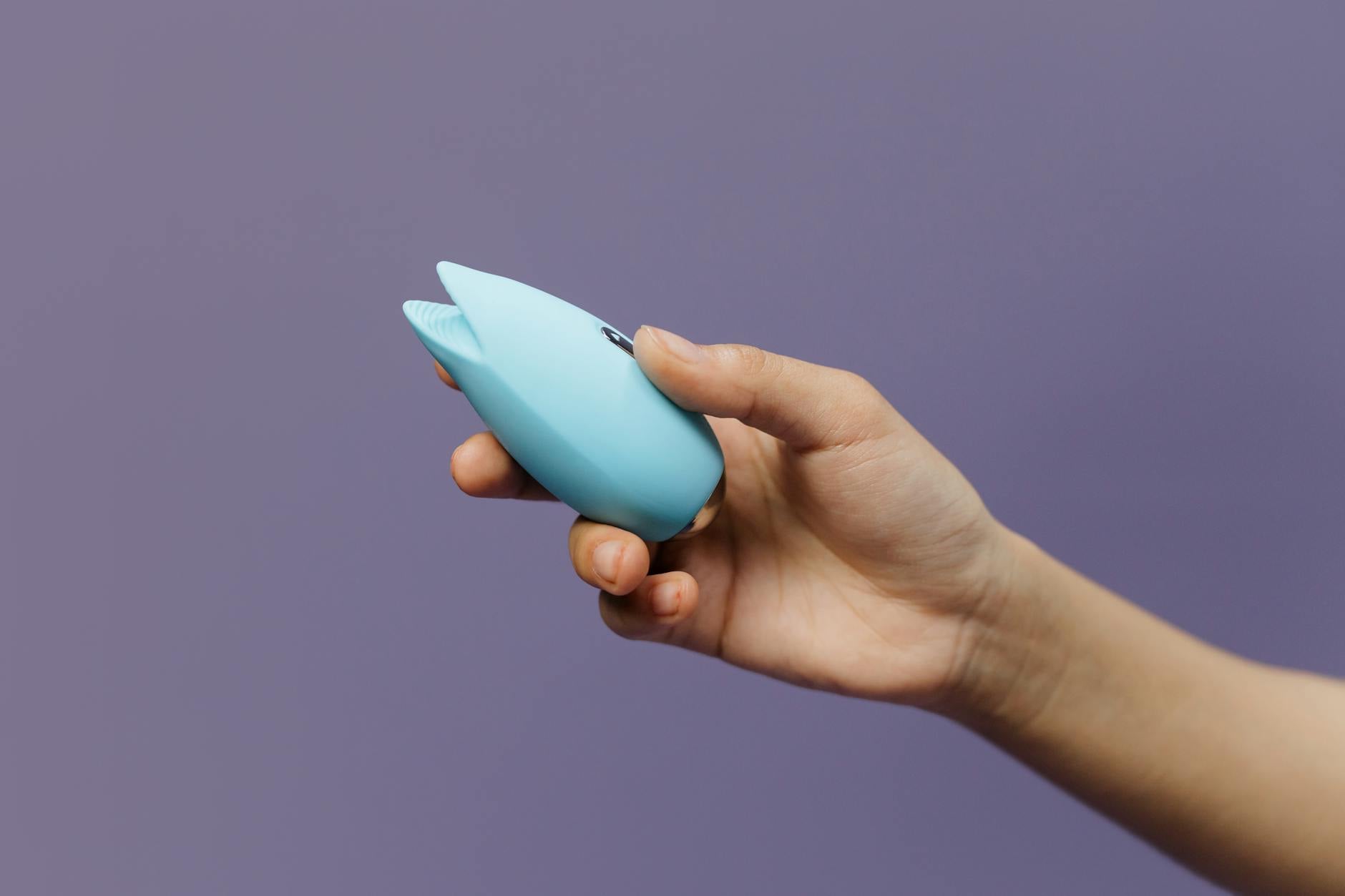
A lemon vibrator, like the Lem, does something specific that matches slow arousal perfectly: it provides consistent external stimulation without requiring your body to generate the internal response first.
Here's the mechanic. Arousal normally builds through a feedback loop: your brain sends a signal, blood flows, tissue engorges, nerves fire, and you feel more turned on. But when arousal is slow, that feedback loop moves at a crawl. A lemon sexual toy skips the internal part and jumps straight to stimulation. It wakes up the nerves. It says, "Hey, something pleasurable is happening." Your body responds because sensation is happening, not because you're waiting for internal response to catch up.
The suction mechanism of lemon adult toys is especially useful here because it creates a different type of stimulation than friction. Instead of the repetitive pressure that requires a lot of internal engorgement to feel good, suction engages the clitoral nerves directly. It works at lower intensities and still feels powerful.
In my practice, I see people with slow arousal pick up a lem vibrator and report relief within sessions. Not because their arousal magically sped up, but because they stopped fighting their own rhythm.
The practical setup that actually works
Budget 20 to 30 minutes minimum. If you've been thinking "sex only takes five minutes," that window is closing. Slow arousal requires longer foreplay, more touching, more presence. This is not a loss. Longer sex feels better for most people. Your partners probably aren't complaining.
Start with zero pressure and maximum comfort. Get fully clothed if that feels better. Take a warm bath first. Light something that smells good. Make the environment boring enough that your brain doesn't have anything to do but settle. Stress is an arousal killer, so remove as many micro-stressors as you can.
Warm up your body first, then use the lemon vibrator. Ten minutes of touch—your own hands, your partner's hands, nothing goal-focused—primes the system. Your nervous system shifts from sympathetic to parasympathetic. Blood flow begins to redistribute. Then introduce the lemon clitoral vibrator. You'll notice a difference in how quickly sensation builds.
Start at the lowest intensity. If you're using the Lem, pattern one is enough. Let your body acclimatize. As arousal builds over five to ten minutes, you can move up. This isn't about chasing intensity. It's about letting arousal grow incrementally.
Use water-based lubricant even if you don't think you need it yet. Lube isn't just for when you're "not wet enough." Lube signals to your body that sex is happening, which helps arousal ramp up. It also reduces friction on tissue that may be less engorged initially.
When your partner is involved
The hardest part of slow arousal in partnered sex isn't the arousal itself. It's the story you both tell about it.
If your partner interprets slow arousal as "you're not attracted to me" or "you're not interested," defensiveness shows up. You feel rushed or judged. Your nervous system tightens further. Arousal actually gets slower.
Instead, you need a very honest conversation ahead of time. "My arousal takes longer to build than it used to. This is normal and fixable. I'm using a lemon sexual toy to help my body catch up faster. This isn't about you. It's about my nervous system. I'd actually love it if you touched me for ten minutes before I use it, and then we can play together."
Most partners are relieved to hear this, because they get permission to slow down too. Sex stops being a sprint.

Photo by Anna Shvets on Pexels
The things that actually speed up arousal (besides a toy)
Sleep. This is number one. When you're sleep-deprived, your parasympathetic nervous system (rest and digest) can't fully activate. You can't properly relax into arousal. If arousal has suddenly slowed, check your sleep first.
Movement earlier in the day. A 20-minute walk, yoga, or strength training in the morning or afternoon improves blood flow and reduces cortisol. This sets you up for faster arousal in the evening.
Stress metabolization. If you're carrying tension from your day, your body won't shift into arousal mode. This doesn't mean you need meditation. Sometimes it's a hard conversation with your partner, a walk alone, or time spent on something unrelated to sex or relationship. Clear the mental queue first.
Novelty. Not necessarily kinky stuff. Just... something different. A new location in the house. A new time of day. A lemon vibrator you haven't used in a month. Your nervous system perks up when something is fresh.
Pelvic floor release. If you're holding tension, slow deep breaths and conscious relaxation help. During arousal, imagine your pelvic floor softening rather than gripping. This sounds subtle. It changes everything.
Reduced obligation. If you're having sex because you "should," your body knows it. Permission to skip sex sometimes, or to use a lemon clitoral vibrator for solo pleasure instead, often paradoxically makes partnered arousal easier.
The timeline myth nobody needed
We've all internalized a false timeline: flirtation, then five minutes of foreplay, then sex, then done. That's not how bodies work. That's how porn is structured for viewability.
In reality, slow arousal is the norm for many people, especially as we move through our 40s, 50s, and beyond. And honestly? The slowdown often comes with better sex. Rushed arousal produces rushed orgasms or no orgasm at all. Slower arousal that's given time and tools produces deeper sensation, longer pleasure, and often multiple orgasms.
Your lemon adult toys are there to support your actual timeline, not force you into someone else's.
The FAQ part
How long should arousal actually take?
Anywhere from five minutes to 45 minutes is normal. Average is probably 12 to 20 minutes. The only "too long" is if you're frustrated. If you're present and enjoying the buildup, there is no deadline.
Will using a lemon vibrator make my body dependent on it for arousal?
No. It's like asking if using a pillow for your neck will make you unable to sleep without one. A tool that helps your system work better isn't a crutch. It's an aid. Most people who use lemon sexual toys notice their arousal improves even without the toy, because they're no longer fighting their own pace.
What if arousal takes long but then I lose it halfway through?
That's usually a sign that you've left your parasympathetic nervous system and drifted back into sympathetic activation. A distraction, a noise, a thought about tomorrow. Pause. Ground yourself. Take three deep breaths. Resume. This is completely normal and doesn't mean something is wrong with you.
Can medication be adjusted if it's slowing arousal?
Maybe. Talk to your doctor. Some medications have alternatives with fewer sexual side effects. Sometimes timing the dose differently helps. Sometimes the answer is accepting the tradeoff and using tools like lemon clitoral vibrators as support. Don't just stop taking a medication without guidance.
Is slow arousal a sign of low libido?
Absolutely not. Low libido is zero desire. Slow arousal is desire with a longer runway. You want sex. Your body just needs more foreplay. That's a completely different thing.
Should I be embarrassed about needing more time?
No. You should be angry at the culture that made us feel like our bodies need to perform on a false timeline. The slowdown is real. It's also completely manageable and often leads to better sex. Lemon vibrators work. Time works. Honesty works. Shame doesn't.
The thing you need to know
Slow arousal isn't broken arousal. It's your nervous system asking for what it actually needs to feel safe and present. A lemon vibrator, whether it's the Lem or another lemon clitoral vibrator, is just a translator. It helps your body catch up to your desire. You can explore tools, extend foreplay, reduce stress, and build a sex life that actually matches your physiology instead of fighting it.
If you want support navigating this shift in your body or relationship, I'm here. Reach out and let's talk about what slow arousal looks like for you specifically.