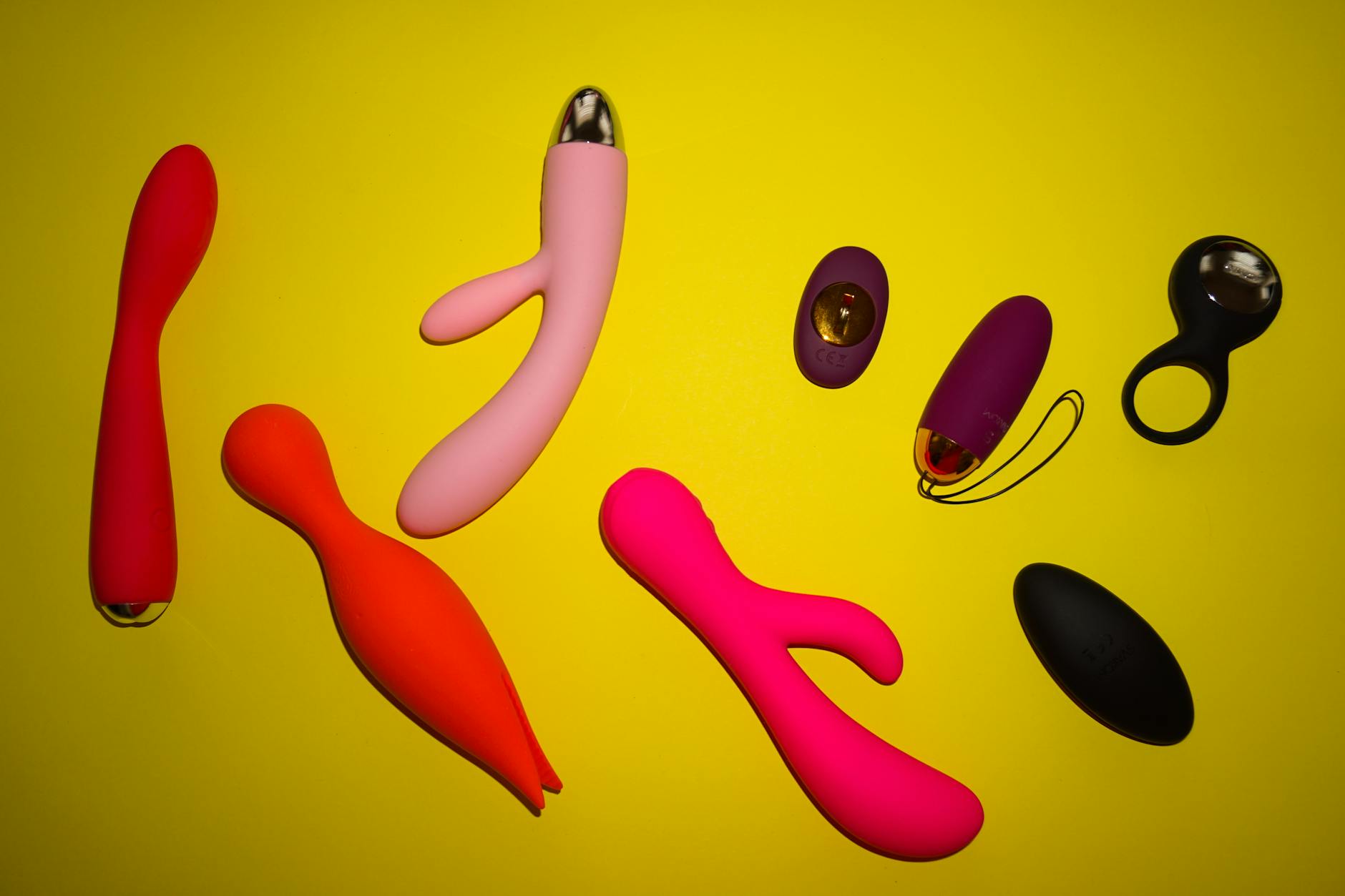
Let's name the problem first
You've been on the same medication for six months. Everything's fine except one thing. Orgasms take forever. Or they feel muted. Or they just... don't happen anymore. And you're wondering if it's in your head, if it's the relationship, if something's wrong with you.
It's probably none of those things. It's the medication.
About 40 percent of people on SSRIs experience some degree of sexual side effect. Beta-blockers for blood pressure can numb sensation. Some hormonal contraceptives shift your whole baseline for desire and response. This isn't rare. It's not weakness or a sign you need to switch partners. It's a known, documented, treatable side effect. And clitoral vibrators, particularly ones designed with suction technology like the Lem, are one of the most effective non-medication workarounds I see in my practice.
How medications actually interfere with pleasure
There are three main mechanisms at play, and understanding them helps you pick the right solution.
Serotonin dampening. SSRIs (Sertraline, Paroxetine, Fluoxetine) work by increasing available serotonin in your brain. They're brilliant for mood and anxiety. The side effect: serotonin also regulates orgasm initiation. More serotonin can paradoxically make climax harder to reach or less intense when it does happen. It's not that sensation is gone. It's that the signal chain from arousal to release got longer.
Vascular changes. Blood pressure medications, some antihistamines, and certain hormonal contraceptives reduce bloodflow to genital tissue. Arousal partly depends on blood rushing to the clitoris and vulva during stimulation. Less bloodflow means less engorgement, less swelling, less of that building pressure. Again, sensation doesn't disappear. It just arrives slower and softer.
Hormonal rebalancing. Hormonal birth control suppresses the luteinizing hormone surge that naturally happens mid-cycle. That surge is a big part of why some days feel wildly more responsive than others. On hormonal contraception, you lose that monthly wave. Some people adapt fine. Others feel like they've lost access to their most pleasure-responsive self.
The point: you're not broken. Your nervous system is working exactly as designed. The design just changed.
Why clitoral vibrators help when medication is the culprit
A good clitoral vibrator, especially one that uses suction stimulation rather than direct vibration, works around several of these barriers simultaneously.
Intensity that penetrates numbness. If serotonin is dampening your response, you need more targeted stimulation to trigger the chain of events that leads to orgasm. A traditional vibrator at low power might not be enough. Suction-based devices like the Lem work by creating a gentle seal and micro-pulses that stimulate the entire clitoral network. That intensity cuts through the fog in a way that manual stimulation alone often can't.
Consistency that compensates for vascular lag. When bloodflow is reduced, arousal can feel irregular. Some days it builds. Other days you feel stuck. A vibrator applies the same pattern, the same pressure, the same frequency repeatedly. You're not chasing a moving target. You're giving your body a reliable rhythm to work with. Many people find that after 5-10 minutes of consistent stimulation, the bloodflow catches up and sensation suddenly intensifies.
Removing performance pressure. Here's the thing nobody talks about: when you're on medication that makes orgasm hard, you start bracing for failure before you even start. That tension, that anxiety, makes everything harder. Using a lemon vibrator removes the guesswork. You're not depending on manual stimulation that might or might not work. You're using a tool specifically designed to amplify sensation. That shift in mindset alone changes the outcome.
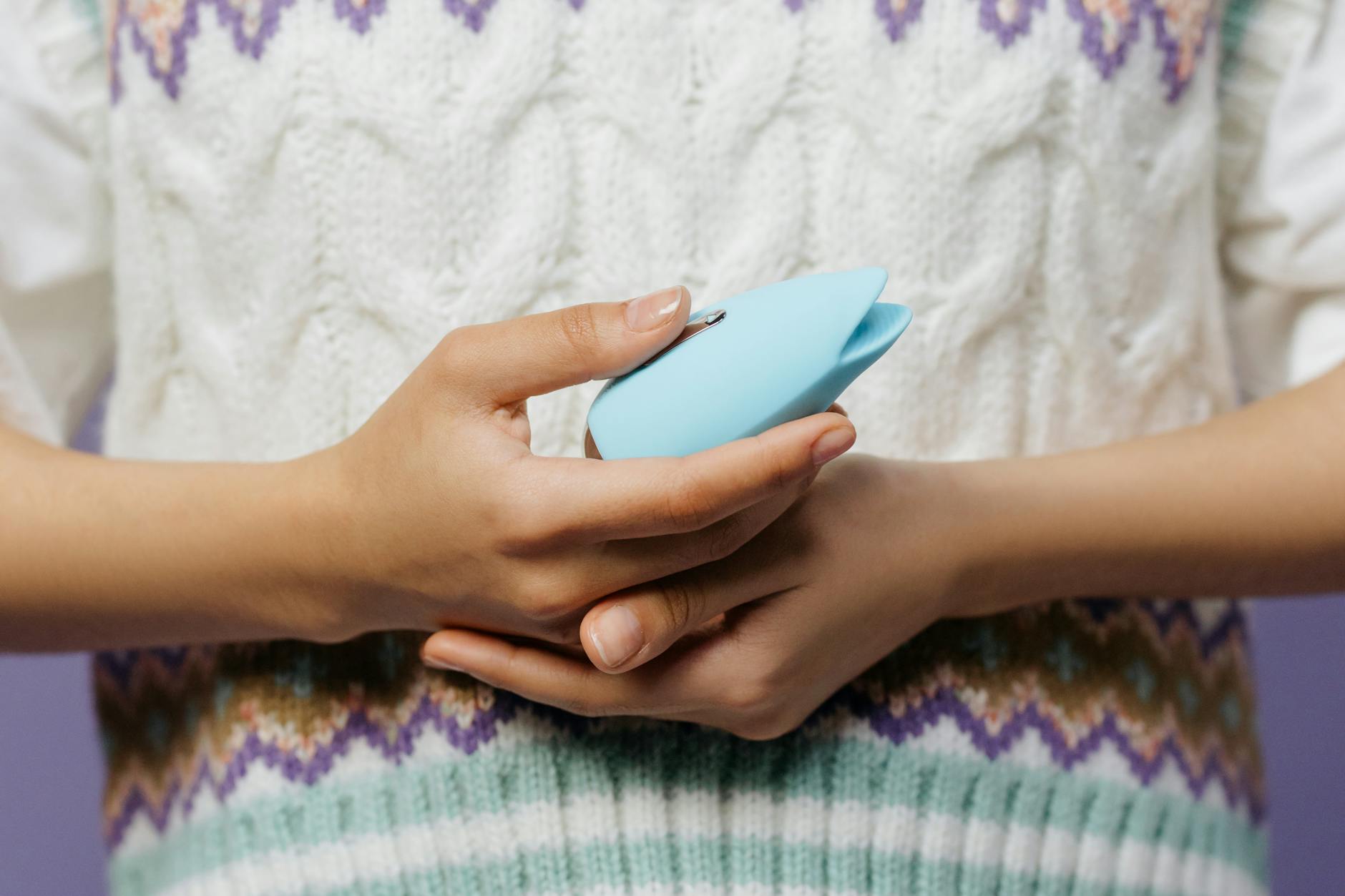
Photo by cottonbro studio on Pexels
The practical starting framework
If you're new to clitoral vibrators and you're dealing with medication side effects, here's how I guide people through it.
Start with pattern 1 or 2. You might think you need maximum power. You don't. The Lem's lowest settings actually allow your nervous system to build arousal gradually. On SSRIs especially, rushing intensity can backfire. Low intensity over longer time actually trains your brain and body to recognize arousal and follow it through.
Plan 15 to 25 minutes. This is longer than you might be used to. That's not a sign something's wrong. It's evidence that your medication is working on your mood, and you're using the right approach. If you expected instant results, you'll bail at minute 6. Set a different expectation.
Use lubricant even if you don't think you need it. Medication side effects often include reduced natural lubrication. Adding a water-based lube isn't a concession. It's part of the setup. It reduces friction, increases sensation quality, and actually helps the suction mechanism work more effectively.
Explore solo first. I don't say this to isolate you from a partner. I say it because you need to know what your body is capable of right now, without performance pressure or someone else's timeline. Once you've found what works when you're alone, adding a partner back into the equation becomes a conversation instead of a struggle.
What to communicate with your doctor
Using a vibrator is a workaround, not a solution. If medication is affecting your pleasure, talk to your prescriber. You have options.
Timing adjustment. Some SSRIs hit your bloodstream differently depending on when you take them. Taking Sertraline in the morning instead of evening, for instance, might mean the peak concentration is lower during evening arousal. Small timing shifts sometimes help.
Dosage tweaks. Occasionally a slightly lower dose of SSRI maintains your mood benefit while reducing sexual side effects. This isn't always possible or ideal, but it's worth asking about.
Medication switching. Not all SSRIs affect pleasure equally. Bupropion and mirtazapine often have fewer sexual side effects than Paroxetine. If your current medication is the best mood match but the pleasure cost is too high, your doctor can explore alternatives.
Adjunctive strategies. Some doctors prescribe something like Buspirone or Cialis to counteract SSRI sexual side effects. These aren't first-line moves, but they exist and they work for some people.
The key: your pleasure matters. It's not vain to bring this up. Sexual health is health. A good doctor takes it seriously.
When to pause and reassess
Using a lemon vibrator is helping most people within 3 to 4 weeks of consistent use. If you're exploring solo, trying different patterns, giving yourself time and patience, and you're still feeling nothing after a month, something else might be happening.
That could mean the medication dose is too high for your body. It could mean you need a different medication entirely. It could mean there's a secondary medication interaction you haven't noticed. It could also mean that psychological factors (relationship strain, stress, grief) are layering on top of the medication effect.
Any of those is worth discussing with your doctor or a therapist who specializes in sexual health. Clitoral vibrators are powerful tools, but they're not magic. They work best when they're part of a bigger conversation about your pleasure, your health, and what you need.
FAQ
Can I use a clitoral vibrator like the Lem if I'm also on blood pressure medication?
Yes. In fact, if blood pressure medication is reducing your sensation, a vibrator is particularly helpful. The key is not to substitute vibrator use for medical advice. If your blood pressure medication is affecting pleasure and you haven't discussed it with your doctor, do that first. Then layer in a vibrator as part of your solution. The two can coexist.
Does using a vibrator make it harder to orgasm without one later?
Not necessarily, though some people report that after using a vibrator, manual stimulation feels less intense by comparison. That's usually temporary. Your nervous system adapts to sensation levels over time. If you're concerned, alternate between vibrator and manual stimulation. The goal isn't vibrator dependence. It's pleasure restoration while medication is affecting your response.
What if my partner thinks using a vibrator means they're not enough?
This is a relationship conversation, not a vibrator problem. If your medication has genuinely affected your pleasure capacity, using a tool to restore sensation is about solving a medical issue, not rejecting your partner. Many couples find that bringing a vibrator into partnered sex actually improves things because there's less pressure and more variety. If your partner's insecurity is preventing you from addressing a real side effect, that's worth exploring with a couples therapist. Your pleasure matters. So does the relationship.
Do I need to switch medications to see results with a vibrator?
No. Many people see significant improvement in pleasure while staying on the same medication, simply by using a well-designed clitoral vibrator consistently. That said, if you've been on a medication for years and the sexual side effects are severe enough to affect your relationship or quality of life, it's absolutely worth asking your doctor if you have alternatives. The medication is helping you in one area. You deserve support in all areas.
How is a lemon sucker or lemon vibrator different from other clitoral vibrators for medication side effects?
Suction-based devices like the Lem work differently than traditional vibrators. Instead of direct buzzing on the clitoris, suction stimulates a broader area of the clitoral network through gentle pulses and micro-vacuums. For people dealing with medication dampening, this broader, more diffuse stimulation often penetrates the numbness better than concentrated vibration. It also tends to feel less intense initially, which helps with the anxiety piece.
If my SSRI is causing the problem, will switching to Bupropion fix it?
Often, yes, but not always. Bupropion has a lower rate of sexual side effects than SSRIs for many people. Some people switch and feel a dramatic difference. Others see modest improvement. It depends on your individual neurology and what's driving the side effect. Discuss it with your prescriber. This is exactly the kind of personalized medical decision that requires professional input.
Can I use a lemon clitoral vibrator if I also have reduced libido from my medication?
Absolutely. In fact, reduced libido and reduced sensation are often paired when medication is the cause. A vibrator is particularly useful here because it doesn't require you to feel desire first. You activate the tool, give your body consistent stimulation, and often desire and sensation follow. You're not waiting for motivation. You're jumpstarting the system.
The bottom line
Medication side effects on pleasure are real, common, and addressable. Whether that means talking with your doctor about timing or dosage adjustments, exploring medication alternatives, or using a tool like a clitoral vibrator to restore sensation, you have options. The worst thing you can do is accept it as permanent and stop trying.
I've worked with hundreds of people navigating this exact problem. The ones who do best are the ones who name the issue, explore solutions without shame, and give themselves patience. Your pleasure matters. It's worth the effort.