Here's what nobody tells you about aging and lubrication
Your body's ability to produce natural lubrication changes over time. That's not a flaw. That's not a sign that pleasure is ending. It's a fact that most sex education skips entirely, which means when it happens, people assume something is wrong instead of just different.
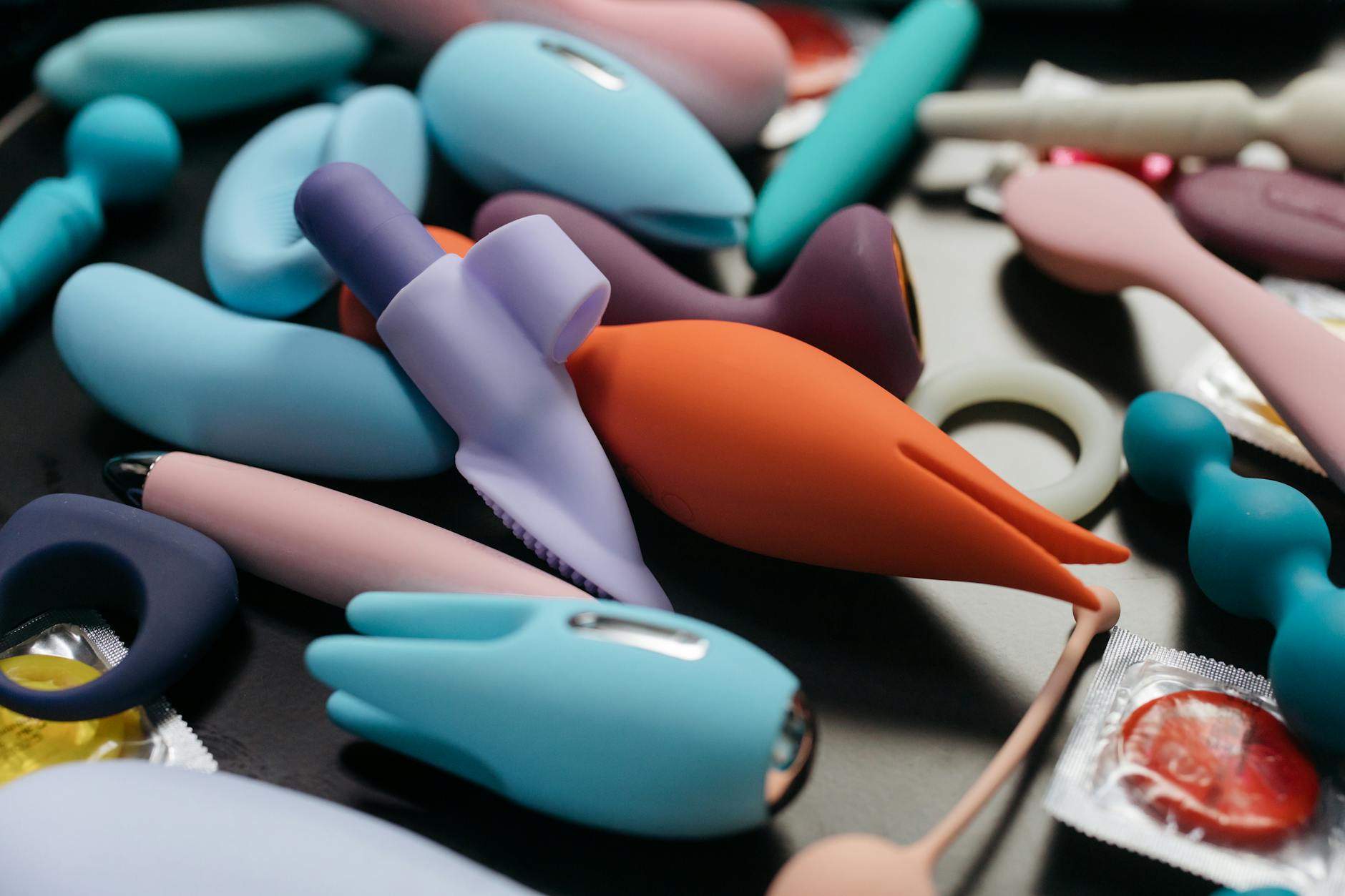
The good news: you don't need to accept decreased pleasure. You need to understand what changed and adjust your tools. A lemon clitoral vibrator, in particular, works brilliantly once you know how to use it differently.
Why lubrication decreases as we age
Three things happen simultaneously over decades.
First, hormone levels shift gradually. Estrogen declines (whether from menopause or slow aging), and estrogen directly influences how much fluid the vaginal tissue produces. Less estrogen means less of the chemical signals that trigger lubrication glands to activate. This usually accelerates around perimenopause but often starts in the late 30s and 40s.
Second, the vaginal tissue itself changes texture and thickness. This might sound concerning, but here's the reality: thinner tissue doesn't mean less sensitive. It often means differently sensitive. Some people find sensation sharper or more localized. Others need slightly longer warm-up time to reach the same arousal state they used to hit faster.
Third, medications can suppress natural lubrication. Antihistamines, blood pressure meds, antidepressants, and even some birth control pills can dry things out. If you started a new medication and noticed a change, that's worth flagging to your doctor. Sometimes switching a med or adjusting the dose helps. Sometimes it doesn't, and you adapt your ritual instead.
What decreased lubrication actually means for sensation
Here's the part people get wrong: less lubrication doesn't mean less nerve sensation. It means the type of friction changes.
When there's abundant natural lubrication, a toy's movement feels gliding and continuous. When lubrication decreases, friction increases slightly. This can make sensation feel more intense, more focused, or sometimes uncomfortably sharp depending on toy choice and speed.
This is why a lemon vibrator's design matters more as you age. A lemon clitoral vibrator uses suction and gentle pulsing rather than friction-based vibration. That matters because suction stimulates nerves without the same mechanical rubbing that can feel irritating on thinner tissue. The toy cups over the clitoris and creates a gentle sucking sensation that works beautifully with decreased lubrication.
Compare that to a traditional vibrator, which moves rapidly across the clitoral surface. On very lubricated tissue, that glides easily. On less lubricated tissue, it can feel abrasive, which is why so many people find that toys that felt perfect at 28 feel uncomfortable at 48.
The exact adjustments that change everything
Four specific shifts make using a lemon clitoral vibrator easier and more pleasurable as lubrication decreases.
Use external lubrication intentionally. Water-based lube isn't a sign of failure. It's a tool. Add it generously before you start, and reapply halfway through. Silicone-based lubes create a richer, longer-lasting glide, but they degrade silicone toys over time. Stick to water-based. The best ones feel natural and reduce friction without creating that "slippery" sensation some people dislike.
Start at lower intensity. A lemon vibrator typically has five or six suction settings. Begin at level one or two. Give yourself ten to fifteen minutes of warm-up before increasing intensity. Lower intensity with longer warm-up produces more consistent arousal than jumping straight to the highest setting. Your nervous system needs time to build momentum.
Angle matters more now. As tissue changes, the sweet spot for stimulation sometimes shifts. Experiment with slight angle adjustments. Some people find direct contact on the clitoral head more comfortable with less lubrication. Others prefer approaching from the side. There's no correct angle, only what works for your body right now.
Extend foreplay significantly. Arousal takes longer to build when lubrication decreases because the physical process of tissue swelling and blood flow takes more time. Budget twenty to thirty minutes of foreplay instead of ten. This includes mental foreplay, touch, anticipation. The more your nervous system warms up, the more natural lubrication your body produces.
When to use lube every time versus sometimes
Some people use lube only occasionally when they need it. Others use it every time. Neither is right or wrong. Here's how to decide.
If you're regularly experiencing discomfort, dryness, or friction that feels unpleasant, use lube every session. There's no prize for "toughing it out." Discomfort reduces arousal, which reduces natural lubrication further, creating a frustrating cycle.
If you produce some natural lubrication but it's decreased from before, you might use lube sometimes and not others. Pay attention to patterns. Some people find that lube feels necessary certain times of month, during stress, or with certain partners. Others discover they prefer using lube even when natural lubrication would technically be sufficient, because it changes the sensation in a way they like.
If you're uncertain whether you need lube, the answer is: try using it and notice if sensation improves, stays the same, or feels less good. Your body's honest feedback beats any rule.
The role of overall health and lifestyle
Decreased lubrication isn't purely about aging. Several other factors make it worse or better.
Hydration matters more than people realize. If you're chronically dehydrated, all your mucus membranes dry out, including vaginal tissue. Drink water consistently throughout the day, not just before sex.
Stress and anxiety suppress lubrication because the nervous system prioritizes threat response over arousal. If you're managing high stress, that's directly affecting your body's ability to respond. Stress management isn't optional here, it's physiological.
Alcohol and caffeine in high amounts can increase dryness. This doesn't mean avoiding them, but if you notice a correlation, moderation helps.
Exercise increases blood flow to all tissues, including the clitoris and vagina, which improves natural lubrication over time. Regular cardio and pelvic floor exercises both help.
Pelvic floor tension actually reduces lubrication because the muscles controlling blood flow to the area are tight and restricted. Learning to consciously relax the pelvic floor, not just strengthen it, helps.
Talking to partners about lubrication changes
If you have a partner, they might notice the change before you do, or notice it and not mention it. That silence is usually fear, not indifference. Partners worry that mentioning decreased lubrication will hurt your feelings or signal that they're not attracted to you.
The clearest conversation is straightforward and unapologetic: "My body's natural lubrication has changed. It's totally normal and not a sign anything's wrong. Using lube helps me feel better, and I want to do that."
That removes shame and mystery. It's a logistics conversation, not an emotional one. Partners who care about your pleasure will feel relieved to have a solution.
If your partner resists using lube, that's information. It might mean they have outdated ideas about what "real" sex should look like, or they're embarrassed, or they don't understand that lube is about sensation, not necessity. A lemon clitoral vibrator is particularly helpful here because the suction sensation is so different from penetrative sex that it exists in its own category. It's not competing with anything. It's expanding the options.
When to seek professional input
Sometimes decreased lubrication signals something worth checking with a healthcare provider.
If lubrication decrease is sudden and dramatic, that warrants a conversation. Rapid changes can indicate medication side effects, hormonal imbalances, or infections that are treatable.
If dryness is accompanied by pain, itching, burning, or unusual discharge, get evaluated. These symptoms suggest something beyond normal aging, like genitourinary syndrome of menopause or an infection.
If you're on hormone therapy and experiencing persistent dryness anyway, talk to your prescriber about adjusting the dose or type. Not everyone responds to the same hormone regimen.
Most commonly, though, decreased lubrication with aging is normal physiology that responds beautifully to the adjustments above. A lemon clitoral vibrator, external lubrication, extended warm-up, and lower initial intensity solve it for most people.
The pleasure that comes after adjustment
Here's what I've seen repeatedly in my work with couples: once people stop fighting the change and start adapting to it, pleasure often gets better, not worse.
Some of that is practical. Lube creates different sensation that some people prefer. Lower intensity with longer foreplay changes the whole rhythm of intimacy in ways that feel deeper. A lemon vibrator's suction sensation is genuinely novel, even for people who've used vibrators for decades.
Some of it is psychological. Once you stop seeing decreased lubrication as a problem to hide and start seeing it as information to act on, the shame disappears. Shame is the actual pleasure killer. Lubrication changes are just logistics.
Since you've already adjusted one major thing about your sexual response, you're more likely to adjust other things too. You might experiment with timing, positions, temperature, breathing patterns. You might finally try that thing you were curious about. Adaptation breeds curiosity.
Decreased lubrication isn't the end of pleasure. It's often the beginning of a more intentional relationship with it.
People also ask
Can I use a lemon clitoral vibrator if I have very little natural lubrication?
Yes, easily. In fact, a lemon vibrator is an excellent choice specifically because suction doesn't require the same amount of lubrication as friction-based toys. Add water-based lube before starting, begin at low intensity, and allow extra warm-up time. Most people find lemon vibrators more comfortable than traditional vibrators when lubrication is low because the sensation is fundamentally different.
How much lube should I use with a lemon vibrator?
Start with a dime-sized amount and add more if you need it. Too little lube creates friction. Too much can reduce sensation by creating a slippery barrier. You're looking for enough that the toy glides easily but sensation stays clear. Different lubes have different viscosity, so you might need more of a thin water-based lube and less of a thicker one. Reapply halfway through if the session is longer than fifteen minutes.
Does using lube regularly make natural lubrication worse over time?
No. This is a common myth with no scientific backing. Using lube doesn't train your body to produce less natural lubrication. In fact, the opposite is often true: when lube reduces friction and discomfort, you're more likely to have sex or use toys more often, which increases blood flow to the area and can support natural lubrication over time. Use lube without guilt.
Should I see a doctor about decreased lubrication, or is it just normal aging?
If the decrease is gradual and manageable with the adjustments listed here, it's normal aging and doesn't require medical input. If it's sudden, severe, or accompanied by pain or other symptoms, see a healthcare provider to rule out medication side effects, infections, or hormonal issues. Many of these are easily treatable. There's no harm in checking.
Is decreased lubrication the same thing as menopause symptoms?
Not always. Lubrication can decrease gradually over decades without menopause ever happening. Menopause accelerates the process, but decreased lubrication starts earlier and continues afterward. The mechanisms are similar (hormonal changes and tissue changes), but they're not identical. Someone in their 40s with decreasing lubrication isn't necessarily approaching menopause. Someone in their 60s with the same change might be years past it.
Can I use a lemon vibrator solo if I'm too embarrassed to buy lube in person?
Yes. Water-based lube is available online for discreet delivery. But also: there's nothing embarrassing about lube. It's literally sold in every pharmacy and supermarket next to the condoms. It's as mundane as toothpaste. If you're buying lube and a lemon clitoral vibrator together online, you're buying health and pleasure supplies. That's healthy. The embarrassment is the only barrier here, and it's worth questioning why you feel it. You deserve pleasure without shame.
The bottom line
Decreased natural lubrication is part of how bodies change. It's not a problem to fix or a sign that pleasure is ending. It's information that tells you to adjust your approach.
A lemon clitoral vibrator, external lubrication, longer warm-up time, and lower initial intensity solve this for most people. Some people find that these adjustments actually improve sensation compared to what they experienced before.
If you're noticing changes, start with the adjustments above. If those aren't enough, talk to a healthcare provider. And if you're partnered, talk to your partner. Most of the suffering around this is silent suffering, which is completely avoidable.
Your pleasure matters. Changes don't erase that. They just mean you get to learn your body again, which, honestly, is its own kind of fun.
If you'd like help navigating these shifts in a relationship context, we're here. Get in touch.