Let's name the real problem
You want sex twice a week. Your partner wants it twice a month. Or vice versa. Neither of you is wrong. But the gap between your desires is turning into resentment, and neither of you knows how to fix it without feeling rejected or pressured. This is the loneliest part of being partnered.
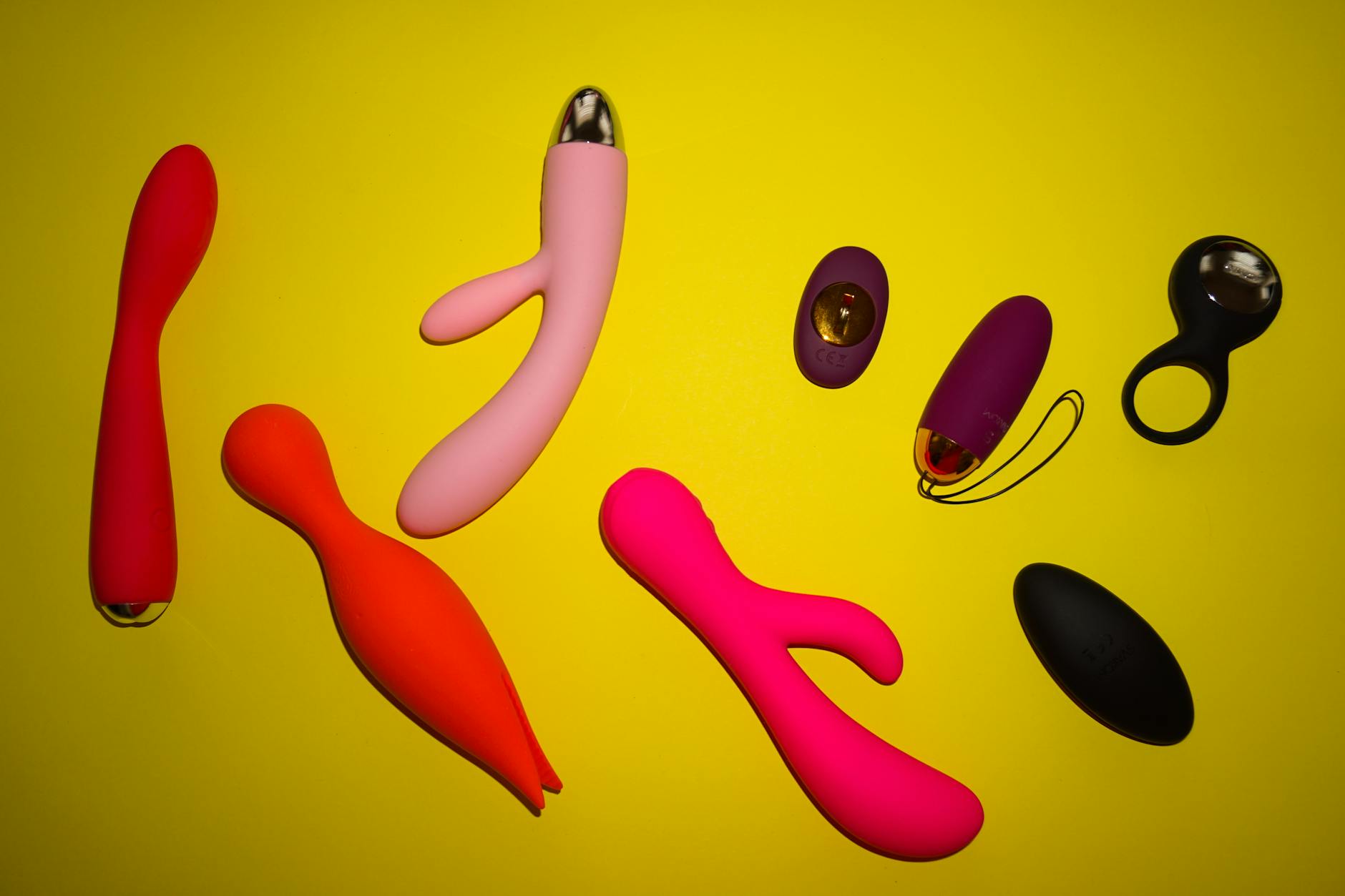
Here's what most couples do: the higher-desire partner waits and quietly resents. The lower-desire partner feels guilty and pulls away more. Nobody wins. A lemon clitoral vibrator doesn't solve the mismatch, but it does something almost as important. It lets you meet your own needs without making it about your partner's failure to want you.
Why desire mismatch feels different than it is
Your brain doesn't separate "my partner rejected me" from "my partner has a different body." Both read the same way to your nervous system. Neurobiologically, they land in almost identical places. One is about you. One isn't. Knowing the difference stops the spiral.
Libido differences come from medication, stress, hormones, relationship resentment, burnout, depression, attraction shifts, or just baseline wiring. Sometimes it's temporary. Sometimes it's not. Knowing which one you're dealing with matters for whether you're building a bridge or reckoning with incompatibility.
Most couples never have that conversation. They just feel the gap and assume it means something about love.
How a lemon vibrator fits into mismatched desire
When you use a lemon sexual toy solo, you're doing something revolutionary in a mismatch dynamic. You're saying "my pleasure doesn't require your participation." That sounds simple. It isn't. It's the opposite of the pressure many of us internalize about partnered sex being the "real" kind.
Using a lemon vibrator solo also does something subtle for your relationship. It removes desperation from the room. Desperation is what kills attraction fastest. When you're managing your own pleasure, you're also managing your own nervous system. A calmer, less resentful you is actually more attractive to a lower-desire partner than an anxious, frustrated you.
This isn't about tricking your partner into wanting you more. It's about stopping the cycle where your unmet need becomes their guilty obligation, which becomes less sex, which increases your need, which increases their guilt. A lemon clitoral vibrator breaks that loop.
The conversation you actually need to have
Before you use a lemon sucker, you need to tell your partner you're going to. Not as a threat or a statement. As information. "I've realized that waiting for sex on your schedule is making me frustrated, and I'm going to take care of myself. That's not about you. I want you to know."
This matters for two reasons. First, hiding it creates secrecy, which erodes trust in a way solo pleasure shouldn't. Second, naming it out loud gives your partner a chance to process it themselves instead of discovering it and spiraling into shame or inadequacy.
Lower-desire partners often feel guilty. They don't need you sneaking around. They need you taking care of yourself openly so they stop feeling responsible for your entire sexual wellbeing.
How to actually use it
Start with the basics. Set aside time that isn't stolen moments in the shower. Give yourself 20 to 30 minutes when you're not rushed or listening for your partner to come home. Your nervous system needs to know this is real time, not contraband time.
When you use a lemon clitoral vibrator solo, start lower than you think you need. Pattern 1 or 2 on the Lem lets you build sensation without jumping straight to intensity. This matters when you're using it partly to regulate yourself emotionally, not just to orgasm. You're rewiring your nervous system to associate solo pleasure with safety and calm, not just with getting off as fast as possible.
If your partner is home, tell them you're taking some time for yourself. Don't hide. Don't apologize. Normalize it the way you'd normalize taking a bath or going for a run. The more ordinary you make it, the less it becomes a wedge issue.
What this actually changes
Using a lemon adult toy when you're in a mismatched-libido relationship does three concrete things. First, it stabilizes your mood. You're no longer carrying unmet sexual need as constant background resentment. Second, it removes pressure from your partner. They're no longer the gatekeeper of your pleasure. Third, it gives you data. You learn what you actually like, what patterns work for you, what intensity you prefer. That information makes partnered sex better when it happens, because you know what you want.
Many couples who start with a desire mismatch find that once the higher-desire partner stops pursuing, the lower-desire partner actually initiates more. Not always. But often enough that it's worth trying. Pressure kills desire. Autonomy resurrects it.
If your partner isn't comfortable with it
Some people feel threatened by solo vibrator use. Usually it's not actually about the vibrator. It's about what they think it means. "Does this mean you don't want me?" "Am I not enough?" "Are you going to stop wanting to have sex with me?"
These are real fears wrapped in insecurity. They deserve actual answers, not reassurance theater. "I'm using this because I need sexual pleasure to stay emotionally stable in our relationship. This has nothing to do with how much I want you. It's about me taking care of myself."
Sometimes that conversation takes time. Sometimes it takes a therapist. Sometimes it takes your partner realizing that you're calmer, less resentful, and actually more present when you're not constantly managing unmet desire. Most people come around.
If they never come around, that's different data. That's about control, not about comfort. And that might be the real incompatibility you're actually dealing with.
The bridge between solo and partnered
Once you've established solo pleasure as normal and regular, something shifts. Using a lemon clitoral vibrator together becomes possible. Not as a substitute. As an addition. You can use it during partnered sex, or your partner can use it on you, or you use it while they focus on other parts of your body. The barrier softens.
Many lower-desire partners actually feel relief when their higher-desire partner has a toy. It takes the pressure off penetration or specific acts. It lets partnered sex be about connection instead of performance. A Lem vibrator in the bed becomes a tool for both of you, not just the person with the mismatch.
When the mismatch is actually a dealbreaker
Here's the part nobody wants to say. Sometimes desire mismatch doesn't bridge. Sometimes you're just incompatible. Using a lemon sexual toy solo is a good interim strategy. But it's not a permanent solution if one person wants sex twice a week and the other truly wants it twice a year, and nothing changes that.
If you're six months into using a vibrator and your resentment is the same, if your partner still refuses to talk about libido, if nothing shifts, that's information. That's when you need to talk to a couples therapist or actually consider whether this relationship serves you.
But most of the time, it's not that extreme. Most of the time, a clitoral vibrator plus an actual conversation plus time creates something workable. Not perfect. But workable.
People also ask
How often should I use a lemon vibrator if my partner doesn't want sex as often?
There's no rule. Use it when you need to. Some people use it twice a week. Some once a month. The point isn't frequency. It's that you're taking back agency over your own pleasure instead of waiting for your partner to want you. Listen to your body, not a schedule.
Will using a lemon clitoral vibrator make my partner want me less?
Usually the opposite. When you're no longer desperately pursuing sex, you're less resentful and more attractive. Pressure kills desire. Autonomy often restores it. Plus, lower-desire partners often report feeling relief when their partner takes care of their own sexual needs. The guilt decreases. Interest often follows.
Can we use a lemon sucker together if we have different libidos?
Absolutely. Using a toy together can actually take pressure off the lower-desire partner because it shifts focus from their body needing to do something specific. It becomes collaborative instead of transactional. Start by just mentioning it. "I'd like to try using this with you sometimes." No pressure. See what happens.
What if my partner feels threatened by my vibrator?
Talk directly. "This isn't about replacing you. This is about me managing my own pleasure so I'm not constantly frustrated." Sometimes people need to hear that solo pleasure isn't about rejecting them. Sometimes they need a therapist to process their insecurity. Both are valid. But don't let their fear make you small.
Is using a lemon adult toy a sign we should break up?
No. Mismatched libido is incredibly common. It's not automatically a dealbreaker. Using a vibrator solo is actually a sign you're trying to work with the mismatch instead of letting it destroy you. Give it time. Have the conversation. See if it shifts. If nothing changes in six months and you're miserable, that's different data.
How do I bring this up without making my partner feel bad?
Frame it as self-care, not criticism. "I realize I've been waiting for you to want sex on a schedule that doesn't match mine, and I'm going to start taking care of myself. I wanted you to know instead of finding out." That's information, not accusation. Most partners actually feel relief.