
When pleasure thresholds don't match, everything else gets harder
Let's be honest. You're probably here because one of you lights up at pattern 6 on the lemon vibrator while the other person feels like their nerves are being sanded with a wire brush at pattern 3. And you've both been pretending this is fine, which means nobody's actually fine.
This is one of the most common friction points in couples' pleasure, and it lives in almost complete silence. People talk about mismatched libido constantly. But mismatched sensation needs? That's the thing nobody admits out loud, even though it shapes the entire experience.
Here's what I see clinically. One partner has sensitive nerve endings that light up fast and hard. The other has fewer activated receptors, or thicker tissue, or a nervous system that needs sustained, stronger input to register pleasure. Neither is right. Both are real. And the moment one person starts performing enthusiasm for intensity they don't feel, or the other starts downregulating their own needs to match their partner's comfort threshold, you've both switched into accommodation mode. Pleasure stops. Resentment moves in.
A lemon clitoral vibrator becomes the solution precisely because it offers granular control. You're not negotiating a single sensation. You're each choosing your own.
Why sensation needs diverge (and why it's not a sign anything is wrong)
There are three main culprits here, and understanding which one applies to your situation changes how you approach the solution.
Neurological variation. Some people are born with higher tactile sensitivity. Their touch receptors fire more easily, their spinal cord processes sensation intensely, their brain's sensory cortex is wired hot. Others have naturally higher thresholds. Neither is better. It's like having different eyeglass prescriptions. You each need different magnification to see clearly.
Tissue differences. Skin thickness, tissue firmness, and genital anatomy vary widely. Someone with more delicate genital tissue might feel a pattern 3 vibration like someone else feels a pattern 5. Age, hormones, and past trauma also shift tissue sensitivity over time. Your partner isn't being dramatic. They're literally feeling something different.
Arousal speed mismatch. Early arousal requires gentler input. Your partner who needs 15 minutes of foreplay before any vibration feels good isn't being slow or reluctant. They're in stage-appropriate arousal. They're not ready for the intensity yet. Forcing them into stronger sensation before their nervous system is primed doesn't speed things up. It creates pain or numbness.
Most couples I work with are actually dealing with a combination of all three. That's why generic advice like "just find a compromise setting" has never worked for you.
The lemon vibrator approach for divergent sensation needs
Here's the framework that actually works.
Step 1: Map each person's sensation curve separately. Before you ever use the lemon vibrator together, use it alone. High-sensitivity partner, start at pattern 1 and move up until pattern 4 feels too much. That's your sweet spot range. Lower-sensitivity partner, start at pattern 2 and climb until pattern 6 stops feeling like enough. Note where pleasure peaks for each of you. Write it down if you're not sure. This takes the guesswork out of partnered use.
Step 2: Establish solo baseline pleasure. One of the gentlest interventions I recommend is having each person spend two or three solo sessions with the lemon vibrator at their optimal sensation level. No performance, no compromise, no audience. Just you and what actually feels good. This serves two purposes. First, it rewires your own nervous system to recognize and expect your true pleasure threshold. Second, it removes guilt or shame about "needing" something different. You've proven to yourself it's real and legitimate.
Step 3: Introduce the vibrator into partnered touch one person at a time. Don't jump straight to simultaneous use. Instead, lower-sensation partner uses the lemon vibrator on higher-sensation partner first. This creates a low-pressure entry point. The higher-sensitivity person gets their preferred intensity. The lower-sensitivity partner gets to learn how the lemon's specific patterns work and see their partner's genuine pleasure response. That visual and tactile feedback is often erotic in itself. Swap roles next time.
Step 4: Use pattern variation as a conversation tool. Because the Lem has seven distinct patterns, you now have a built-in language for intensity. "I'm at a 3 right now" becomes clearer than "lighter." You can shift patterns based on arousal stage instead of trying to find one mystical setting that works for both people forever. It won't. Arousal keeps moving.
Making space for divergent needs without resentment
The hardest part isn't the mechanics. It's the emotional layer.
Higher-sensation partners often feel embarrassed about needing "so much." They worry they're broken or that their partner finds them unattractive. Lower-sensation partners often feel pressured, like they're supposed to somehow want more intensity, and they're failing by not.
Neither story is true, and both need dismantling before the lemon vibrator can actually help.
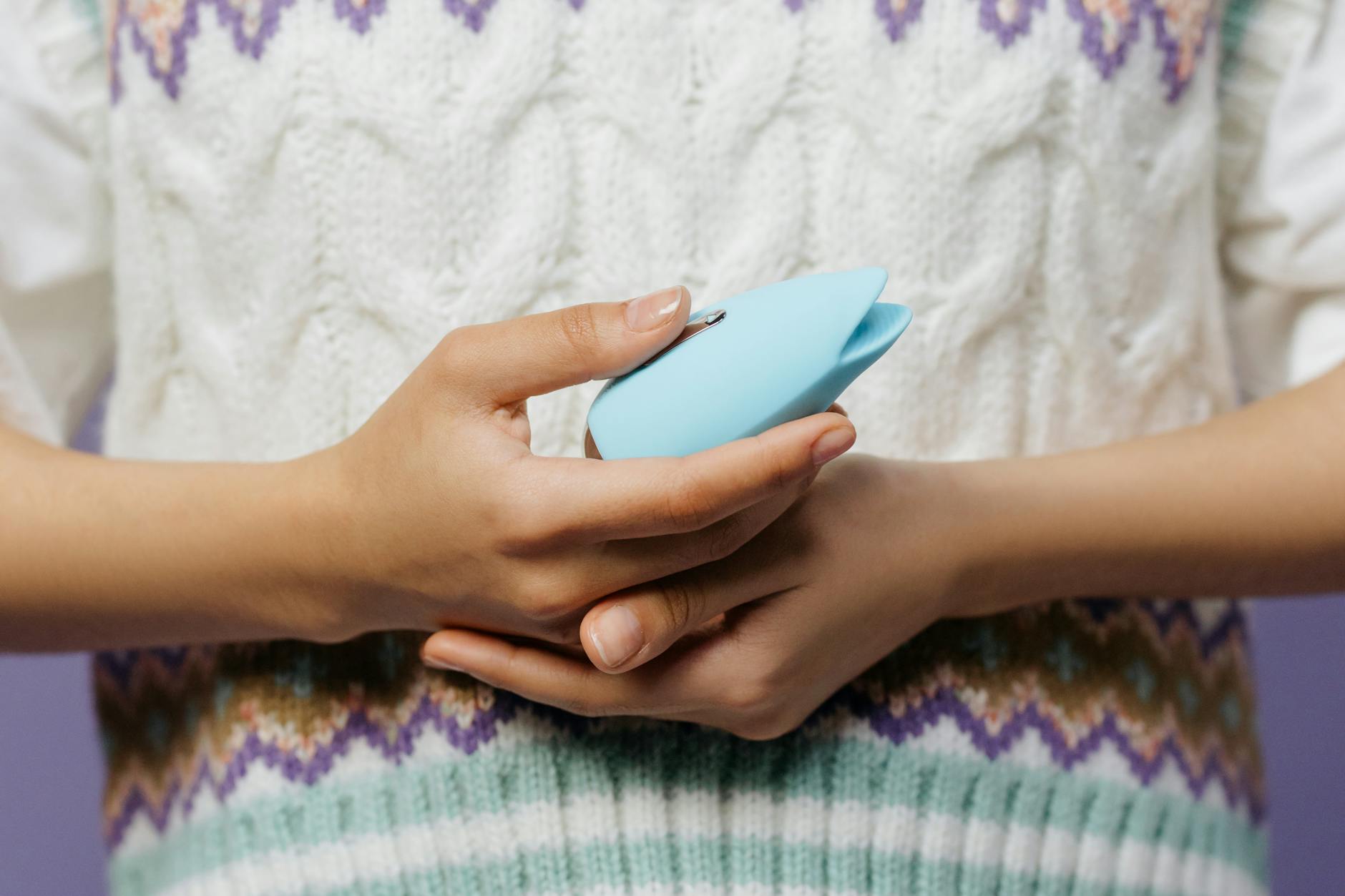
Photo by cottonbro studio on Pexels
Here's what I tell couples. Your nervous systems are not a problem to solve. They're information to work with. The person who needs pattern 5 and the person who peaks at pattern 2 are not incompatible. You just need tools that let each nervous system get what it needs without the other person having to compromise their own pleasure.
A lemon vibrator does that. It's impersonal enough that neither person feels like they're the problem. It's precise enough that neither person has to guess or accommodate. It's also calming for the lower-sensation partner to realize they don't have to somehow feel more in order to be good at sex. They feel what they feel. The vibrator meets them there.
How to introduce the conversation without shame
Don't lead with "We have a problem." Lead with curiosity.
"I've been reading about how differently people's bodies respond to sensation. I'm wondering if we've ever noticed that about ourselves. Like, what intensity actually feels best for you?" This frames it as biology, not failure. It opens the conversation from a place of discovery rather than criticism.
If your partner gets defensive, that usually means they've internalized shame about their needs. In that case, reassure them first. "I'm not saying anything is wrong with you. I'm saying I want to understand your body better. And I want you to get what actually feels good instead of what you think you're supposed to feel."
Then offer the lemon vibrator as a solution, not a test. "I was thinking we could each try this alone first, figure out what works for our own bodies, and then see how it changes things together. No pressure on either of us."
Most people respond to that because it removes the stakes. You're not trying to make your partner want something they don't. You're trying to let them have what they actually do want.
When one person needs stronger sensation mid-session
This is where couples often derail. Higher-sensation partner starts to need more intensity. Lower-sensation partner feels like they're not enough. Intensity cranks up. Lower-sensation partner zones out. Nobody actually finishes happy.
Preempt this by building pattern variation into the session itself. After 5-10 minutes at a shared intensity, ask if anyone wants to shift. "Want to go up?" "Ready to change patterns?" This is a check-in, not a negotiation. You're staying attuned instead of assuming static needs.
Alternatively, use the vibrator on both of you simultaneously at each person's preferred setting. Yes, that means the lemon vibrator might be at pattern 2 on one person and pattern 5 on the other. That's not a compromise. That's optimal. You're each getting exactly what you need while simultaneously having physical contact and mutual pleasure. This is actually more connected than both being at pattern 3 and neither being satisfied.
The solo practice that actually matters
If you take nothing else from this, take this: each person practicing solo with their lemon vibrator weekly rewires your coupled pleasure more than anything else.
When you come to partnered sex knowing exactly what your body needs, you stop performing and start receiving. You stop wondering if you're broken and start knowing you're just different. Your partner stops trying to guess and starts trusting what you tell them. The entire dynamic shifts.
That clarity is what makes the lemon vibrator so effective for mismatched sensation needs. It's not the vibrator itself. It's what the vibrator teaches you about yourself, and what you bring back to your partner from that knowledge.
People also ask
Can two people with very different sensation needs use the same lemon vibrator?
Yes, as long as you're willing to pass it back and forth or alternate who uses it in a given session. The real work isn't about one object. It's about each partner getting their own optimal intensity sometime during sex. That might mean the Lem moves between you every five minutes, or you each use it during different phases of arousal. What matters is that both nervous systems get met.
What if my partner thinks I need "too much" intensity and makes me feel bad about it?
That's a relationship conversation that goes beyond sensation needs. If your partner is shaming your body or your pleasure, the vibrator won't fix that. You'd benefit from working with a couples therapist or marriage coach who can help you both understand that different sensation needs are not a character flaw or a rejection. They're just biology. If your partner refuses to accept that, that's information about the relationship, not about your body.
How do I know if my low sensation needs mean I'm not attracted to my partner?
You don't, and you shouldn't assume they do. Attraction and sensation sensitivity are completely independent. You can be wildly attracted to someone and still need gentler touch. You can have low desire for someone's touch and still have high sensation sensitivity. They're different wiring. If you're worried about attraction, talk about that directly. "Do you feel attracted to me?" is a separate question from "What intensity of vibration feels good?"
Is it normal for sensation needs to change over time in a relationship?
Completely normal. Stress, hormones, age, medications, and relationship dynamics all shift sensation sensitivity. So does arousal history. The person who needed pattern 6 two years ago might genuinely peak at pattern 3 now. This isn't a betrayal or a sign something is ending. It's just how nervous systems work. Regular check-ins help you stay attuned instead of assuming needs are static.
Can a lemon clitoral vibrator help us stop resenting each other's needs?
Partially, yes. The vibrator removes the performance pressure and the guesswork. But resentment usually has a psychological layer that goes deeper. If you've spent years feeling like your partner doesn't want you, or feeling pressured to want more than you do, that hurt needs acknowledgment first. The lemon vibrator helps the present and future. Therapy or honest conversation helps the past.
What if my partner won't use a vibrator at all?
That's a separate boundary conversation. If your partner avoids toys, there might be shame, past trauma, or discomfort around sexual tools that needs exploring. Start with curiosity instead of pressure. "What worries you about using a vibrator?" Often people discover it's not the vibrator itself but a story they've internalized about what it means. Reframing it as a tool for pleasure, not a replacement or a judgment, sometimes shifts things. But you can't force comfort. That's something they have to move toward in their own time.
The deeper truth about sensation mismatch
Mismatched sensation needs are not a gap to bridge. They're an invitation to stop performing for each other and start receiving what actually works.
You've probably spent months or years trying to split the difference. Meeting in the middle. Compromising on intensity. Hoping that if you just find the right setting, both of you will suddenly want the same thing.
You won't. And that's not the goal.
The goal is for each of you to get exactly what your nervous system needs, in the same session, at the same time. A lemon vibrator makes that possible because it gives you precision and control. No more guessing. No more performing. Just two people with different sensation thresholds, both getting optimal pleasure.
That's not compromise. That's actually attunement.
Ready to explore what your body actually wants? Start with a solo session and <a href="/contact">reach out if you need support navigating this conversation with your partner</a>.