Pleasure after trauma isn't automatic, and that's okay
Let's be real. One of the most disorienting parts of sexual trauma recovery is the moment when you realize your body doesn't work the way it used to. Maybe you want desire to return. Maybe you're ready to feel good again. And maybe nothing happens. Or something does happen, but it's tangled up with flash-backs, numbness, or a sense of performance that doesn't feel like your own.
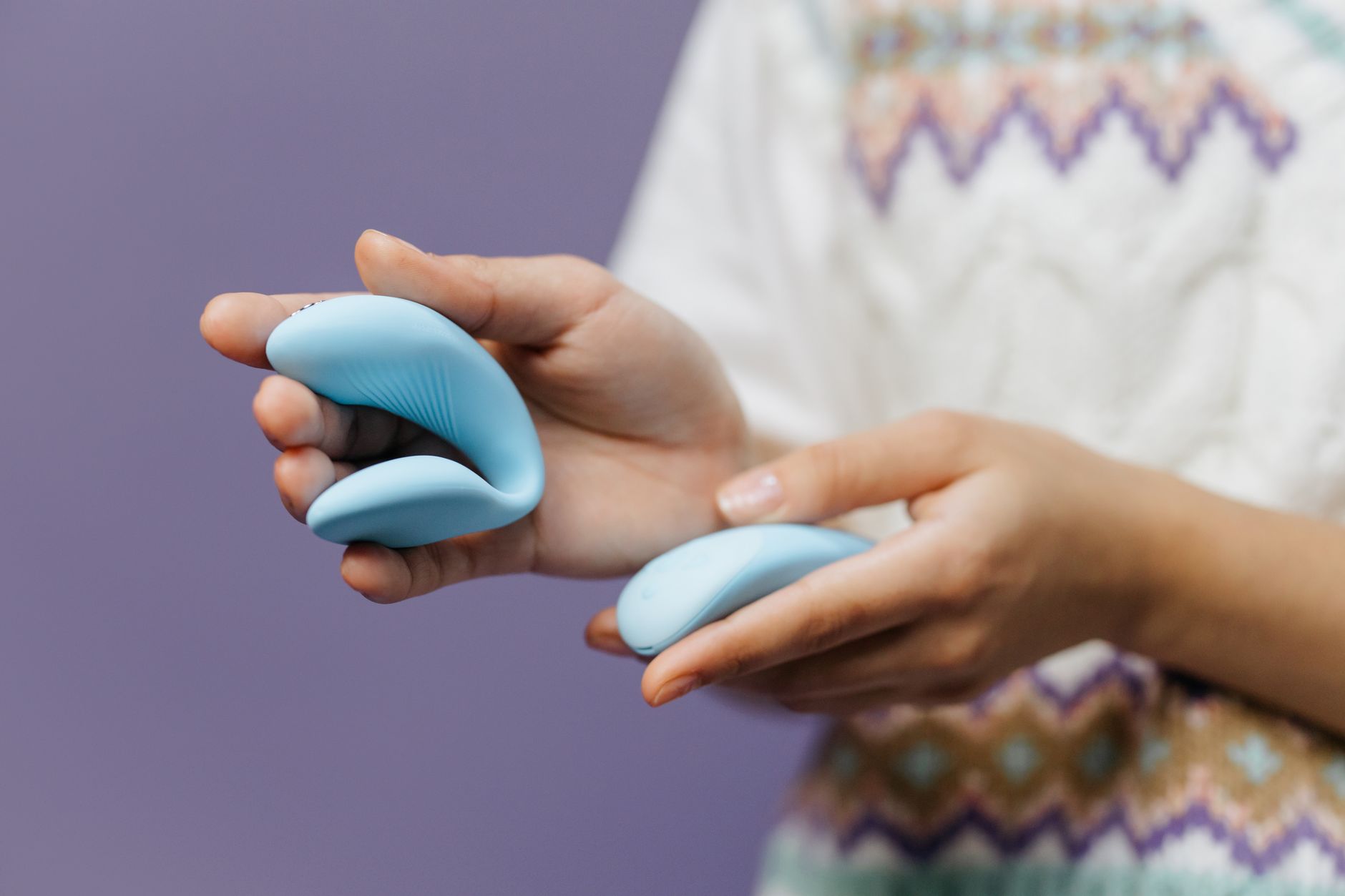
That's not a failure. It's actually the most common place survivors land. And there's a reason lemon clitoral vibrators like the Lem become part of so many healing journeys. They offer something critical: control.
Why control matters more than intensity
Sexual trauma often takes away agency. Someone else's hands, someone else's pace, someone else's agenda. Rebuilding pleasure means reclaiming all three of those things. This is where a lemon sucker vibrator becomes genuinely different from partner-based touch or even traditional vibrators.
With a device like the Lem, you control the intensity. You control when it stops. You control whether you go slower tomorrow than today. There's no negotiation, no performance pressure, no watching someone else's face.
The suction technology itself is also gentler than direct vibration in ways that matter during healing. It stimulates without feeling intrusive. The sensation is more diffuse, more about activation than percussion. For many survivors, that difference between pressure and suction is the difference between reclaiming pleasure and just going through motions.
Neuro-scientifically, trauma rewires how your nervous system reads touch. A vibrator you control helps rebuild the neural pathway between sensation and safety. Each time you use it at your pace, you're literally re-teaching your brain that touch can lead somewhere good.
Start absurdly small
I mean this. Your first session with a lemon vibrator during trauma recovery should feel laughably gentle.
Begin with pattern one on the Lem, for 30 seconds. That's it. Not because anything is wrong with you. Because your body's threat detection is working overtime, and nervous system healing happens through graduated exposure, not heroic effort.
Many survivors find that just holding the Lem—turned off—for a few sessions matters first. Let your hand know what it feels like. Let your brain register "this is an object I chose." Then turn it on the lowest setting, on your arm, away from your genitals. Get used to the hum.
Only when that feels neutral—not good, just neutral—move to your inner thigh. Then outer vulva. Then closer. There's no timeline here. I've worked with clients who spent two weeks just acclimating before ever using their lemon clitoral vibrator on the intended area.
This isn't slow. It's smart. You're building a new map of "touch equals safety." That takes time.
Set micro-boundaries before you start
Decide three things beforehand, every time.
First, how long. I recommend five minutes maximum for the first month. Not because five minutes is magic, but because knowing you'll stop in five minutes gives your nervous system permission to relax. You're not open-ended. You're bounded.
Second, where. Decide whether today is outside-only or if you're comfortable moving inward. Write it down if that helps. The decision before touch begins—not during—is crucial.
Third, what you'll do if you feel flooded. Maybe it's removing the device. Maybe it's switching to a lower pattern. Maybe it's stopping entirely. Know your exit before you need it. That knowledge alone often makes going deeper feel possible.
Many trauma survivors find that having a journal nearby helps too. Not to analyze, but to note: "pattern 2 felt okay today" or "lower setting tomorrow." You're building evidence that your body is responding, changing, healing.
Understand numbness as information, not failure
A lot of survivors experience anhedonia—the inability to feel pleasure—as a symptom of trauma recovery. You might use your lemon vibrator and feel almost nothing. You might feel something, but it doesn't escalate toward orgasm the way you expect.
That's not the vibrator failing. That's your nervous system managing a threat it perceived. Healing from sexual trauma often means pleasure returns sideways, not directly.
Some clients report that the first sensation they feel isn't orgasmic at all. It's just... noticing their own breath. Or awareness of a specific muscle relaxing. Or neutrality where there used to be dread. These aren't small things. These are proof that your body is beginning to trust sensation again.
If you're working with a trauma-informed therapist, talking through these moments matters. Numbness doesn't mean the Lem isn't working. It means your recovery is still processing, and the device is creating the safe container for that processing to happen.
Partner presence: when and how
Some survivors want to rebuild solo first. Some want a partner nearby. Some want partnership involved from the start. All of those are valid.
If a partner is present, clarity about their role is everything. They are not directing. They are not watching unless you've explicitly said yes. They are nearby, maybe doing something else, available if you need presence but not touch.
For partners wondering how to help: the sexiest thing you can do is create space and respect the boundary. Leave the room. Be in the room but reading. Let your person know you're proud, that you're not going anywhere, and then step back.
Some survivors find it grounding to have a partner's hand on their shoulder or back, entirely non-sexually, while they explore with the lemon clitoral vibrator solo. This isn't about arousing your partner. It's about your nervous system registering "I am safe because this person I trust is close." That's healing.
What you might actually feel, and when
First month typically: some people feel nothing, some people feel buzzing, some people feel vague warmth. All normal.
Months two to four: sensation often becomes more localized. You might start noticing that pattern 2 registers differently than pattern 1. Your clitoris might begin responding with slight swelling. This is good data.
Months five plus: pleasure often starts showing up sideways. Maybe it's not orgasm. Maybe it's a sense of aliveness you haven't felt since before the trauma. Maybe it's your body feeling like it belongs to you again in a specific moment. That's where the real healing lives.
Orgasm might return. It might not look the same as before. It might be gentler, shorter, less intense. That's not a loss. That's your body's new normal, and it's worth honoring rather than fighting.
Somatic safety signals matter more than technique
There's a ton of advice out there about positioning, stroking patterns, and arousal trajectory. That's useful information for someone rebuilding from a baseline of safety. For trauma recovery, the technique is secondary.
What matters: Do you feel able to stop anytime? Can you slow down without explaining why? Does your body know that this is your time, your pace, your choice?
If the answer to any of those is no, you're not yet ready for the lemon clitoral vibrator step. Go back to acclimation. There's no shame in that. The Lem and Hello Nancy's other clitoral vibrators will be there when your nervous system is ready.
One thing I notice across clients rebuilding after trauma: once they feel that control, something shifts internally. Not immediately. But gradually. The vibrator becomes evidence. Proof that pleasure can exist on their own terms. That their body can respond without shame. That healing is happening.
When to pause, when to keep going
If flashbacks increase, pause. Go back to acclimation. Talk to your trauma therapist.
If numbness plateaus for more than four weeks without any movement, that might signal you need additional support. A trauma-informed pelvic floor therapist or sex therapist could help.
If pleasure starts showing up—even tiny bits—keep going. You're literally rewiring your nervous system. That deserves patience and celebration.
Many survivors find that using a lemon vibrator becomes a ritual of reclamation. Not performance. Not obligation. Just: this is my time, this is my body, this is what I choose. That shift from "do I have to" to "I get to" is where real healing lives.
Frequently asked questions
Can I use a lemon vibrator if I still have flashbacks during sex?
Yes, but with intention. Having flashbacks doesn't mean you're broken or moving too fast. It means your nervous system is processing. If flashbacks happen, pause, ground yourself (feet on floor, hands on something cold), and decide whether to continue gently or stop entirely. That decision is yours. The Lem's suction technology can actually feel less triggering than partner touch because it's consistent and you control it fully.
What if I can't reach orgasm even after months of using the lemon clitoral vibrator?
Orgasm isn't the goal during trauma recovery. Reclaiming sensation, safety, and your own pleasure on your terms is the goal. Some survivors' bodies take longer to reach orgasm after trauma. Some find that pleasure returns in different ways. Both are healing. If you want clinical support speeding this up, a trauma-informed sex therapist can help assess whether additional nervous system work would help.
Is it normal to feel nothing the first time I use the Lem?
Completely normal. Your nervous system might still be in protection mode. Numbness is a common trauma response. Using the lemon vibrator on the lowest setting, for short periods, gradually teaches your body that sensation is safe. Many people don't feel much until week three or four. That's the healing process working.
Should my partner be involved when I'm rebuilding pleasure after trauma?
That's your call. Some survivors heal faster with partner support. Some need to rebuild solo first. Some find that having a trusted partner nearby—not touching, not watching, just present—helps them feel safe. Talk to your partner about what you need, not what they want. Their job is to support your healing, not participate in it.
Can lemon vibrators help with dissociation during sex?
Many survivors find that the Lem's suction sensation actually grounds them. It's tactile, consistent, and you control it, which keeps you in the present moment. Some use it specifically to anchor themselves back into their body when dissociation starts. Others find it helps to use the vibrator solo first, so your brain learns that sensation equals safety before bringing it into partnered contexts.
What if using the lemon clitoral vibrator brings up emotions like sadness or anger?
That's healing. Your nervous system is processing. Emotions sometimes show up when we start feeling safe enough to feel things. If it becomes overwhelming, stop, ground yourself, and reach out to your therapist. You're not doing anything wrong.
Your healing isn't linear, and that's the whole point
Reclaiming pleasure after sexual trauma is one of the most courageous things you can do. It's not about reaching some fixed destination. It's about gradually teaching your body and nervous system that sensation, your body, and pleasure can all be yours again.
A lemon vibrator—specifically one designed for clitoral stimulation like the Lem—becomes a tool of that reclamation because it gives you what trauma took: control. Your pace. Your pause button. Your choice.
If you're in this journey, you deserve support. A trauma-informed therapist, a pelvic floor specialist, a trusted partner, a community of other survivors. And yes, sometimes a thoughtfully-used clitoral vibrator. All of those together become permission. Permission to heal on your timeline. Permission to feel good again. Permission to own your own pleasure.
That's not a small thing. That's everything.