Here's what nobody tells you before it happens
Postpartum recovery isn't just about bleeding stopping or your uterus shrinking back down. It's about a body that's been through something profound, and pleasure is part of that recovery conversation. Most people don't talk about it because it feels unsexy or irrelevant when you're running on four hours of sleep. But it matters. Reclaiming pleasure, on your own terms, is part of reclaiming yourself.
Let's be real: your clitoris didn't go anywhere. But the pathway back to it might feel longer now. The good news? That's completely normal, and it's fixable.
What actually changes after birth
Your vulva swells during pregnancy. During labor, whether vaginal or cesarean, your pelvic floor gets stretched, bruised, or surgically interrupted. Tissue heals, but healing isn't instant, and sensation comes back in stages.
Here's the timeline most people experience: the first six weeks, touching anything down there feels like a bad idea. Weeks six through twelve, you might feel ready to try, but sensation is muted. Some people describe it as "going numb" or "like it's not quite mine yet." This is tissue healing. By three to four months, things usually feel closer to normal, though postpartum bodies often have new baselines. Some people find they're more sensitive than before. Others find they need more stimulation.
There's also the hormone piece. If you're breastfeeding, prolactin suppresses estrogen. Lower estrogen means thinner tissue in your vulva, less natural lubrication, and sometimes lower desire. This isn't depression or a relationship problem. It's biology. It reverses when you stop breastfeeding or when your cycle returns.
Why a lemon vibrator makes sense for postpartum recovery
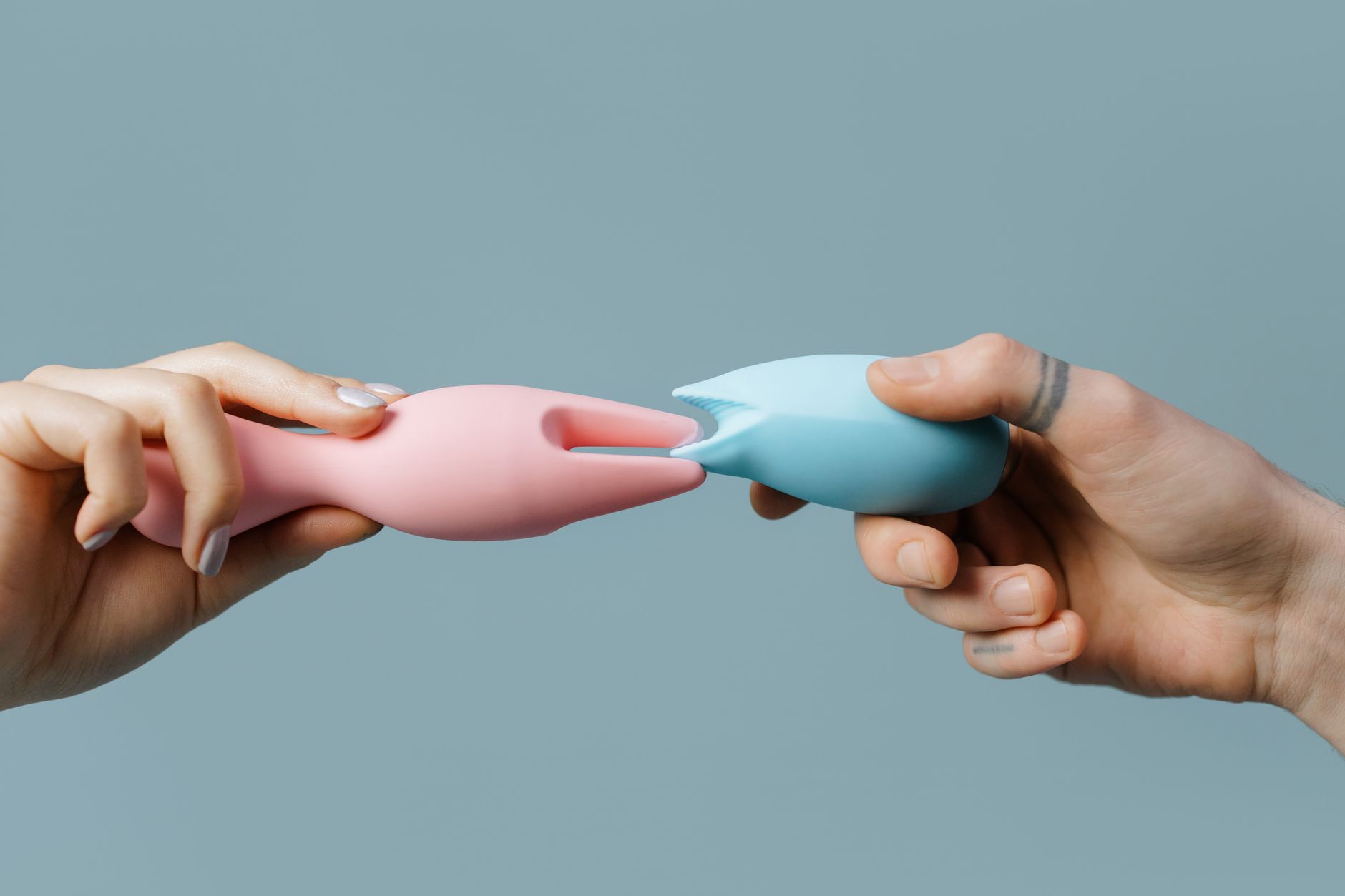
When sensation is muted, clitoral vibrators like the Lem offer something specific: rhythmic suction that doesn't require direct friction on sensitive healing tissue. You can start with lower intensity and work up. You can use it without penetration. You can take as long as you need.
The Lem's design is particularly useful here because you control the pressure. You're not relying on someone else's rhythm or intuition. That matters when your body feels unfamiliar to you.
If you're healing from an episiotomy or tearing, direct friction can feel raw. A lemon clitoral vibrator offers enough stimulation that you don't need to push your healing tissue. Some people also find that the sensation of suction feels less invasive while they're rebuilding their relationship with their own body.
The actual timeline for using a lemon vibrator again
If you had a vaginal delivery: wait until your bleeding has fully stopped and any tears or stitches are healed. Your OB will clear you at your six-week checkup. That clearance is medical permission, not readiness. Real readiness might come later.
If you had a cesarean: you're healing from surgery. Wait past six weeks. Eight to ten weeks is more realistic for most people. Your incision is healed, but abdominal tissue and pelvic floor muscles are still knitting themselves back together.
Start small. Don't expect the same experience you had before. Use a lemon vibrator on the lowest settings for short periods. Five minutes is plenty. You're not trying to reach an orgasm. You're checking in with your body, waking up nerve endings, building confidence.
The practical setup that works
Four things make this easier:
Use plenty of lube. Postpartum tissue is drier than before, especially if you're nursing. Water-based lubricant isn't optional. It's necessary. It reduces friction on healing skin and makes everything feel better.
Pick a time when you're alone and not touched-out. If you're the primary caregiver or nursing parent, you might be in physical contact all day. Reclaiming pleasure means choosing a time when your body feels like it's yours, not someone else's. That might be Saturday morning after your partner takes the baby for two hours.
Don't combine this with partner sex yet. Rebuilding solo pleasure comes first. It's easier to understand what your body needs when you're not managing someone else's arousal at the same time.
Keep expectations low. You might not come. That's fine. You might feel disconnected from the experience. That's also fine. You're relearning, not performing.
Why postpartum bodies sometimes feel numb
There are three reasons this happens, and they're all solvable.
The first is tissue damage. If you had significant tearing or an episiotomy, nerve endings are literally healing. This takes months, not weeks. As tissue repairs, sensation gradually returns.
The second is hormones. If you're postpartum and breastfeeding, prolactin is suppressing estrogen. This isn't wrong or permanent. It's what your body does while you're nursing. Some people see improvement when they introduce any formula feeding, which reduces nursing frequency and allows prolactin to drop.
The third is mental. Postpartum people often carry hypervigilance about their bodies. You've been watching for infection, bleeding, infection, and more bleeding. You've been touched constantly by your baby, your partner, your doctor. Your nervous system is in protection mode. Pleasure requires a shifted nervous system. This takes time and often requires the first two factors to improve before the third one follows.
A lemon clitoral vibrator helps because it's a tool you control completely. You set the pace, intensity, and stopping point. That agency matters for your nervous system.
When to loop in a partner
If you're partnered, they're probably wondering when sex is back on the table. Here's the thing: sex and pleasure are different conversations.
You can rebuild pleasure solo before you're ready for partnered sex. Many postpartum people find that solo exploration with tools like the Lem helps them figure out what they need before they try to explain it to someone else. That's not selfish. That's efficient.
When you do bring a partner back in, tell them what you've learned. "I need more stimulation than before" or "I need to start without penetration" are concrete facts that help everyone. You're not rejecting them. You're sharing data.
If your partner expresses impatience about timeline, that's a different conversation worth having. Postpartum bodies have legitimate healing needs. This isn't negotiable.
The emotional piece that doesn't get talked about enough
Your body just did something wild. It made a human, grew it for nine months, and either pushed it out or had it surgically removed. That's real trauma, even when it's the outcome you wanted.
Reclaiming pleasure isn't about getting back to normal. It's about integrating what happened and building a new normal that feels like yours. That means giving yourself permission to be different. Your pleasure might look different. Your timeline might be longer. Your body might surprise you with new sensations or preferences.
When you use a lemon vibrator postpartum, you're not trying to recreate your pre-baby self. You're building a relationship with your postpartum self. That's the whole point.
When to check in with your doctor
If pain appears when you try using a clitoral vibrator, talk to your OB. Sharp pain, burning, or severe discomfort isn't normal healing. You might have an infection, an unhealed tear, or scar tissue that needs attention.
If numbness hasn't improved by four months postpartum, mention it at your checkup. Sometimes postpartum pudendal nerve compression happens, and it's treatable with physical therapy.
If desire hasn't returned and you're not breastfeeding anymore, ask about hormone levels. Postpartum thyroiditis and postpartum depression both tank libido. Both are treatable.
Rebuilding takes longer than you think, and that's okay
Some people are ready for solo pleasure at six weeks. Others need six months. Both are normal. There's no finish line where you're "back to normal." There's just gradual reconnection with your body, on your own terms.
A lemon vibrator is useful because it's patient. It doesn't care if you take three months to feel ready. It doesn't have opinions about your timeline. You can use it once or not at all. You can use it and feel nothing and try again next week. There's no pressure and no performance.
That's the postpartum recovery you deserve.
People also ask
How soon after birth can I use a vibrator safely?
Most OBs clear you for any sexual activity at six weeks postpartum if there are no complications. That said, medical clearance and physical readiness are different. If you had significant tearing, an episiotomy, or a cesarean section, eight to ten weeks is more realistic. Listen to your body. If touching the area causes pain, swelling, or discharge, wait longer. If everything feels healed and you're curious, start with the lowest intensity setting and go slowly. Pain is a stop signal. Numbness or muting of sensation is normal and usually improves over weeks.
Why does my clitoris feel numb or disconnected after birth?
Three things cause this: tissue healing, hormonal shifts, and nervous system protection. If you had a tear or episiotomy, nerve endings are literally repairing. This takes months. If you're breastfeeding, prolactin suppresses estrogen, which thins tissue and reduces sensation. Both improve with time. The third piece is psychological. Your nervous system has been in protection mode since pregnancy began. You've been monitoring your body for problems. Pleasure requires a nervous system in a different state. As physical healing improves, your brain gradually lets the guard down.
Can I use a lemon vibrator if I'm breastfeeding?
Yes. There's nothing in vibrator use that affects milk supply or safety. What matters is your comfort level and whether your body feels ready. Many breastfeeding people use vibrators throughout nursing without any issue. If you're concerned about partner contact with your breasts right now (common), you might prefer solo use with a vibrator that lets you control everything without negotiating boundaries.
What if I don't feel any sensation when I try using a vibrator postpartum?
This is extremely common and usually temporary. Your tissue is healing. Nerves are regrowing. Hormones are shifted. Give it time. Use plenty of lubricant to reduce friction. Start at the lowest intensity. Try again in a few weeks. If numbness persists past four months or gets worse, check with your OB. Rarely, postpartum nerve compression happens and needs physical therapy. Most of the time, sensation gradually returns.
Should I tell my partner I'm using a vibrator to rebuild pleasure postpartum?
That depends on your relationship. If you're partnered and communicating about sex and recovery, transparency helps. You might say something like, "I'm trying to figure out what my body needs right now. It helps to explore solo first." If you want privacy around your own pleasure, that's valid too. You don't owe anyone access to every detail of your recovery. What matters is that you're rebuilding a relationship with your own body first. Everything else follows from that.
Is it normal to feel anxious about pleasure after birth?
Completely normal. You've just been through physical and emotional intensity. Your body feels unfamiliar. Touch might feel overwhelming. You might worry about what your partner thinks or whether you'll ever feel "normal" again. These are all legitimate. Rebuilding pleasure slowly, on your own terms, helps your nervous system relax back into sensation. A tool like a lemon vibrator that you control completely can help because there's no external pressure. You set the pace. You decide when to stop. That agency helps anxiety gradually settle.
The slow path back is the real path forward
Postpartum recovery isn't linear. You'll have days when your body feels like yours again and days when it doesn't. Pleasure might return suddenly or creep back gradually. There's no right timeline.
What matters is giving yourself permission to rebuild on your own terms. A lemon vibrator is a tool that lets you do that without compromise or negotiation. No pressure. No performance. Just you and your body, slowly remembering how to feel good.