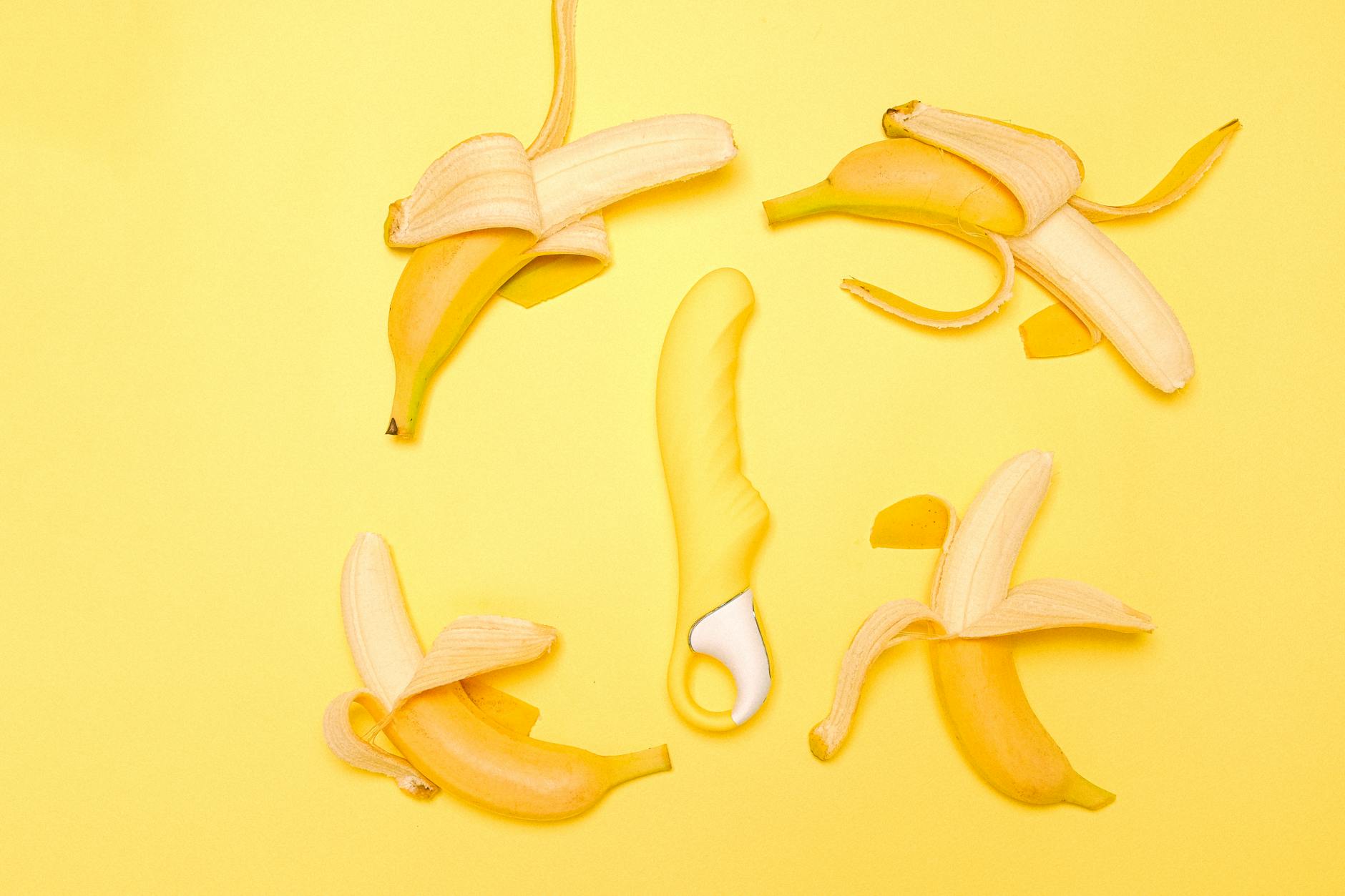
How to Use a Lemon Vibrator When Recovering From Vaginal Tightness After Childbirth
Let's be real: postpartum sensation is weird. Your body healed from something massive. The tissues around your vagina are stronger in some ways, tighter in others, and your nervous system is running on fumes. That tightness isn't a flaw. It's your body doing exactly what it's supposed to do.
What it means for pleasure is another question. And that's where a lemon clitoral vibrator changes everything.
Why postpartum tightness changes how pleasure feels
After vaginal delivery, the vaginal opening and pelvic floor muscles tighten as they heal. This is protective. Your body's doing its job. But tightness also means that penetration can feel different. Sometimes uncomfortable. Sometimes numb. And if you're trying to get aroused while managing sleep deprivation, hormonal upheaval, and the cognitive load of keeping another human alive, sensation becomes even harder to find.
Here's the thing: penetration isn't where your pleasure lives anyway. The clitoris has 8,000 nerve endings concentrated in one small area. When tightness makes penetration feel muted, that doesn't mean your clitoris stopped working. It means you have a chance to discover what actually turns you on, separate from the pressure to perform.
That's why lemon vibrators and air-suction technology matter so much in this phase. They bypass the vaginal canal entirely and focus on the clitoral bulb, the nerve-dense tissue that remains fully sensitive, even when everything else feels different.
The role of your pelvic floor in postpartum sensation
Your pelvic floor muscles did the heavy lifting during birth. They stretched, sometimes tore, and now they're relearning how to relax and engage. The problem: a pelvic floor that's stuck in partial contraction doesn't let arousal build cleanly. You can feel tension without sensation, effort without reward.
This is actually where many people get stuck. They think the tightness is permanent, that sex will always feel this way. It won't. But you have to retrain your nervous system to recognize that arousal is safe again.
Using an air-suction lemon clitoral vibrator does that retraining for you. The suction pattern works with your nervous system, not against it. It doesn't require you to generate internal lubrication or internal arousal. It simply says: here's a sensation that your body recognizes as pleasure. Let's rebuild from here.
When you're medically cleared but emotionally hesitant
Most care providers give clearance for penetration at six weeks postpartum. That timeline is about wound healing, not about readiness. Your body might be healed. Your brain might still be in survival mode. Your desire might be nonexistent.
That gap between medical clearance and actual readiness is where things fall apart. Partners feel rejected. People feel broken. Nobody's wrong. You're both in different timelines.
Here's what helps: start with external clitoral stimulation, alone or with a partner. A lemon vibrator gives you pleasure that doesn't require penetration, doesn't trigger the pelvic floor tension that makes everything harder, and doesn't ask your brain to shift into arousal when you're still in protection mode.
Use it for 10-15 minutes when the baby sleeps. Not because you're trying to rebuild desire, but because you're reminding your nervous system that sensation is still available to you. That's it. The rest follows.
Starting with the lowest intensity settings
Postpartum pelvic floor tissue is more sensitive than usual. Even if you used vibrators before birth, you'll want to start lower than you think. The Lem vibrator has gentle patterns at settings 1-3. Begin there.
Patterns matter more than power at this stage. Many people find that the rolling, building patterns of air-suction technology feel easier on sensitive tissue than vibration alone. That's because suction stimulates the nerve cluster rather than creating micro-friction that can feel raw.
Give yourself permission to use pattern 1 for the first two weeks. Your nervous system isn't craving intensity right now. It's craving safety and sensation. Once you've used patterns 1-2 for a few sessions and they feel comfortable, move to pattern 3. Stay there until it feels easy.
Speed up the progression when your body asks for it, not when your mind thinks you should.
Lube is non-negotiable, even with air-suction toys
Postpartum, external tissue is often drier than it was pre-pregnancy, even if you're breastfeeding. That's normal and temporary. A water-based lubricant creates a comfortable seal for your lemon clitoral vibrator and takes pressure off tissue that's already processing a lot.
Apply lube to the toy before you use it, not to your body. That way you're in control of how much there is. Start with a teaspoon. You can always add more.
Lube also signals to your nervous system that this is intentional, pleasurable time. That psychological component matters as much as the physical one. Your brain needs permission to feel good in your postpartum body, and a small ritual like applying lube gives it that permission.
The partner conversation that actually helps
If you're in a relationship, your partner might feel unsure about what to do. Here's what usually happens: they see you struggling with sensation or tightness, they think it's about them, and they pull back. Then you feel rejected. Then resentment builds.
Have one conversation before you start using your lemon vibrator. Tell them:
"I'm using this toy to reconnect with my body while it heals. This isn't about what's missing with you. This is about rebuilding my own pleasure. I might want you in the room sometimes, or I might want to do this alone. I'll tell you which."
That clarity prevents a year of hurt feelings.
If they want to participate, here's what works: they can hold the toy while you guide it. They can apply lube. They can be present without penetration, which gives you physical connection and psychological safety simultaneously. That's often more restorative than sex feels right now.
Rebuilding sensitivity over eight to twelve weeks
Postpartum recovery isn't linear. Some days sensation will feel close to normal. Other days you'll feel numb. That fluctuation is real. It's usually connected to hormones, sleep, stress, and how much your pelvic floor is holding tension.
Expect that your first three lemon vibrator sessions might feel unusual or uncomfortable. That's not a sign to stop. That's your nervous system saying, "Oh, sensation again. Let me remember what that feels like." By session four or five, most people notice warmth building. By week two, many feel actual pleasure arriving.
This timeline isn't universal. If you're six weeks in and feeling nothing, that's fine too. Some people take three months to reconnect. Some take longer. There's no deadline.
What matters is consistency. Using your clitoral vibrator twice a week is more effective than using it frantically once a month. Your nervous system learns through repetition.
When penetration can start feeling good again
Once you've used your lemon vibrator for three to four weeks and you're feeling pleasure building, you might notice that the idea of penetration feels less scary. You're not rushing toward it. You're not forcing it. It's just starting to seem possible again.
This is when <a href="/blog/how-to-use-lemon-vibrator-when-partners-have-mismatched-sensation-needs">partners with mismatched sensation needs</a> often find their rhythm. You can use your vibrator first to warm up your nervous system and increase blood flow, then transition to penetration with your partner if you want it. Or stay with external stimulation. Either is complete sex.
Many postpartum people find that they actually prefer external-only pleasure for months. The sensation is cleaner. The pressure is lower. The pleasure feels more like theirs. If that's you, that's not a compromise. That's you discovering what actually works for your body.
Hormonal shifts that affect sensation timing
If you're breastfeeding, your estrogen is lower than it was pre-pregnancy. That affects how your clitoris responds to stimulation. It might take slightly longer to feel arousal build. Your orgasm might feel different. You might notice that you need longer sessions to reach the same intensity.
None of that is permanent. Once you stop breastfeeding and your hormones recalibrate, sensation often snaps back to baseline or even amplifies.
In the meantime, use that information to adjust your expectations. Give yourself 20 minutes instead of 10. Use your lemon vibrator when you're most awake and least stressed. Don't measure your postpartum pleasure against your pre-pregnancy pleasure. You're not the same person. Your body did something extraordinary. It's allowed to work differently for a while.
When to check in with a physical therapist
If tightness is causing pain beyond normal postpartum healing, or if you're six months postpartum and sensation still feels completely absent, a pelvic floor physical therapist is worth your time. They can assess whether your pelvic floor is stuck in tension, identify scar tissue patterns, and give you targeted exercises.
A good pelvic floor PT will also talk about pleasure and sensation, not just pain and function. They understand that you're not just trying to heal. You're trying to get back to a life that includes sexuality.
Many of my clients use their clitoral vibrator as part of their PT home program. The therapist might even suggest patterns and timing that align with your healing protocol.
One more thing: your brain is part of your recovery too
Postpartum sex doesn't fail just because of physical changes. It fails because your mind is still in protection mode. You're hypervigilant about the baby. You're touched out. You're grieving your pre-baby body. You're terrified of another pregnancy.
Using a lemon vibrator can help, but it's not magic. It works best when paired with actual emotional processing. Talk to your partner about what you're feeling. Consider therapy if you're struggling. Give yourself permission to not want sex for a while.
Pleasure comes back on its own timeline. Your body didn't break. It just needs a different approach for now. And a tool like a lem vibrator can help you rediscover that pleasure when you're ready.
People also ask
How soon after birth can I use a lemon vibrator?
Most care providers recommend waiting until you're cleared for sex, usually six weeks postpartum for vaginal delivery or eight weeks for cesarean. Once you have that clearance, you can use an external clitoral vibrator like the Lem immediately. It doesn't involve penetration, so it's gentler on healing tissue. Start at the lowest intensity and see how your body responds.
Will using a vibrator make postpartum tightness worse?
No. External clitoral stimulation with a suction-style lemon vibrator doesn't affect vaginal tightness because it doesn't involve the vaginal canal. It stimulates the clitoris, which is external. If anything, regular pleasure sessions help your pelvic floor learn to relax more efficiently, which can eventually make penetration feel less tight.
Should I use my vibrator alone or with my partner during postpartum recovery?
Both are valid. Using it alone gives you space to reconnect with your own body without performance pressure. Using it with your partner present (or holding it) can rebuild physical intimacy and trust. Many people start alone, then invite their partner in once they feel comfortable. There's no right answer. Do what feels safest.
Can postpartum tightness affect how a lemon vibrator feels?
Yes, but not in a bad way. Tightness doesn't reduce clitoral sensitivity. It might make external sensation feel more intense because the tissue is more compressed. Start at lower intensity settings and move up as you adjust. The suction patterns of air-suction clitoral vibrators often feel more comfortable on postpartum tissue than traditional vibration alone.
How long does it take to feel pleasure again after birth?
Every body is different. Some people feel pleasure returning within two to three weeks of using a vibrator. Others take two to three months. Hormones, sleep, stress, and psychological readiness all play a role. Consistency matters more than speed. Using your vibrator twice a week is more effective than occasional use.
What if I'm not interested in sex at all postpartum?
That's completely normal and doesn't mean something is wrong. Postpartum desire often returns gradually over three to six months. Using a vibrator isn't about forcing yourself into arousal. It's about gentle reconnection with sensation when you're ready. If you're still uninterested six months out, or if you're experiencing postpartum depression, talk to your provider. Therapy and medical support are part of healing too.
The takeaway
Postpartum tightness is a real physical change, but it's not a permanent barrier to pleasure. A lemon clitoral vibrator gives you a gentle, low-pressure way to reconnect with sensation while your body heals. Start slow, use external-only stimulation, and trust that pleasure returns when your nervous system feels safe again. Your postpartum body isn't broken. It's just asking for a different approach.