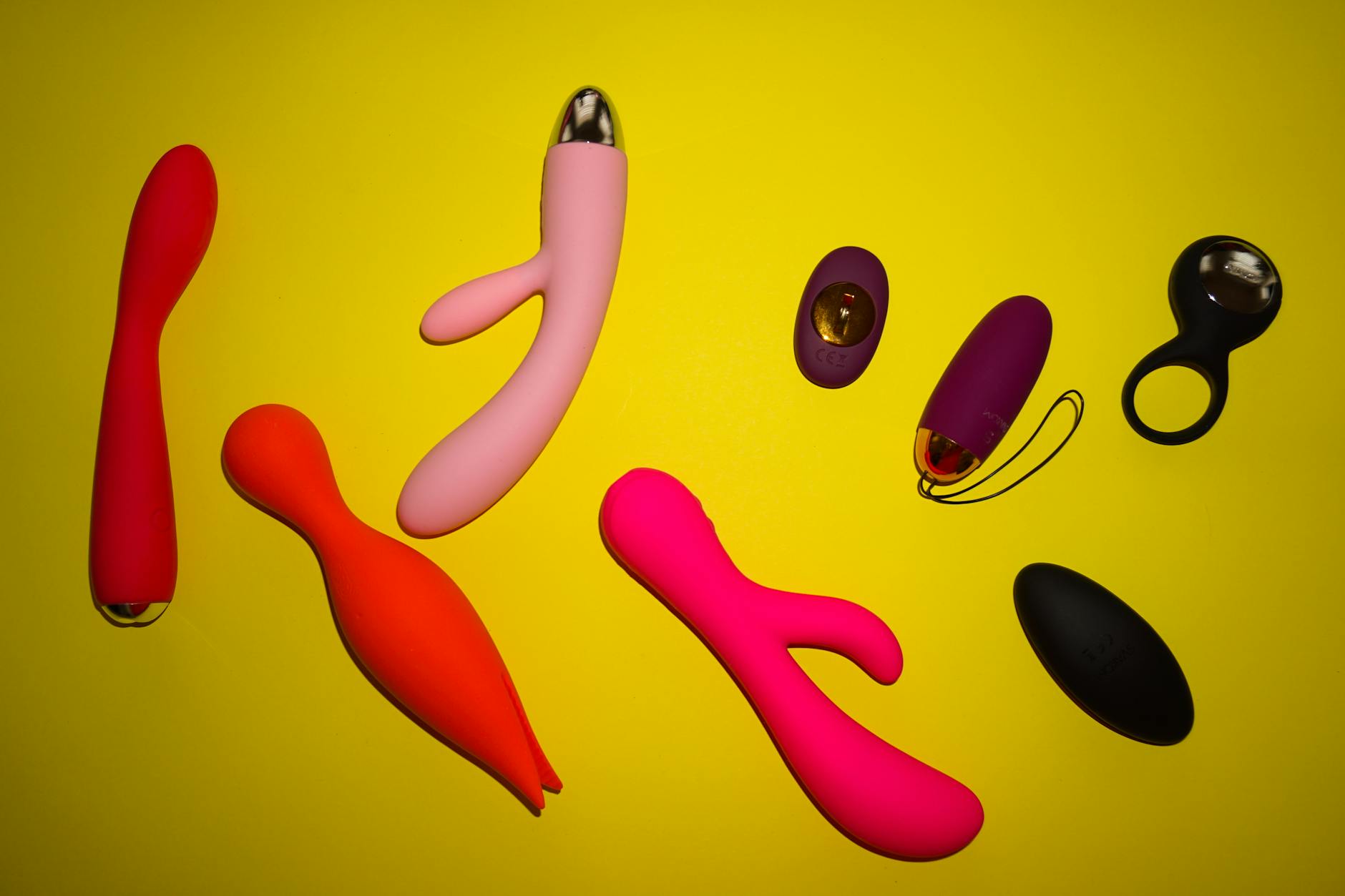
Let's talk about the elephant in the room
Body disconnection is real, it's common, and it absolutely tanks pleasure. When your mind checks out during sex or foreplay, no amount of technical skill fixes it. You're not broken. You're not frigid. Your nervous system is doing exactly what it learned to do: protect you by stepping back.
Here's what I see in my practice: people who've survived trauma, chronic stress, anxiety, or even just years of feeling unsafe in their own skin end up dissociated during intimate moments. They're present enough to go through the motions but absent enough to feel nothing. A lemon vibrator won't fix the underlying stuff. But it can be the bridge that teaches your body it's safe to feel again.
What disconnection actually feels like
It's not always dramatic. Sometimes it's a gentle floating sensation. Sometimes your hands and feet go numb. Sometimes you're watching yourself from outside your body like you're in a movie. Sometimes you just feel... nothing. Flat. Present but not there.
The mechanism is straightforward. When your nervous system perceives threat (real or learned), it activates a freeze response. Blood moves away from your periphery toward your core. Sensation dampens. Your brain literally prioritizes survival over pleasure. This made evolutionary sense. Right now it just makes sex feel pointless.
The good news: sensation can be rebuilt. Your body doesn't stay disconnected forever. It stays disconnected as long as it doesn't feel safe enough to reconnect.
Why a lemon clitoral vibrator specifically helps
Three reasons this matters:
1. Precision sensation. A lemon vibrator like the Lem focuses intensive stimulation on a small, highly sensitive area. Your clitoris has 8,000 nerve endings concentrated in a space smaller than a pea. That density means vibration cuts through numbness more effectively than diffuse touch. When dissociation has dulled your sensation, you need something that speaks loudly to your nervous system.
2. Controlled intensity. Dissociation often comes paired with hypervigilance. You can't relax if you're braced for threat. A lemon sucker lets you control exactly how much sensation you're receiving, in what pattern, at what intensity. That agency matters. You're in charge. Nothing is happening to you.
3. Neurological reset. Vibration activates specific sensory pathways that bypass the freeze response. It's not mystical. It's neurology. Rhythmic stimulation helps regulate your nervous system by creating predictable input. Your brain starts to believe: this is safe, this is happening now, I can be present.
Starting the reconnection practice
If you're coming back from serious dissociation or trauma, slow is not just better. Slow is mandatory. Think of this as nervous system retraining, not pleasure-seeking. The pleasure will come. Right now, the goal is presence.
Set the scene first. Dimmed light or darkness. No performance pressure. Ideally alone, so you're not watching yourself through someone else's eyes. A closed door. No phone. Temperature comfortable. If you need music or white noise to feel safer, use it.
Start clothed. Honestly. Sit or lie down with your lemon vibrator over your clothes. Turn it on to the gentlest pattern. Notice what you feel. Notice what you don't feel. There's no wrong answer here. Numbness is information, not failure.
Notice before you react. Dissociation often triggers a reflex to just push through and get to the end. Resist that. Spend five to ten minutes at this stage, clothed, low intensity, noticing. The goal is to start building a conscious connection between stimulus and sensation.
Move to skin slowly. Once clothed sensation starts registering, try bare skin. Outer thigh first, not directly at your clitoris. Lower intensity. Same process. Notice. Stay present.
Building presence over weeks
This isn't a one-session fix. Real reconnection takes time. Most of my clients need three to four weeks of regular, solo practice before their nervous system starts to genuinely believe it's safe to feel.
Week one: clothed, very low intensity, five to ten minutes most days. The goal is repetition and safety. Your nervous system learns through consistency.
Week two: bare skin, outer areas, still low intensity. You might start feeling actual sensation. Tingling, warmth, even mild pleasure. This is progress. Don't push it.
Week three: you can now try direct clitoral stimulation, still at lower intensities. By this point, many people notice their body responding faster. Arousal building. Lubrication appearing. These are signs your nervous system is starting to trust.
Week four and beyond: increase intensity if it feels good, not because you think you should. Some people find that a lemon clitoral vibrator on medium intensity creates the right amount of sensation to keep them present without being overwhelming. Others prefer a stronger pattern. There's no standard.
The mental game is half the battle
Your brain will try to pull you out. You'll find yourself thinking about work, or whether you're doing it right, or whether you're broken because you're not having an orgasm yet. That's normal. That's dissociation trying to reassert itself.
When it happens, don't judge yourself. Just notice. "My mind wandered." Then gently bring attention back to the sensation of the vibrator. Back to your breath. Back to this moment.
If you find yourself in heavy dissociation during the practice (floating, numbness, watching from outside), stop. You've gone too far. Lower the intensity, or do the session clothed, or take a break entirely. Reconnection takes time. Pushing your nervous system too hard too fast just teaches it that pleasure isn't safe after all.
When to bring a partner in
Solo practice first. Always. Once you can feel sensation and stay present alone, partnered pleasure becomes possible. Not because your partner will fix it, but because you've already proven to your nervous system that you can be present during stimulation.
If you have a partner, let them know what you're working on. "I'm rebuilding my ability to feel pleasure. This isn't about you or us. It's nervous system work." Most partners get it. The ones who don't? That's a different conversation, and you might want to talk to a therapist about that relationship dynamic.
When you do explore with a partner, the same rules apply. Go slow. Use the lemon vibrator if it helps you stay present. Your partner's job isn't to make you feel something. Your partner's job is to show up without pressure and let you lead.
Common snags and how to move past them
Guilt about needing a tool. You don't. Your nervous system needs support. A lemon sexual toy is just technology. Using it isn't a sign you're broken. It's a sign you're smart enough to use resources that work.
Impatience with the timeline. Reconnection typically takes four to twelve weeks depending on how long you've been dissociated and how much trauma underlies it. You didn't disconnect overnight. You won't reconnect overnight either.
Partner frustration if you're in a relationship. They may want to help fix it. Explain that their role is support, not solution. Sometimes the most loving thing a partner can do is let you work on this solo.
Orgasm pressure. Stop expecting it. For the first month or two, the goal is sensation and presence, not orgasm. Pleasure comes first. Orgasms often follow naturally once your nervous system believes it's safe.
When professional support is essential
If your disconnection stems from serious trauma, please also work with a trauma-informed therapist. A lemon clitoral vibrator is a useful tool, not a replacement for therapy. The same goes if you have persistent dissociation during daily life, not just during sex. Your nervous system needs professional support to fully reset.
Somatic therapy, EMDR, and Gottman Method approaches all show strong results for trauma-related disconnection. The vibrator is part of your toolkit. The therapist is another part.
FAQ
Can dissociation during sex be reversed?
Yes, absolutely. Your nervous system is plastic. It learned to disconnect. It can learn to reconnect. The timeline depends on the severity and how long it's been happening, but most people start noticing shifts in presence within four to eight weeks of consistent practice.
What if I feel nothing even with the vibrator?
That's fine. Numbness is part of the process. Keep the intensity low and the sessions brief. Your nervous system will start registering sensation when it feels safe. For some people this takes weeks. For others it takes a few weeks into practice. Consistency matters more than intensity.
Should I use a lemon vibrator or a different kind of toy?
A lemon clitoral vibrator is particularly effective because it creates focused, intense stimulation on an area with high nerve density. Other clitoral vibrators work too. Penetrative vibrators typically don't help with reconnection because penetration can actually increase dissociation for people with trauma histories. Stick with external, clitoral stimulation.
Can I use a lemon sexual toy with a partner during reconnection?
Not in the first four to six weeks. Solo practice first gives your nervous system a clear message: this is safe, this is happening, I can feel this. Once you can stay present solo, partnered play with the toy can work. But your partner shouldn't be introducing it. You should be.
What if reconnection isn't working?
Talk to a trauma-informed therapist. Disconnection that doesn't shift with consistent solo practice, relaxation techniques, and nervous system support often points to something that needs clinical attention. A lemon vibrator is a tool, not a miracle.
How often should I practice reconnection?
Five to six days a week for the first month. Then you can scale back to three to four days if you're seeing progress. The goal is regular enough that your nervous system recognizes the pattern and starts to anticipate safety. Daily feels obsessive. Once a week feels too sparse. Most of my clients find four to five sessions weekly is the sweet spot.