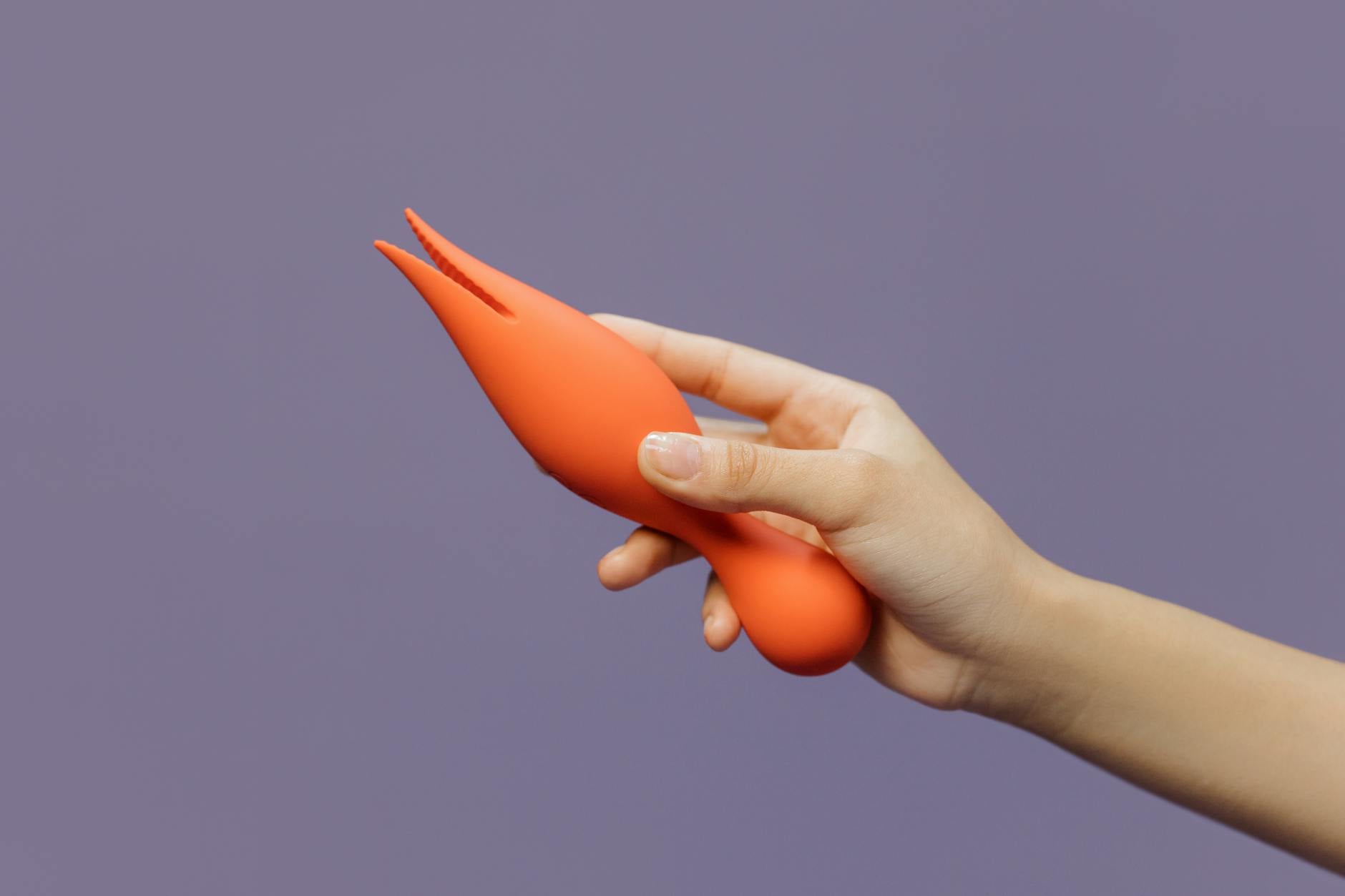
How to Use a Lemon Vibrator When You Return to Sex After Medical Leave
Your body's been on pause. Restarting sexual pleasure takes intention, not pressure. Here's how to ease back in with a lemon sucker tool that meets you where you are.
When you take a medical pause from sex, your body doesn't just sit idle. Recovery from surgery, illness, injury, or hormonal treatment rewires things. Your nervous system gets quieter. Your pelvic floor tightens. Arousal pathways that used to fire automatically now feel dormant. Returning to sexual pleasure after that break isn't about picking up where you left off. It's about teaching your body to remember sensation again.
Here's the physiology. During medical treatment or recovery, several things happen simultaneously. Blood flow to your genitals drops. Your nervous system stays in a more sympathetic state (fight-or-flight) longer, which blocks arousal. Medications—antibiotics, anti-inflammatories, hormone therapies—can reduce natural lubrication and sensation. Your pelvic floor often contracts unconsciously as a protective response.
Meanwhile, your brain has been somewhere else. Focused on healing, managing pain, following medical protocols. Sexual pleasure gets filed away as a luxury, not a necessity. The longer the pause, the more foreign the sensation feels when you try to come back to it.
The good news: your body hasn't forgotten how to experience pleasure. It's just in a different starting position than it was six weeks or six months ago.
A lemon sexual toy—particularly air-suction style vibrators—has advantages over other tools when you're rebuilding:
Non-penetrative stimulation. If penetration was part of your medical issue, a clitoral vibrator lets you explore pleasure without triggering anxiety or physical discomfort.
Gentle pressure control. A lemon sucker can start at the lowest settings. You're not forcing intensity. You're inviting sensation.
Hands-free options. Some designs let you rest the vibrator in place while you focus on breathing and relaxation rather than controlling a tool.
Predictable sensation. Vibration is rhythmic and consistent. Your nervous system can anticipate it, which makes it easier to relax into arousal.
Compare that to manual stimulation, which requires you to manage pressure and rhythm yourself—often impossible when your confidence is low or your body feels like a stranger.
The biggest barrier isn't physical. It's psychological. You're nervous. You're wondering if things still work. You're carrying whatever medical event sent you here in the first place. That mental load lives in your body.
Start here: create actual space for this. Not "I'll try during the only free hour of my week when I'm already half-asleep." Real, protected time. Twenty minutes minimum. Alone. Phone off. Lights soft. Temperature comfortable.
Then do something counterintuitive. Don't jump straight to your lemon vibrator. Spend five minutes on breathing and noticing. Lie down. Scan your body from your neck down. Notice where you feel tense. Breathe into those spots. Your job isn't to feel good yet. Your job is to feel present.
This part matters more than the toy. Your body needs permission to be here before it can feel pleasure.
Assuming you've cleared return to sexual activity with your doctor, here's the gentlest approach:
Session one: exploration without expectation. Apply water-based lubricant—especially if your medical treatment affected natural lubrication. Hold your lemon clitoral vibrator. Don't turn it on. Feel the weight, the texture, the temperature. Spend two minutes just holding it against your outer labia. This is about reconnecting with touch without performance pressure.
Session two: lowest vibration setting. Turn your lem vibrator to setting one. The intensity should feel like a whisper, not a statement. Touch it to your inner thigh, your outer labia, the top of your pubic mound. Not the direct clitoral area yet. You're mapping where sensation lives. Notice what feels pleasant. What feels like nothing. This takes as long as it takes.
Session three: gentle clitoral contact. Once you feel something, bring your lemon vibrator toward your clitoris. Start at the side or top, not directly on the glans. Use small circular motions or gentle contact. Stay at setting one. If you feel tingling or warmth, good. If you feel numb or uncomfortable, pause. Return to touching your thigh or pubic mound. Your nervous system is learning again.
Sessions four onward: building in increments. Once you're comfortable with setting one and you feel genuine pleasure (not just numbness or obligation), try setting two. Stay there for multiple sessions. Your body doesn't need to be rushed to higher intensity. Depth matters more than speed.
Medical trauma or extended medical treatment can create temporary numbness. You touch yourself and feel absolutely nothing. That's not broken. That's your nervous system being cautious.
Honestly, numbness is sometimes harder to sit with than pain because at least pain is feedback. Numbness feels like absence. But here's the thing: if your doctor cleared you physically, the numbness is usually about your nervous system relearning safety, not about permanent damage.
What helps: consistency without pressure. Using your lemon vibrator at the same time each day signals safety to your body. After two to four weeks of gentle, regular use, sensation usually starts returning. You'll notice tingling. Warmth. A slight flush. Those micro-sensations are your nervous system reactivating.
If numbness persists beyond four weeks, loop in your doctor. Sometimes physical therapy or a specialist can help wake things up faster.
If you're partnered, this transition gets complicated because now you're managing your own recovery plus their patience, desire, or anxiety about whether things are "back to normal."
They probably aren't. At least not yet. And that's okay.
The kindest thing you can do: use your lemon adult toy alone first. Get familiar with your own pleasure again before adding the complexity of someone else's presence or expectations. Once you've had a few sessions where you felt genuine pleasure, then you can invite them in.
When you do, be specific. "I'm using this tool to help my body remember sensation. You're welcome to be here, but I need you to do nothing unless I ask." Their job is witnessing and supporting, not performing or achieving.
If after four weeks of consistent use (at least three to four times per week), you still feel nothing, or if sensations feel wrong or painful, check in with your gynecologist or the doctor who oversaw your recovery. Sometimes medical treatment creates lasting changes that need specific intervention—pelvic floor physical therapy, topical treatments, or different medical management.
If the mental part is stuck—you feel anxiety, shame, or deep disconnection from your body during these sessions—consider working with a therapist. Medical trauma is real. A coach or therapist who specializes in sexuality and medical recovery can help you process what your body's been through.
Full sexual recovery after medical leave usually takes longer than we want it to. If you had surgery, a serious illness, or intensive treatment, give yourself at least eight weeks of gentle, consistent practice before you expect your arousal patterns to feel "normal" again. Some people take months. That's not a failure.
Your body is incredibly resilient. It survived something. Now it's learning pleasure again, one gentle session at a time. A lemon vibrator—simple, controllable, non-invasive—is one of the best tools for that specific work.
Your pleasure matters. Even in recovery. Especially in recovery. Start small, stay patient, and let your body set the pace.
That depends entirely on the type of surgery and your doctor's clearance. Abdominal surgery typically requires four to six weeks before any internal penetration. For clitoral-only stimulation with an external lemon vibrator, most doctors clear you sooner—sometimes two to three weeks. Always ask your surgeon specifically about external vibration and internal healing before you start. When in doubt, wait another week.
Yes, and that's normal. Your nervous system sensitivity changes during recovery. Some people find vibration feels uncomfortable at first. Some feel nothing. Some find that lower settings, which they never used before, suddenly feel perfect. You're not broken. Your baseline just shifted. Patience with that shift—rather than frustration—makes all the difference.
Some pain medications (particularly opioids) affect sexual sensation. That's separate from whether the vibrator is physically safe to use. If your doctor cleared sexual activity, the tool is safe. But your sensation might be muted. That doesn't mean avoid pleasure—just understand that numbness may be medication-related, not a sign that things are wrong. As medications taper, sensation usually returns.
That's incredibly common after medical trauma. Your body is hypervigilant. Pleasure triggers the sympathetic nervous system. If anxiety spikes during a session, pause. There's no timeline here. Breathe. Get up. Make tea. Try again tomorrow. Anxiety during pleasure often needs a few sessions with a therapist or coach to process what your body survived. That's worth doing.
That depends on your relationship and what you're comfortable with. If you're partnered and share intimacy, transparency usually helps. Secrecy around pleasure often creates more distance. But you get to control the timing and framing. "I'm using this tool to rebuild my own pleasure right now. It has nothing to do with you" is different from hiding it. Choose what feels honest.
Real sensation has a physical quality to it—tingling, warmth, a subtle pulse, or pleasurable pressure. Imagined sensation is more conceptual. You think you should feel it, so you feel...something vague. Trust the difference. Real sensation usually makes you want to do it again. Imagined sensation often leaves you feeling more disconnected. If you're uncertain, keep a simple journal. "Session five: felt warmth on setting two for 30 seconds." Patterns emerge over weeks that prove things are changing.
Your body will come back. Not to where it was before, necessarily. Recovery changes things. But to a place where pleasure is accessible, where your own touch matters, where a simple lemon vibrator can help you feel alive again.
Take your time. Your pleasure is worth the care. If you have questions or need support beyond what this guide covers, reach out. We're here to help you navigate this transition at whatever pace feels right for you.