The thing nobody tells you about introducing toys
Your new partner isn't saying no to pleasure. They're often saying no to the feeling of being asked something they don't have a framework for yet. It's not the lemon vibrator they're afraid of. It's the implied question: Am I not enough? Will you think I'm weird? What if I don't like it and feel obligated anyway?
These are relationship questions wearing a sex-toy disguise. So the conversation isn't actually about the toy. It's about safety, curiosity, and being invited rather than pressured.
Why new partners get nervous about toys
Here's the psychology piece that changes everything. In new relationships, we're all running a low-level anxiety about whether we're "good" at sex, whether we're compatible, whether we'll disappoint someone. A vibrator can feel like evidence that something's missing. It can read as "you're not enough for me," even when that's not what you mean at all.
That anxiety doubles if your partner was raised in a culture where sex toys were taboo, or if they've had previous partners dismiss the idea without explanation. Sometimes it's just inexperience. They've never seen one up close, never heard it discussed matter-of-factly, never been in a relationship where pleasure was treated as collaborative rather than performative.
The fix isn't to push harder. It's to reframe the entire conversation.
Timing is literally everything
Don't bring up a lemon clitoral vibrator during an argument, during sex, or when someone's tired, stressed, or defensive. Don't do it over text when they can't read your face and tone. Don't spring it on them right before intimacy.
The best moment is a calm, clothed conversation when you both have mental space. Ideally somewhere neutral and comfortable. A walk works. Coffee at home works. During a Netflix pause works. The point is: you're not asking mid-vulnerability. You're asking in daylight.
How to actually start the conversation
Forget the word "toy." Start with curiosity, not a proposal.
"I've been thinking about pleasure lately. Like, what actually feels good to both of us and how we could explore that more. I'm curious if there's stuff you've always wanted to try but never brought up."
Notice what happened there. You made it about both of you. You named pleasure as something worth exploring. You opened space for them to share without committing to anything yet.
Their response tells you everything. If they're dismissive, it's not about the lemon vibrator. It's about their relationship with pleasure itself. That's a bigger conversation, and you're not going to solve it by surprising them with a sex toy.
If they're curious but nervous, you move to the next step.
The reassurance that actually lands
"I want to try a clitoral vibrator together. Not because anything's wrong. But because good sex is collaborative, and I'd rather know what feels incredible for you than guess. It's not about replacing anything. It's about adding something. And if you hate it, we never use it again. But I think you might actually like it."
That works because you're doing four things at once:
- Naming the specific thing (clitoral vibrator, not "something")
- Removing shame (collaboration, not performance)
- Giving control (if you hate it, we stop)
- Showing confidence (I think you'll like it)
Confidence matters more than you'd think. If you sound apologetic or uncertain, they'll absorb that as "this is something I'm unsure about too." Stay grounded. You're not asking permission for something weird. You're inviting them to something good.
Showing them the actual thing matters
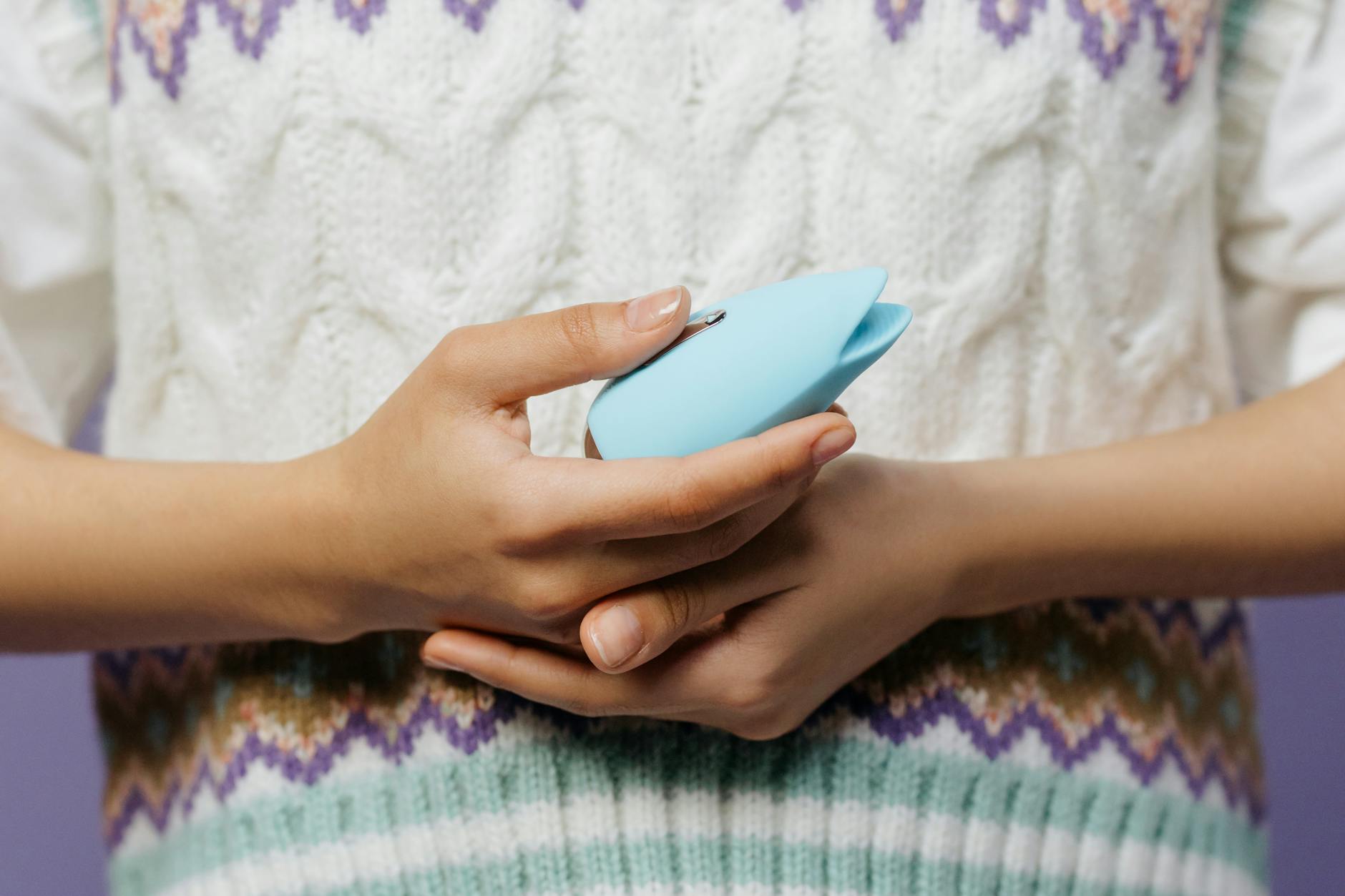
Don't describe a lemon vibrator. Show them. Let them hold it. Let them feel the weight, the texture, how it turns on. Familiarity kills fear. When they can see it's not intimidating, when they can touch it without pressure, the whole energy shifts.
Better yet, if you've used one before: "I've tried this. It feels like this. Here's what surprised me." Now you're not the mysterious asker. You're the person who's already been here and can report back.
If you haven't used one, that's fine too. "I haven't tried one of these yet. I want to explore it with you." That's collaboration. That's vulnerable in a good way.
The first time you use it together
Let them set the pace. Introduce it slowly. You might start with the Lem on the lowest setting, just during foreplay, nothing goal-oriented. This isn't about orgasms. This is about "how does this feel on your body."
Check in. "Does this feel good? Want it higher? Want to try a different pattern?" Make it clear they have full veto power at any second. Most people relax once they feel genuinely in control.
Here's what often happens: they try it, something lights up, and suddenly they're curious about what else feels good. That curiosity is the door opening. Once that opens, you're not "convincing" them anymore. You're exploring together.
If they're still hesitant after a genuine offer
Drop it. For real. Not for a few weeks. For a few months, maybe longer. A forced yes is not actually a yes, and resentment tastes worse than any pleasure feels good.
Instead, focus on the underlying thing: are you generally connected sexually? Do you talk openly about what feels good? Are you building trust? Because if the answer to those is yes, the lemon vibrator conversation will come up naturally later. If the answer is no, no toy is going to fix that.
Sometimes people need time. They need to feel safer. They need to see that you value their pleasure even without toys. Once they have that foundation, hesitation often melts.
Common things partners worry about (and how to address them)
"Will it replace me?" No. It doesn't have a face or a heartbeat or a voice. It's a tool, like a position or a hand. You're using it together.
"That seems dirty." It's silicone, medical-grade, totally cleanable. We're not doing anything your body didn't already want to do.
"What if I can't finish? Then you can't finish. That's true with or without a lemon vibrator. This just gives us more options.
"My ex used toys and I hated it." Different relationship, different intention, different person using it. We're not them.
When to loop in a professional perspective
If your partner has genuine trauma around sex, deep shame, or a diagnosed sexual aversion, a sex therapist or counselor can help frame this in ways that don't land as pressure. Sometimes hearing it from a neutral third party makes a difference.
But don't weaponize therapy. Don't send them to "get fixed" so they'll use the toy. That's manipulation. If you go that route, go because you both want better connection, period. The toy is secondary.
The long game
The best partners I've coached as a relationship therapist are the ones who treat pleasure as something worth discussing openly, without shame or performance. That conversation happens first. The lemon vibrator is just the physical manifestation of that emotional safety.
If your new partner is shy about toys, your real job is building trust. Everything else follows from that.
People also ask
How do I bring up toys without sounding demanding?
Frame it as exploration, not necessity. "I'm curious what you like" is different from "You need to try this." Curiosity invites. Demand shuts people down. Use "I'm wondering" and "Have you ever thought about" instead of "You should try" or "We need." The tiny language shifts signal that you're genuinely open to their answer being no.
What if my partner thinks lemon vibrators are only for solo play?
That's a common misconception worth gently correcting. Clitoral vibrators like the Lem are designed for partnered use too. You can use them during foreplay, penetration, or anytime you want extra stimulation. Show them how it works, talk about the different patterns, and explain that it's really about enhancing what you're already doing together, not replacing anything.
Is there a right age to introduce toys in a new relationship?
Not really. Some couples introduce toys in month two. Some wait years. It depends on how quickly you build emotional intimacy and how open you both are to discussing pleasure. There's no timeline. The readiness comes when you both feel safe enough to be curious.
Can I give a lemon vibrator as a gift without talking first?
Not if you want a good outcome. A surprise toy often feels like pressure or judgment, even if that's not your intention. The conversation first, then the gift if they're interested, works much better. Conversation signals respect. Surprise signals assumption.
What if my partner wants to use it solo instead of with me?
That's their choice, and it's actually a good sign they're exploring their own pleasure. Solo use and partnered use aren't mutually exclusive. Some people need solo time with something new before they feel comfortable using it together. Let that happen at their pace. Don't make it about you.
How do I know if introducing a vibrator will hurt our relationship?
If the relationship is solid and you're communicating well, it won't. If the relationship is rocky, strained, or built on performance rather than safety, then yeah, adding something new could amplify existing tension. But the vibrator isn't the problem. The foundation is. Fix that first, or accept that toys might wait.