How to Use a Lemon Vibrator When Your Partner Needs Longer Arousal Time
One person's ready in five minutes. The other needs twenty. A lemon clitoral vibrator doesn't solve the mismatch, but it makes the wait feel like foreplay.
One partner is ready for sex in five minutes. The other needs twenty, thirty, sometimes forty minutes to feel anything at all. You're lying there, wanting to connect, but the mismatch creates this weird tension. The slower partner feels rushed. The faster partner feels rejected. Nothing kills arousal faster than looking at your watch.
This is one of the most common friction points in long-term relationships, and almost nobody talks about it directly. Instead, couples absorb it as a personal failure. "There's something wrong with my body." "They don't find me attractive." Both of those are usually wrong.
The reality is simpler and fixable. Arousal timing is almost never about desire. It's about how your nervous systems are wired, your medication, your stress load, and sometimes just the weather. A lemon vibrator can't rewrite your neurology. But it can reframe the entire situation so both of you actually enjoy the time together.
Physiology, mostly. Testosterone tends to create faster arousal peaks, while estrogen creates slower build-ups. Neither is better or worse. They're just different timelines. But in a partnered situation, different timelines create friction.
Other factors that slow arousal:
Medication. Antidepressants are the biggest culprit. SSRIs specifically delay arousal as a side effect in about 40 percent of users. It's not in your head. Your brain chemistry literally moved the finish line.
Stress and mental load. If your brain is solving problems while you're in bed, your body isn't going anywhere. The distracted partner often needs time to mentally transition into the moment.
Age and hormonal shifts. Arousal takes longer after 45. This is so normal that it shows up in basically every longitudinal study on sexual response. It's not decline. It's just a different pace.
Pelvic floor tension. Ironically, people with tight pelvic floors often take longer to become aroused because the muscles that trigger arousal are already locked. They need active relaxation time.
None of these are problems to fix. They're just variables to work with.
They try to match each other's timelines by changing the person who's slow. "Maybe you just need to relax more." "Have you tried thinking about it differently?" This doesn't work because you can't willpower your way into arousal.
The other mistake is accepting the mismatch as unchangeable. "We just have different speeds." True, but that doesn't mean you're stuck with quickies and resentment.
Here's what actually works: you reframe the entire situation. The slower arousal time isn't dead time anymore. It becomes part of the sex itself.
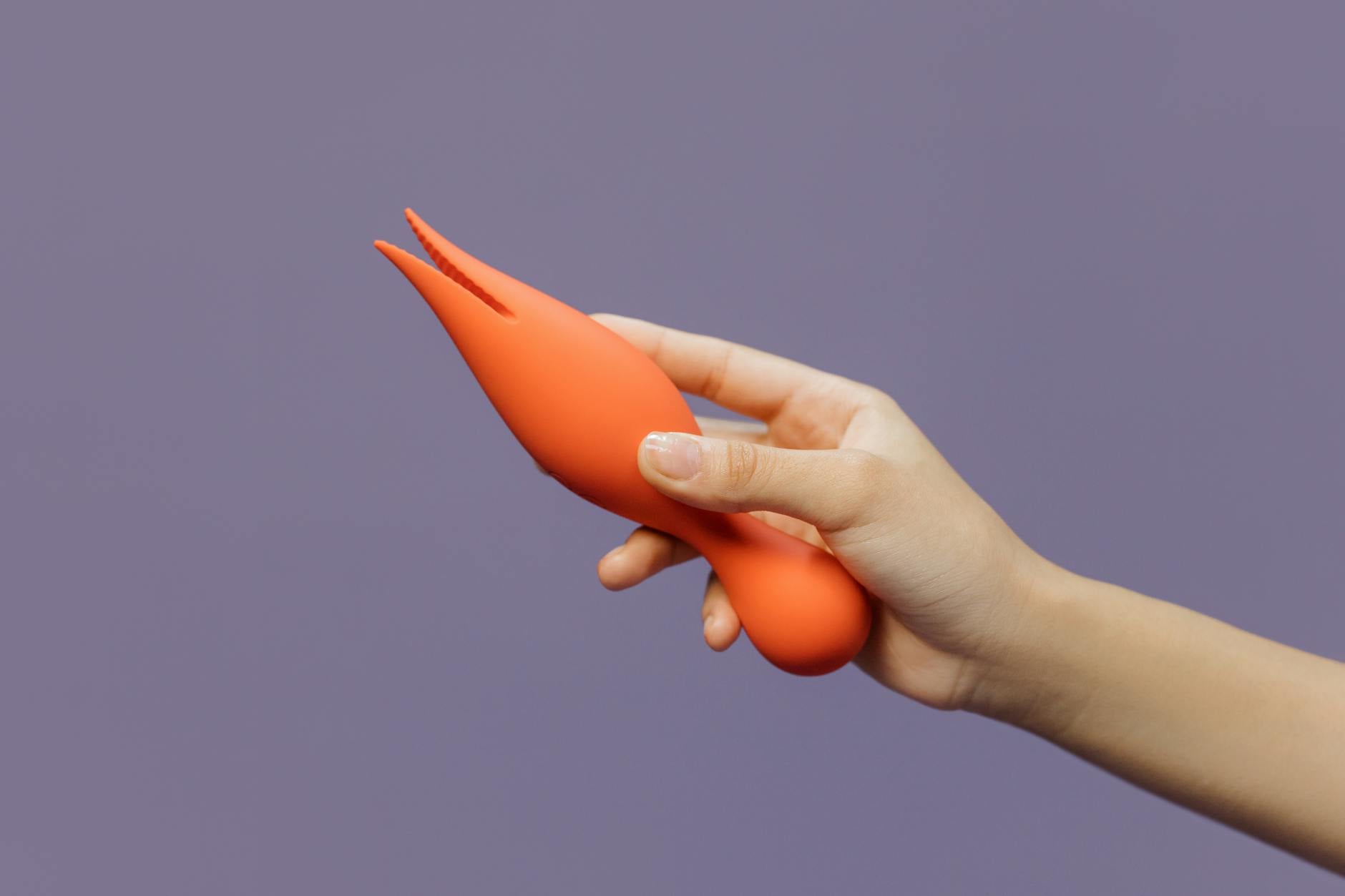
A lemon clitoral vibrator like the Hello Nansy Lemon (also called the Lem) is built for this exact scenario because it works at a specific speed that doesn't require a ton of mental engagement. You're not thinking about whether you're doing it right. You're just receiving stimulation while your partner does the same.
Here's how this changes the arousal math:
For the slower partner. You get direct clitoral stimulation while your partner is touching you, talking to you, building connection. The lemon vibrator does the heavy lifting so you don't have to generate arousal from zero. You're meeting it halfway. Most people who need 30 minutes cut that in half when there's consistent, gentle vibration happening.
For the faster partner. You're not waiting. You're watching your partner respond, touching them, being part of their arousal journey. That's not foreplay. That's the main event. A lemon clitoral vibrator shifts the focus from "when is this going to happen" to "I get to be present for this."
For both of you. The pressure lifts. Sex isn't a race to a deadline anymore. You're on the same timeline because you're building arousal together, just with different tools.
There are three basic setups that change the dynamic completely.
Setup One: The slower partner holds the lemon vibrator, the faster partner focuses entirely on touch and connection.
Start with the faster partner undressed and present. The slower partner holds the Lem (or whichever lemon clitoral vibrator you're using) and uses it while their partner kisses them, touches their chest, traces their body. No performance pressure. The person using the vibrator isn't doing anything complicated. They're just receiving sensation while being actively wanted.
This usually takes 15 to 20 minutes before the slower partner feels ready. Once you hit that point, you transition naturally into partnered sex or stay with the vibrator. The key is that the faster partner isn't lying there doing nothing. They're engaged the whole time.
Setup Two: The faster partner operates a lemon clitoral vibrator on the slower partner while maintaining eye contact and physical contact elsewhere.
This one requires consent and communication. If the slower partner trusts the faster partner to set the pace and pressure, this works beautifully. The faster partner holds the Lem and paces the intensity to match the slower partner's responses. You're building arousal together, with one person leading the physical sensation and the other guiding it.
This works especially well when arousal takes 30+ minutes because the faster partner gets to be active and engaged rather than waiting. They're watching their partner's responses. They're adjusting intensity. They're present in a way that feels good to both people.
Setup Three: Both partners use lemon vibrators simultaneously during partnered sex.
Honestly? This changes everything. If you're going to buy a second lemon clitoral vibrator (or a different toy entirely), using them both during penetration or during each other's touch is where timing becomes irrelevant. You're both receiving direct stimulation. You're both building toward orgasm at your own pace. There's no rush because you're both climaxing together even if the timeline looks different.
If a second toy isn't in the budget, borrowing or renting is reasonable. Hello Nansy's return policy is generous, so you can try a second vibrator and see if it fits your dynamic.
Using a lemon vibrator with a partner only works if you've actually talked about it first. Not during sex. Before.
Here's the conversation you need:
"I've noticed we have different arousal speeds. That's completely normal and not a problem. But I want us both to actually enjoy sex together, not just tolerate it. I'm thinking about using a vibrator during foreplay so we can meet somewhere in the middle. What do you think about that?"
Then listen. If your partner feels insecure about it ("Are you not attracted to me?"), that's real and it needs attention. The answer is usually something like: "This isn't about you being not enough. This is about us matching our rhythms so we both feel good. I want you to actually be aroused, not just going through the motions."
If your partner's resistance comes from something else (they're tired of dealing with sex entirely, they feel pressured to perform), the lemon vibrator won't fix that. The conversation needs to happen first.
Air-suction vibrators like the Lem don't just vibrate. They create rhythmic pressure that mimics what happens during partnered sex. Your body responds more naturally because it's not mechanical vibration. It's closer to how stimulation actually feels during intimacy.
The pressure setting also matters. On lower settings, you can use a lemon clitoral vibrator for extended periods without discomfort or numbness, which is essential when arousal is taking 20 to 40 minutes. You're not grinding your clitoris into high-speed vibration for half an hour. You're getting steady, sustainable stimulation.
Compare that to standard vibrators where sustained use at full intensity can create desensitization. With a lemon sucker like the Hello Nansy Lem, you stay sensitive throughout the entire build.
Sometimes slow arousal is just slow arousal. Sometimes it's pointing at something else. If your partner's arousal suddenly became slower (wasn't like this before), or if arousal requires more and more intensity over time, or if one of you is actively avoiding sex, that's different.
That's when you might need to look at relationship dynamics, medical factors, or whether someone's actually wanting to be in this sexual situation at all.
A lemon vibrator is a logistics tool. It's not a band-aid for "we don't actually want to have sex together." Be honest about which one you're dealing with.
It's rarely about desire or attraction. It's usually physiology (hormones, medication, age), mental transition time, or pelvic floor tension. Stress and distraction matter hugely. Your partner's brain might not be fully present even if their body is in the room.
Only if you present it that way. Frame it as "I want to enjoy this more, and I think this could help both of us" rather than "you're too slow." The difference in tone changes everything. You're solving a logistics problem together, not criticizing anyone.
There's no fixed timeline. Watch for signs of arousal: breathing changes, flushed skin, increased lubrication, physical responses to touch. When the slower partner is clearly excited and reciprocating stimulation, you're ready. That might be 10 minutes or 35 minutes. The point is you're not watching the clock.
Absolutely. Some couples use it to stimulate the person receiving penetration during partnered sex. Others use it on the vulva while penetration is happening. It depends on position, comfort, and what feels good. There's no single "right" way. You're experimenting to find what works for both of you.
That's worth exploring separately from the arousal timing issue. Sometimes resistance comes from old shame around toys. Sometimes it comes from feeling like they're not enough. Sometimes it's just about comfort level. Have a conversation about what the resistance is actually about. A lemon vibrator might not be the solution if the real issue is trust or communication.
The Lem is designed specifically for partnered use because it's intuitive to hold and control. The pressure settings are graduated, which helps when you're learning to read your partner's responses. If budget is tight, start there. If you want multiple toys for simultaneous use, there are other Hello Nansy options that cost less. The Lolly or Berri are solid entry points if you're building a collection.
When couples stop fighting their different arousal speeds and actually design sex around them, something changes. The faster partner stops feeling rejected because the slower partner is finally engaged and excited. The slower partner stops feeling pressured because there's no deadline. You're both present.
A lemon clitoral vibrator doesn't create that shift on its own. The communication does. But having the right tool makes the conversation easier because you're solving a concrete problem, not rehashing hurt feelings.
Start with the conversation. Then consider whether a lemon vibrator could help. If it could, Hello Nansy's Lem is worth trying. You'll know pretty quickly whether it changes things for both of you.