Let's talk about the thing you're actually nervous about.
It's not the vibrator itself. It's whether your partner will feel threatened, inadequate, or like you're saying "what we have isn't enough." And honestly, that's the conversation worth having first, before you ever mention lemon vibrators or clitoral suction toys.
Here's what I've seen in my practice: couples who introduce a toy because they want to explore together almost always report it brings them closer. Couples who introduce a toy because they're frustrated or avoiding a bigger conversation often find the vibrator becomes a stand-in for the real issue.
So before we talk about how to bring it up, let's talk about why you want to.
Check your own intention first
There's a difference between "I want us to try something new" and "I'm bored and hoping this fixes things." Only one of those is a solid foundation for a conversation.
Ask yourself: Do I want this because I'm curious and excited? Do I want to feel closer to my partner while exploring? Or am I avoiding something else, like a disconnection or resentment that a toy won't solve?
The honest answer matters because your partner will feel the difference. If you're genuine and playful, the conversation will land that way. If you're angry or checked out, a lemon vibrator won't change that.
The best time to talk isn't during sex
Seriously. Not before, during, or immediately after. You want both of you calm, clothed, and not in the heat of anything.
Pick a neutral moment. A walk. A car ride. Coffee on the weekend. Somewhere that feels natural to talk about something a little vulnerable. The goal is to remove the spotlight so it doesn't feel like a big performative ask.
Open with curiosity, not a proposal
Instead of "I want to get a vibrator," try: "I've been thinking about trying something new in bed. Would you be open to exploring that together?"
This does several things at once. It signals that this is for both of you, not a solo project you're doing because your partner isn't enough. It frames it as exploration, not a fix. And it gives your partner space to say yes, no, or "tell me more" without feeling ambushed.
If they say "tell me more," you can explain: "I read that a lot of couples find suction toys really different from what they're used to. I'm curious what that would feel like with you."
Notice you're using words like "curious" and "with you." You're building a duo narrative, not a solo one.
Address the real concern (usually unspoken)
Your partner might worry: Am I not enough? Does this mean I'm bad at sex? Is my partner cheating emotionally by fantasizing about someone else while using a toy?
You don't have to wait for them to voice this. You can name it gently: "I want to be clear about something: this isn't about you not being enough. It's about both of us wanting to feel something different together."
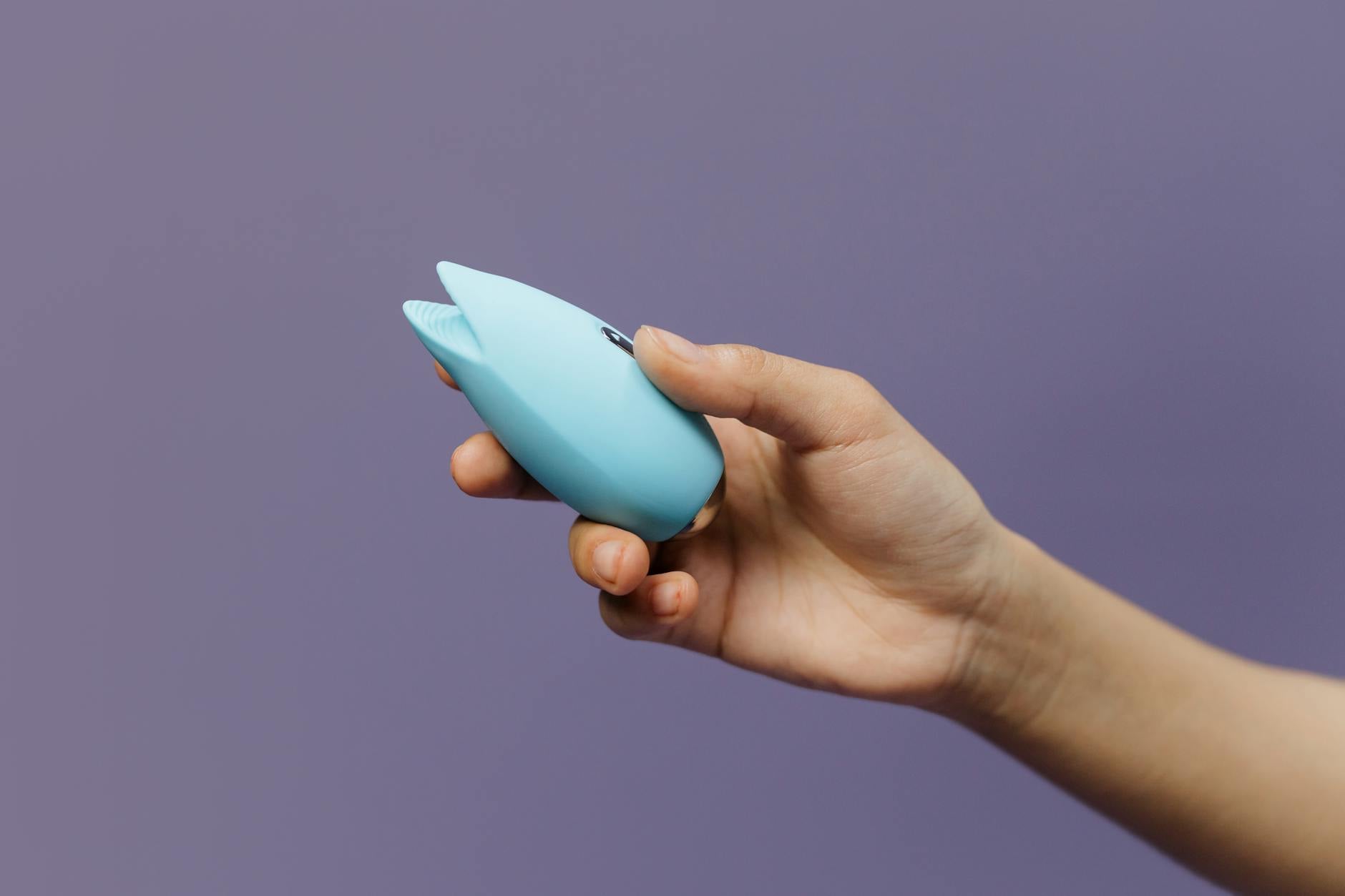
Then, if it feels right, explain what a lemon clitoral vibrator actually does. It's not a replacement for a partner. It's a different sensation entirely. A suction toy like the Lem works through gentle pressure and rhythm, which is completely different from what hands or other approaches offer. It's not better than your partner. It's just different.
If your partner is still hesitant, ask what the hesitation is. Is it about insecurity? Discomfort with the idea of toys in general? Worry about logistics or cleanup? Different concerns need different conversations.
Make it about pleasure for both of you
Here's what actually gets couples on board: showing them what's in it for them.
"I'd love for us to use this together. I want to see what you discover about my body. I want to watch you figure out what feels amazing." That's not about the toy fixing your pleasure. That's about both of you getting to be present and curious together.
If your partner is the kind of person who cares about making you feel good, they often get genuinely excited once they understand that a clitoral vibrator isn't a threat to their role. It's an expansion.
The data backs this up: partners who use suction toys or clitoral vibrators with someone often report higher satisfaction not just with that specific experience, but with the communication and vulnerability the whole conversation opened up.
Start small and collaborative
If your partner says yes, don't make the first time a big production. Don't surprise them with a toy already on the nightstand. That's not collaborative; it's unilateral.
Instead: "Let's go pick one out together." Even if that means looking at Hello Nancy's collection online. Even if your partner feels awkward doing it, being part of the choice matters. It moves the narrative from "you want this" to "we're trying this."
When you get it, treat it like any other thing you both bought together. Open it together. Read the instructions together. Let there be some lightness and humor about it. If your partner feels safe enough to laugh about the fact that this is a little weird, they're already more comfortable.
The conversation during, not before
Once you're actually using a lemon vibrator together, you might discover it opens other conversations. Maybe your partner wants to know what the suction feels like. Maybe you want to try a different intensity. Maybe you realize you like being watched. Maybe you learn something about yourself you didn't expect.
Those conversations are the real win. The toy is just the vehicle.
What if your partner says no
If they're not interested, that's valid. Don't push. But do ask why, because the "no" might not be about vibrators at all.
If they say "toys feel impersonal," you can explain that this is specifically something you want with them, using a tool together. That's the opposite of impersonal.
If they say "I feel weird about it," you can say "Okay. We don't have to. But if you ever want to talk about it more, I'm here." Then actually drop it. Let them sit with it without pressure. Sometimes the best yes comes after someone's had time to process their own insecurity.
If they say "no" and you really want to explore suction toys or clitoral vibrators, you have a bigger conversation on your hands about whether you're actually aligned on pleasure and exploration. That's worth having, but it's not a vibrator conversation. That's a relationship conversation.
Why this matters beyond the toy itself
What you're really doing in this conversation is teaching your partner that you can talk about what you want. You're modeling vulnerability without shame. You're saying "my pleasure matters, and so does feeling close to you." Those skills transfer to every other conversation you'll ever have.
Couples who can ask for what they want in bed are couples who can ask for what they want in life. They fight better. They feel less resentful. They stay connected longer.
So whether your partner is into lemon vibrators or not, the conversation itself is the prize. The toy just makes it easier to start.
FAQ
How do I know if my partner is secretly uncomfortable even if they said yes?
Pay attention to what they do, not just what they say. If they agreed but then seem distant, or if they rush through things, or if they don't make eye contact, your partner might be people-pleasing rather than genuinely excited. It's worth checking in. "You seem quiet. Are you actually okay with this, or was it just a yes to make me happy?" gives them permission to tell the truth without blame.
What if my partner wants to use the vibrator on me but I'm worried they'll feel hurt?
Talk about it explicitly. "If you use the Lem with me, that doesn't mean I'm not into you. It means I want to feel something new and I want you to see that." Then follow through. Make eye contact. Let them see you enjoy it. If the suction toy feels amazing, say so. Your authentic pleasure is reassurance.
Is it better to buy a vibrator together or surprise my partner with one?
Almost always better to buy together. It removes the assumption that you've already decided for both of you. It also makes the toy feel less like a secret or a workaround, and more like something you're both invested in exploring. Plus, your partner gets a say in color, size, and features, which matters more than you might think.
What if I want to try a lemon clitoral vibrator but my partner doesn't want me to use toys at all?
That's a values mismatch worth taking seriously. Your pleasure and your autonomy are non-negotiable. A partner who won't let you explore your own body is showing you something important about how they view your wants. You can have a conversation about why (insecurity, different upbringing around sexuality, genuine concern about something), but ultimately you get to decide what happens to your body, with or without their blessing.
How do I bring this up if we've never talked about sex or pleasure directly?
Start smaller. Before you mention a specific toy, have a conversation about pleasure in general. "I want us to feel more connected in this part of our relationship. I'm curious what would make it better for you." That opens the door without the toy being the first thing on the table. Once you've established that pleasure is something you can talk about, the vibrator conversation gets easier.
Should I promise it will feel a certain way, or manage expectations?
Manage expectations. Tell your partner that you're not sure what it will feel like yet, and that's the point. You're exploring. It might feel amazing or just "nice" or "not for us." That permission to find out rather than perform certainty takes a ton of pressure off both of you.
The real endgame
You're not introducing a vibrator to fix anything. You're introducing the conversation about pleasure as something you both get to have a say in. The lemon vibrator, the suction toy, the clitoral vibrator you choose, those are just tools. What matters is that you're building a partnership where both of you can ask for what you want and feel safe exploring together.
That's the intimacy that actually lasts.