The timing mismatch nobody wants to talk about
One partner is ready to go. The other partner is still thinking about the dishes. This isn't a dealbreaker, but it does mean someone's always compromising. The faster partner waits. The slower partner feels rushed. Neither of you gets what you actually need.
Here's what I see in my practice: couples with genuinely great chemistry still struggle with arousal desynchronization. It's not a sign you're incompatible. It's biology doing what biology does. But there's a reason lemon vibrators have become the quiet solution for this exact problem.
Why arousal speeds mismatch in the first place
Arousal isn't the same thing as desire. You can want someone desperately and still need fifteen minutes to physically respond. You can be wildly attracted and have a nervous system that warms up slowly. Conversely, you can be completely into someone and hit 80% arousal in three minutes flat.
This creates a timing squeeze. The faster partner gets bored waiting. The slower partner feels pressured, which makes arousal even slower. Pressure is basically arousal's natural enemy.
Research on couple sexuality shows that this mismatch is one of the top unspoken sources of tension. Nobody brings it up directly because it feels like a criticism. Instead, partners stop initiating. Sex becomes less frequent. The resentment compounds.
How a lemon vibrator changes the math
A lemon clitoral vibrator doesn't fix the mismatch. It does something better. It gives the faster partner something to do that feels connected instead of separate.
When one of you wants foreplay and the other wants penetration, a clitoral vibrator bridges that gap. The faster partner can use it on the slower partner without creating pressure. There's no "Are you ready yet?" There's just sensation.
Lemon vibrators specifically work here because suction feels collaborative. You're not just waiting for them to catch up. You're both engaged in the same experience. The slower partner gets unhurried stimulation. The faster partner gets to contribute and stay present. Sex happens on a timeline that fits both of you.
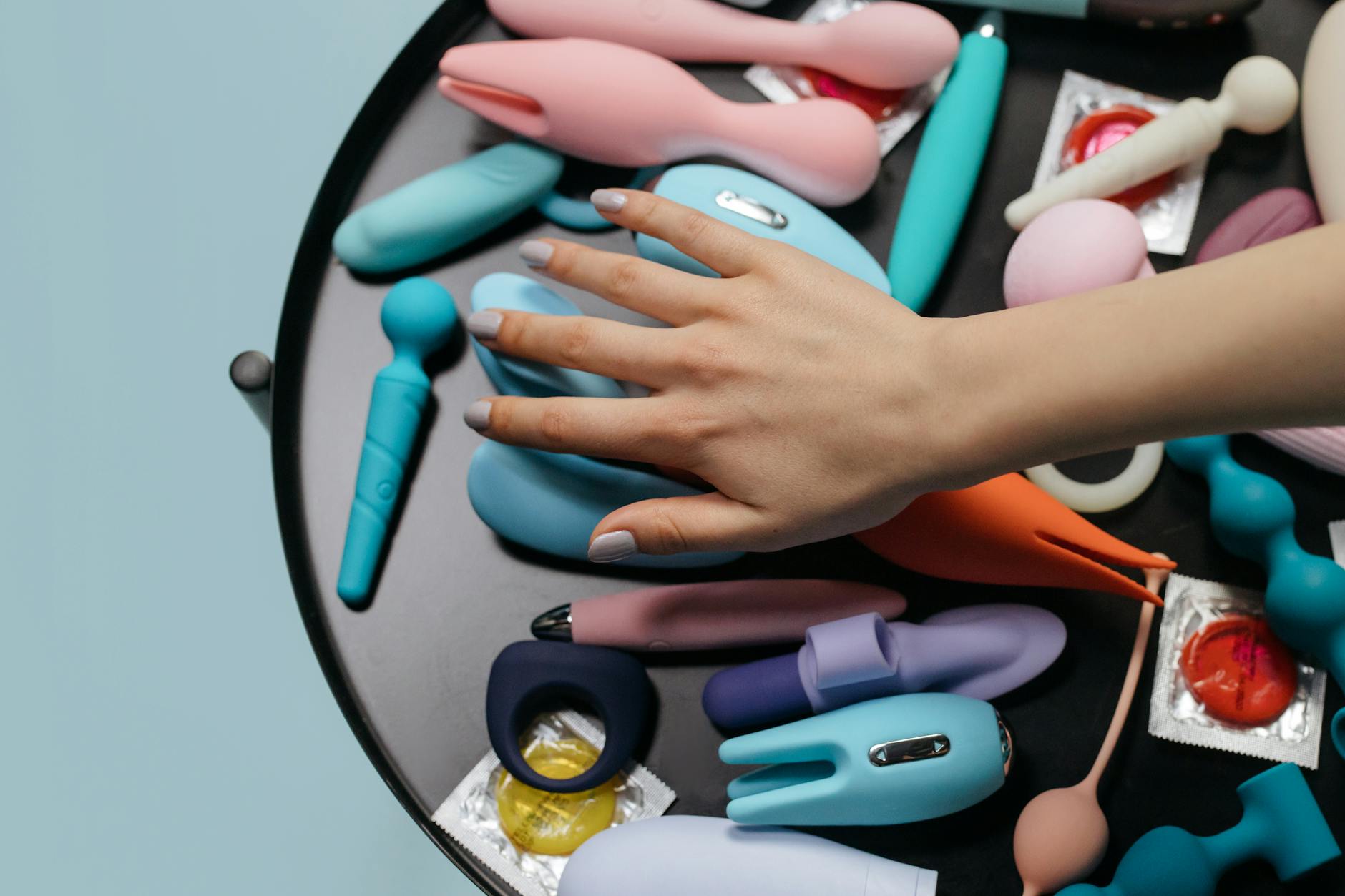
Photo by cottonbro studio on Pexels
The mechanics of using a lemon vibrator together when arousal speeds differ
If you're the faster partner, you can start using a lemon vibrator on your partner during foreplay while you're both still clothed or partially clothed. This keeps you engaged without rushing them. You're not doing something solo. You're building toward sex together.
Start on lower patterns. The slower partner needs time for sensation to register. Let them guide you on what feels good. This isn't about reaching an endpoint. It's about sharing the journey.
The key difference between a traditional vibrator and a lemon suction vibrator here is texture and pacing. Suction patterns create a rhythm that's almost meditative. Because suction doesn't rely on direct friction, your slower partner can stay with the sensation longer without oversensitivity kicking in. That means fewer stops and starts.
If you're the slower partner, you can ask for this kind of stimulation without feeling like you're taking too long. It's not a consolation prize. Suction vibrators often produce stronger, more focused pleasure than traditional vibration alone. You might find you're actually arriving faster than before, not because of pressure but because the sensation itself works better for your body.
Foreplay timing gets less tense when you have a plan
Here's a practical shift: instead of one partner doing foreplay while the other waits, foreplay becomes something you both navigate with intention. The faster partner focuses on sensations. The slower partner focuses on receiving without performance anxiety.
This sounds obvious, but the difference is real. Knowing that you have a lemon vibrator as part of your toolkit means foreplay isn't "Am I taking too long?" anymore. It's "What do we both enjoy?" That mental shift alone reduces friction.
Many couples report that introducing a clitoral vibrator into partnered play actually slows everyone down in the best way. The faster partner isn't rushing to the finish line. The slower partner isn't anxious about holding things up. You're both present in the same experience.
When arousal speed differences happen mid-session
Sometimes you start perfectly synchronized and then someone's focus slides. Energy drops. One person is still engaged and the other is checking out mentally. A lemon vibrator can reset that.
If you've both been going for a while and one of you is fading, you can introduce suction stimulation without starting the whole sequence over. It's a refresh button that doesn't feel like a negotiation. You're not saying "I need you to be more aroused." You're saying "Here's something I want to do with you."
This matters psychologically because it removes shame from arousal fluctuation. Of course attention drifts. Of course bodies respond unevenly. A lemon clitoral vibrator is just a tool that works with that reality instead of fighting it.
Communication patterns that help when arousal speeds don't match
The real work isn't about the vibrator. It's about what you talk about before you use it. Bring this up outside the bedroom first. "I've noticed I warm up faster than you do. I'd love to try using a vibrator together so we're both engaged during foreplay. What do you think?"
Frame it as collaboration, not criticism. You're not saying they're too slow. You're saying you want to share something that might work better for both of you.
During sex itself, stay quiet unless something's not working. Let the sensation speak. If you're using a lemon vibrator together, you don't need to narrate the experience. The physical feedback is doing the communication.
Afterward, a simple check-in: "Did that feel good? Want to do it again?" That's enough. You don't need to analyze the arousal timeline. You just need to know if both people felt connected.
The pleasure payoff when timing aligns
What I've seen repeatedly in my practice is that couples who solve the arousal mismatch problem stop seeing it as a problem at all. Instead, they discover that their different speeds actually create something interesting. The faster partner learns patience. The slower partner learns they don't have to rush. Sex becomes less about a race and more about texture.
Many couples find that using a lemon vibrator together actually extends their window for intimacy. Instead of sex happening in a compressed ten minutes where one person's just catching up, foreplay stretches to thirty minutes where both people are fully present. That's not lost time. That's richer time.
The suction sensation of a lemon clitoral vibrator also tends to create stronger arousal for most people, which means the slower partner often catches up faster than they would with fingers or a traditional vibrator alone. Suddenly the mismatch isn't as dramatic. Sex can happen on a timeline that feels natural to both of you instead of forced to either extreme.
FAQ
Should we introduce a lemon vibrator specifically to fix our arousal timing problem?
Not "fix." Introduce it as something you both might enjoy. If you frame it as a solution to a problem, it feels clinical. If you introduce it as something you want to explore together, it stays playful. The timing issue often resolves naturally once you're both having more fun.
What if my partner thinks using a vibrator means they're not enough?
That's a real fear and it needs addressing before you bring anything into the bedroom. Tell them directly: "You're incredibly important to me. I want to explore something that feels good for us both." A tool doesn't replace your partner. It enhances what you're already doing together. If your partner still has concerns, read through some of the resources on the Hello Nancy site about partnered vibrator use, or suggest having a conversation about it outside the bedroom.
Is a lemon vibrator actually better for couples than traditional vibrators?
For arousal mismatches specifically, yes. Suction patterns create a different sensation than friction-based vibration. Many people find suction takes longer to desensitize, which means the slower partner can enjoy continuous stimulation without numbness interrupting things. Traditional vibrators can work too, but lemon suction vibrators have a specific advantage here.
If I'm the faster partner, should I use the vibrator on myself while waiting for my partner?
You could, but partnered use tends to work better for addressing the mismatch. The whole point is staying connected instead of doing separate things. Using a vibrator together keeps you in the same experience.
How do we know which arousal speed is normal?
There is no normal. People warm up in thirty seconds or thirty minutes. Both are fine. The only thing that matters is whether you're happy. If arousal speed is creating frustration or resentment, then it's worth paying attention to. Otherwise, it's just your rhythm.
What if we use a lemon vibrator and the slower partner still takes forever to get aroused?
Then slower arousal is just how their body works and that's okay. A vibrator might help, but it won't change someone's fundamental arousal pattern. The real shift is in how you both think about timing. If you're both enjoying the process instead of watching the clock, the speed becomes irrelevant.
The bigger picture
Arousal mismatches are incredibly common and nobody ever talks about them directly. You just feel the tension and start avoiding sex. A lemon vibrator doesn't magically synchronize your bodies. What it does is give you a framework for foreplay that works better when two people operate at different speeds.
The real solution is deciding that different arousal timelines aren't a problem to solve. They're just how you're wired. A clitoral vibrator is just a tool that makes those different rhythms feel collaborative instead of combative.
If you're curious about how to introduce this into your relationship, start the conversation outside the bedroom. Keep it light. Frame it as "I want to try something that might feel good for both of us" rather than "We have a problem we need to fix." Most couples find that once they address the timing question explicitly, sex becomes less stressful and more connected. That's worth the small awkwardness of bringing it up.