The vibration you think you're getting isn't the vibration you're actually getting
Let's be real. Most people buy a clitoral vibrator expecting it to feel like something manual, but faster. A lemon vibrator, a lem vibrator, whatever you call it. Just... more efficient.
That's not what happens. And honestly, once you understand why, the whole experience shifts.

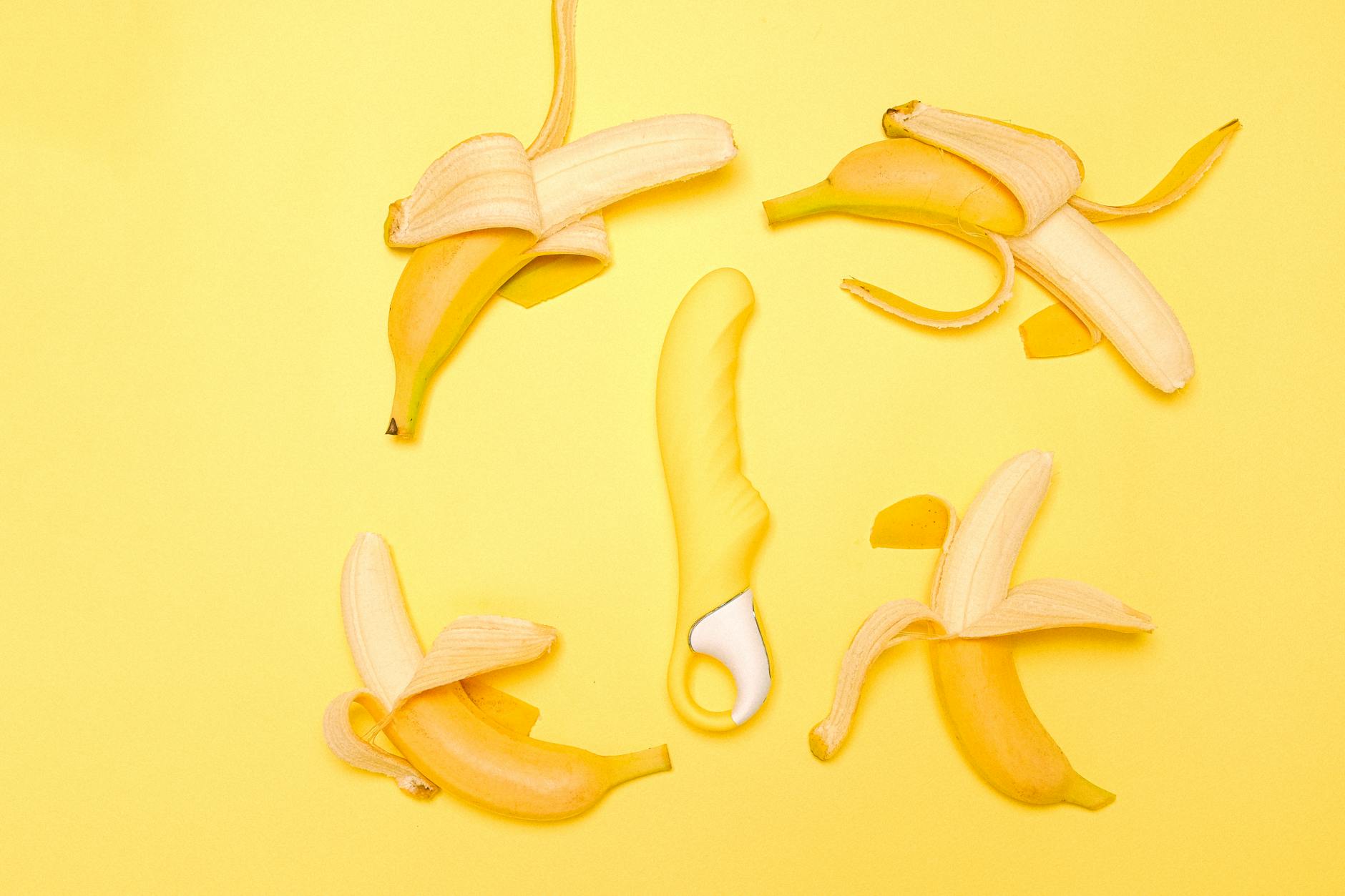
Photo by Madison Inouye on Pexels
How your body actually reads vibration
Your clitoris contains roughly 8,000 nerve endings packed into a structure smaller than a pea. Those nerves don't distinguish vibration the way your hand does. When you use a lemon sexual toy, you're not stimulating pressure points along a surface. You're triggering rapid-fire nerve signals that build and compound.
Here's the physics part made simple: a vibrator running at, say, 60 Hz sends 60 stimulation signals per second to your nervous system. Your brain doesn't process that as 60 separate taps. It processes the cumulative load. More signals, more neural activation, faster build toward orgasm.
Manual stimulation can't match that frequency. A partner's hand, even an enthusiastic one, moves maybe 2 to 3 times per second. A lemon clitoral vibrator moves dozens of times per second. That's a fundamental difference in input, not just a speed upgrade.
Why suction feels so different from vibration
A lemon sucker like the Hello Nancy lemon vibrator uses suction technology, which operates on a completely different principle than traditional oscillating or rotating vibrators. Instead of vibrating back and forth, it creates a gentle vacuum pulse against the clitoris.
That matters. Suction engages the clitoral tissue differently. It draws the clitoris slightly inward, stimulating not just the external surface but the internal structures that most vibrations miss. Many people report that suction feels less intense on the surface but reaches deeper, with a different quality of arousal building.
The sensation also tends to be more sustained. You're not feeling sharp vibrations. You're feeling rhythmic waves of pressure and release. Some people find this more comfortable, especially if direct contact usually feels too intense.
The surprise: intensity isn't the whole story
When people try their first clitoral vibrator, they often expect the highest setting to feel best. It usually doesn't. Turns out your nervous system needs calibration. Start too high, and you hit what feels like white noise. The signal becomes overwhelming rather than pleasurable.
Beginners on a lemon vibrator typically get better results starting at pattern 1 or 2, spending 5 to 10 minutes there, and only increasing intensity if the sensation plateaus. Your body needs time to tune into the frequency. Rush it, and you desensitize quickly.
This is one reason why devices like the Hello Nancy lem vibrator offer multiple settings. It's not just options. It's recognition that your nervous system changes throughout the experience. What feels perfect at minute three might feel wrong at minute eight.
The mental difference between solo and partnered use
I see a lot of couples worried that introducing a vibrator means the partner is "not enough." That's backwards. A lemon clitoral vibrator doesn't replace your partner. It changes the conversation.
When you use a vibrator solo, you're learning your own frequency. When you bring it into partnered sex, you're giving your partner information about what actually works for your body. That's collaborative, not competitive.
Many couples find that external vibration during partnered sex creates a different dynamic entirely. The partner isn't replacing their body with the toy. They're enhancing the experience while staying engaged. Some people combine a lemon sexual toy with hand stimulation or partnered touch elsewhere. Some use it while penetration is happening. The vibrator becomes part of the shared experience, not a substitute for it.
Why the shape of your vibrator actually matters
A lemon-shaped vibrator isn't just cute. The rounded, tapered design means the stimulation point is precise but not aggressive. Compared to a wand vibrator, which can cover a larger surface area, a lemon vibrator concentrates sensation into a smaller zone.
For people with sensitive tissue, that focus is often better. You're not vibrating the entire surrounding area, just the spot that needs it. For people who prefer broader stimulation, a wand-style toy might feel more accessible.
Shape also affects control. A lemon vibrator is small enough that you can angle it easily, move it slightly, or adjust pressure without changing your position. That matters for the pacing feedback loop. You stay more in control of the experience.
What happens when you combine vibration with other sensations
One of the biggest revelations for most people is that vibration doesn't work in isolation. Add warmth, touch from a partner, mental focus, or even a specific rhythm of breathing, and the vibrator's effect multiplies.
This is why so many people use a lemon clitoral vibrator during partnered sex rather than solo. The combination of vibration plus contact with a partner's body plus emotional presence creates a different neurological state. You're not just getting more stimulation. You're activating multiple pleasure pathways at once.
Think of it like music. A single instrument is fine. Add a second instrument in the right key, and suddenly the whole thing resonates differently. Vibration plus touch plus attention plus breath equals something qualitatively different than vibration alone.
Common surprises people mention
After working with couples and individuals exploring pleasure, I've noticed patterns in what surprises people most about clitoral vibrators:
First, that lower settings often feel better than maximum power. Everyone expects to crank it to 10 and feel incredible. Usually the opposite happens.
Second, that placement matters more than motion. A stationary lemon vibrator held in exactly the right spot can feel better than one that's moving around constantly.
Third, that fatigue is real. Your nervous system can hit a wall where more stimulation doesn't feel better, just different. Taking a break and coming back often gets you further than powering through.
Fourth, that the psychological component changes everything. Shame, distraction, or performance pressure can override pure physical sensation. Remove those, and a vibrator you thought wasn't working suddenly works beautifully.
How to actually use a vibrator without overthinking it
Here's the practical framework I share with people new to lemon sexual toys:
Start with intention, not expectation. You're not aiming for orgasm. You're exploring sensation. That shift alone changes the experience.
Begin at a low setting. Seriously. Pattern 1 on a lemon vibrator should be your entry point, not a fallback option. Spend at least 5 minutes there before considering a change.
Move slowly if you move at all. Most people use vibrators in quick, repetitive motions. Try holding it still against the most sensitive spot. You'll likely be surprised.
Pay attention to your breath. When people approach pleasure, they often hold their breath or breathe shallowly. Slow, deep breathing changes how sensation registers. Your nervous system is already in sympathetic overdrive during arousal. Adding breathwork anchors the experience and usually intensifies sensation.
Save experimentation for later. Your first time with a lem vibrator, use it the simple way. Once you know what baseline pleasure feels like, then you can explore combinations, settings, and timing.
FAQ
Is a clitoral vibrator supposed to feel tingly or numb?
Neither, exactly. A clitoral vibrator should feel like pleasant stimulation that builds over time. If you're numb, the setting is too high or you started too intensely. If it's just tingly without building sensation, you might need to wait longer for arousal to develop, or experiment with a different intensity level. Numbness is usually a sign to dial back and give your tissue time to recover.
Why does my vibrator feel too intense even on the lowest setting?
A few reasons. Sometimes you need more arousal first. Your clitoris becomes less sensitive to intensity as blood flow increases and arousal deepens. Other times, the vibrator genuinely isn't a good match for your body. Some people prefer suction-based toys like a lemon sucker over traditional vibrators because the sensation feels less sharp. Try a few minutes of partner touch or manual stimulation before using the vibrator.
Can you use a lemon vibrator during partnered sex?
Absolutely. A lemon clitoral vibrator is actually one of the easier toys to incorporate during partnered penetration. The compact size means your partner can hold it, or you can position it yourself. Many couples find that external vibration during penetrative sex creates a sensation neither partner can achieve alone. Communication about placement, intensity, and pacing makes it work smoothly.
Why do I feel desensitized after using a vibrator?
Your nervous system adapts. The same frequency of stimulation that felt amazing for the first 10 minutes starts to feel less intense by minute 15 or 20. This is normal and temporary. Taking a break usually resets it. Alternating between different vibrators or different patterns (instead of staying on one setting the whole time) also helps prevent desensitization during a single session.
Is there a difference between a lemon vibrator and other clitoral vibrators?
Design and technology vary. A lemon-shaped vibrator tends to offer precise stimulation in a focused area due to its tapered shape. Some use traditional vibration, while others like Hello Nancy's lemon vibrator use suction technology. The best choice depends on your preference for sensation intensity, whether you prefer broad or targeted stimulation, and whether you value portability. Starting with a well-designed toy from a brand that prioritizes quality and safety is more important than the exact shape.
How long should you use a clitoral vibrator?
There's no set time. Some people orgasm in 5 minutes. Others take 20 or 30, especially when using a vibrator for the first time or when arousal is lower. Listen to your body. If sensation plateaus and doesn't build further after 15 to 20 minutes, take a break. Coming back to it later often works better than pushing through fatigue. Solo sessions can last as long as feels good. During partnered sex, communication about comfort and readiness is key.
What you actually need to know
Clitoral vibrators work differently than fingers because they operate at frequencies your hand can't match. A lemon vibrator or any well-designed clitoral vibrator isn't faster manual stimulation. It's a different input entirely, and your nervous system responds accordingly.
Start low. Pay attention. Give yourself time. Those three things change almost everything about the experience. Your body knows what it needs. The vibrator is just a tool that helps you access it. If you're curious about exploring, that's reason enough. Pleasure doesn't require justification.