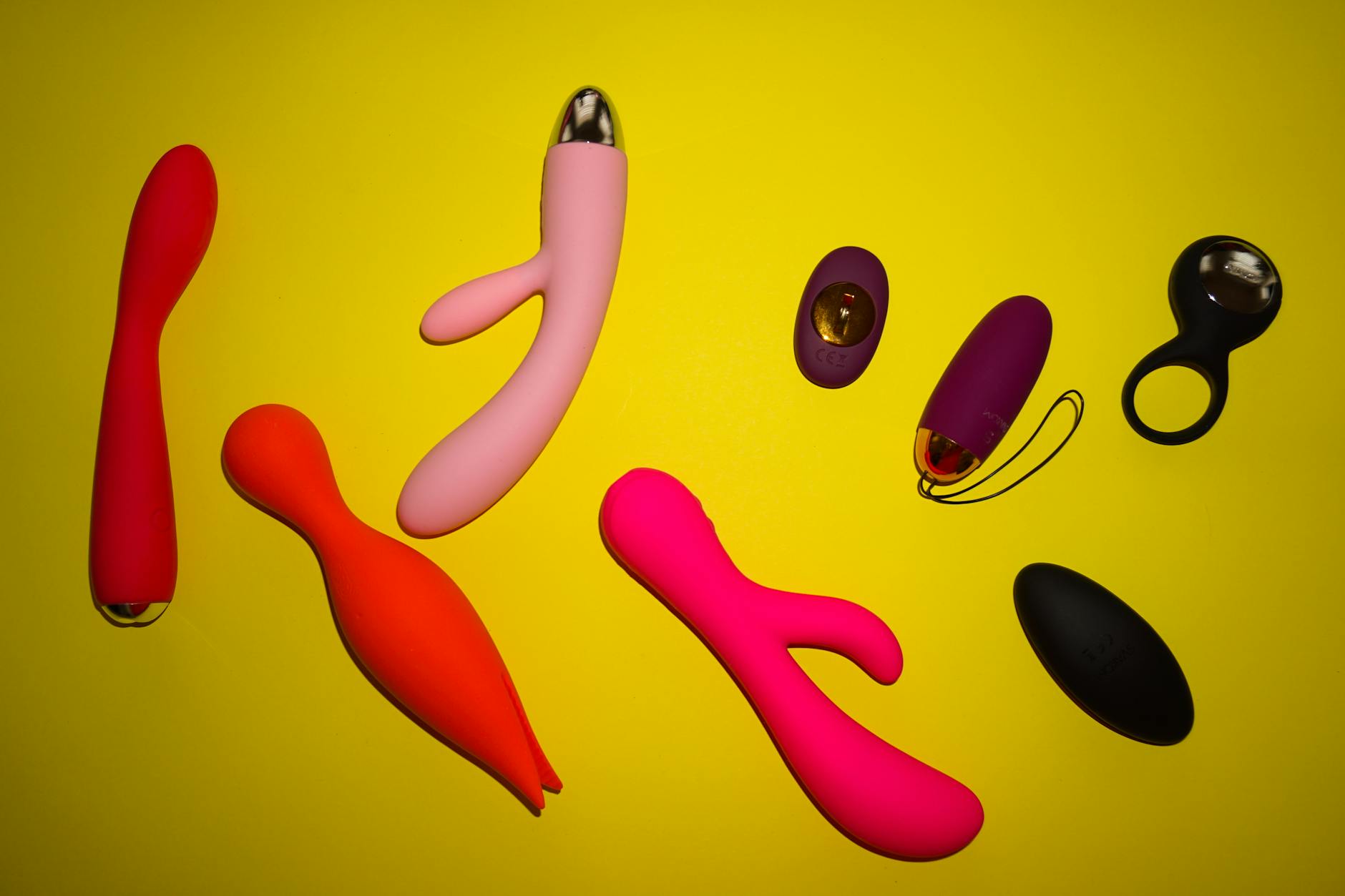
Here's the thing no one tells you about hormonal sensitivity
Your clitoris is not a fixed target. It changes size, engorgement, and sensitivity throughout your cycle. And if you're someone whose hormones fluctuate significantly, those changes can be dramatic enough that what felt amazing last week feels overwhelming this week.
This isn't dysfunction. It's biology. But it's also why the wrong toy at the wrong time can feel sharp, uncomfortable, or just flat-out wrong.
The good news? Lemon vibrators and other air-suction clitoral vibrators are designed specifically for this problem.
How hormones actually change your clitoris
Your clitoris has thousands of nerve endings and a complex vascular system. Both respond to hormone shifts. Here's what happens.
During the follicular phase (first half of your cycle), estrogen rises. This increases blood flow to the clitoris, making it more engorged and more sensitive. The tissue thickens slightly. More sensation reaches those nerve endings. For some people, this means heightened pleasure. For others, it means the clitoris becomes too sensitive to direct touch.
During the luteal phase (second half), progesterone rises and estrogen drops. The clitoris becomes less engorged. The tissue thins. Sensitivity often decreases, but so does the likelihood of sharp, overwhelming sensations. Some people find this phase easier to orgasm in. Others find it takes longer to build arousal.
Then there are other factors: hormonal birth control suppresses these natural shifts entirely (which is why some people on the pill notice their orgasms feel different or muted). Perimenopause brings wildly unpredictable swings. Medications like antidepressants can blunt sensation overall. Stress hormones like cortisol can suppress arousal pathways entirely.
The pattern is clear: a rigid toy at maximum intensity works beautifully for maybe half your cycle, and feels punishing the other half.
Why air-suction vibrators feel different on sensitive tissue
Traditional vibrators work through rapid percussion or rotation. They create direct, continuous stimulation that works well on desensitized tissue or when you want intense, predictable sensation.
But when your clitoris is already engorged and hypersensitive, that direct friction can feel sharp or even painful. It's the same reason some people can't wear certain fabrics during certain points in their cycle.
Lemon vibrators and other clitoral suckers use a different mechanism. Instead of vibrating against tissue, they create a gentle suction that stimulates the entire clitoral complex, including the internal portions you can't see. This approach:
- Distributes pressure across a wider area instead of concentrating it on one spot
- Creates a pulsing sensation that many find easier to control and modulate
- Doesn't require direct friction, so thinner or more sensitive tissue doesn't get irritated
- Allows you to use lower intensity settings and still feel satisfied
For people with hormonal sensitivity, this matters enormously. You can use the same lemon clitoral vibrator on day 10 of your cycle (high sensitivity phase) at setting 2, and on day 20 (lower sensitivity phase) at setting 4 or 5. The toy doesn't need to be as intense because the design is gentler by default.
The intensity trap (and how lemon vibrators avoid it)
Here's where most people get stuck: they buy a powerful vibrator, it works brilliantly for a few days, then suddenly feels awful. They assume something is wrong with them. They switch toys. The new toy feels great for a week, then sucks.
The problem isn't the person. It's that they're using a device designed for one intensity level on a body that changes intensity tolerance constantly.
Traditional lemon adult toys and clitoral vibrators often come with 3 to 5 intensity levels, but they're all relatively strong. A level 1 on a high-powered vibrator can still feel intense.
Lemon vibrators, by contrast, often have a much wider range. The lowest settings are genuinely gentle. This means you can use the same device throughout your entire cycle without needing to switch. High sensitivity day? Level 1 or 2. Normal sensitivity? Level 3 or 4. Lower sensitivity day? Crank it to level 5 or 6.
This consistency matters more than people realize. When you use the same tool regularly, your body calibrates to it. You learn how much pressure you like, what pattern feels best, what warm-up time you need. That learning is hard to transfer between devices.
Hormonal birth control, HRT, and what changes
If you're on hormonal birth control, your clitoris isn't cycling at all (or cycling much more subtly). This is why some people report their pleasure patterns completely shift when they start or stop the pill, patch, or ring.
For people on birth control, the intensity consistency of a lemon clitoral vibrator is less critical, but the gentleness is still valuable. Many people on hormonal contraception report that their natural lubrication decreases slightly and their clitoris becomes more sensitive to direct friction over time. Air-suction toys handle both of those changes gracefully.
Similarly, if you're on hormone replacement therapy (whether for menopause or transition support), your sensitivity landscape is changing again. HRT typically increases clitoral sensitivity and engorgement by restoring estrogen. This is wonderful, but it also means you might need to dial back intensity on toys you've been using for years. A lemon vibrator's wide range lets you do that without buying a new device.
Stress, cortisol, and the hormonal sensitivity no one talks about
It's not just sex hormones. Stress hormones matter too.
When cortisol is high (thanks to work stress, sleep deprivation, relationship tension, or just living in 2026), your nervous system sits in a more defensive posture. Blood flow prioritizes survival over pleasure. Your clitoris becomes harder to arouse. Sensation feels duller. You might need more intensity to feel anything at all.
But here's the thing: the more you push for intensity during high-stress periods, the more fatigued your nerve endings become. You end up chasing sensation instead of enjoying it.
A lemon vibrator's gentle, suction-based approach is actually better suited to stressed-out nervous systems. The pulsing sensation is calming rather than demanding. Lower settings can still feel satisfying. You're not fighting your body's stress response. You're working with it.
Once your stress drops and cortisol normalizes, you might not need that same intensity anymore. That's not a sign your toy broke or your body is broken. It's a sign your nervous system is recovering. Which is good. And a tool with a wide intensity range accommodates that shift without frustration.
What to look for in a lemon vibrator if you have hormonal sensitivity
Not all lemon vibrators are created equal. Here's what matters:
Multiple intensity settings (at least 5). The more granular your control, the better. This lets you dial in exactly what your body needs that day.
Low starting intensity. Test the lowest setting before you buy (or check reviews). It should be noticeably gentle, not just "less intense."
Pulsing options, not just steady. Some lemon suction vibrators offer different pulse patterns in addition to intensity. These give your nerve endings variety, which prevents the dulling that happens with repetitive sensation.
Body-safe silicone. Non-porous materials prevent bacterial buildup, which matters because hormonal shifts can change your pH and make you more prone to irritation.
Water resistance. You might want to use it during a bath or shower, especially if you have a partner and need privacy. Plus, cleaning is easier.
If you're shopping for your first lemon vibrator or upgrading from a traditional vibrator, the Lem is designed with this exact thinking: gentle starting points, wide intensity range, and a suction design that works across your entire cycle rather than forcing you to adjust toy strategy.
How to actually use a lemon vibrator when hormones shift your sensitivity
Start with the lowest setting. Seriously. You can always go up. Desensitizing your clitoris by starting too high is the opposite of what you want.
Warm up longer during high-sensitivity days. Let your body ease into pleasure instead of jumping straight to the tool. This might mean 10 to 15 minutes of foreplay or external touching before you even introduce the vibrator.
Pay attention to your cycle (or your stress levels, or your medication timing). Notice whether certain days feel different. This isn't obsessive. It's data. Over a month or two, you'll see patterns. Once you know your patterns, you can adjust your intensity preemptively instead of reacting to discomfort.
If you're partnered, talk about this. "Days 10 through 15 I'm more sensitive" or "When I'm stressed I need gentler stimulation" aren't sexy topics, but they're functional. Your partner can meet you where you are. And a tool with a wide intensity range means you're not asking them to change their behavior. You're just adjusting the tool.
The bigger picture: hormonal sensitivity isn't a problem to fix
The cultural message is that your body should perform consistently. Constant desire. Constant orgasm capacity. Constant intensity preference. That's fiction.
Your body changes. That's not a malfunction. It's information. And when you have a tool that's designed to respond to that changing landscape instead of demanding your body stay static, pleasure becomes more reliable and a lot less frustrating.
A lemon clitoral vibrator isn't a workaround for hormonal sensitivity. It's an alignment with it. It works with your body's natural shifts instead of against them.
People also ask
Why does my clitoris feel more sensitive during certain times of my cycle?
Hormone fluctuations drive blood flow and tissue thickness. During the follicular phase when estrogen peaks, your clitoris becomes more engorged and more sensitive. During the luteal phase when estrogen drops, it becomes less engorged and sensitivity typically decreases. This is completely normal. It's why the same vibration setting might feel perfect one week and overwhelming the next.
Can hormonal birth control affect how lemon vibrators feel?
Yes. Hormonal contraception suppresses the natural hormone cycle, so your clitoral sensitivity stays relatively steady. But many people on birth control report decreased natural lubrication and increased clitoral sensitivity to friction over time. This is why the gentle, friction-free suction design of a lemon vibrator works particularly well for people on the pill or patch.
What's the difference between a lemon vibrator and a regular vibrator for sensitive tissue?
Traditional vibrators use percussion or rotation against tissue, which concentrates sensation. Lemon vibrators and air-suction toys create a gentler pulsing suction that distributes pressure across a wider area and doesn't rely on friction. For hormonal sensitivity, this design is usually easier on tissue and more controllable. You can also typically use lower intensity settings and still feel satisfied.
Does stress affect my clitoral sensitivity?
Absolutely. High cortisol suppresses blood flow to pleasure tissues and puts your nervous system in a defensive posture. This makes sensation feel duller and arousal harder to build. You might find yourself chasing intensity instead of enjoying gentle touch. Lower-intensity, calming tools like lemon vibrators are often better suited to stressed periods than high-powered devices.
Should I adjust my lemon vibrator settings based on my cycle?
Many people do. If you notice your sensitivity pattern, you can adjust intensity proactively. High-sensitivity days might call for level 1 or 2. Mid-cycle or lower-sensitivity days might feel better at level 4 or 5. This isn't required, but it can make pleasure more consistent throughout your cycle without needing multiple toys.
Can I use a lemon vibrator if I'm on HRT or antidepressants?
Yes. HRT typically increases clitoral sensitivity and engorgement (which is great), but it might mean you need lower intensity than before. Antidepressants often decrease sensation overall, which might mean you eventually want higher intensity. Either way, a lemon vibrator's wide intensity range lets you adjust without replacing the device. Always talk to your doctor if you're concerned about medication side effects on pleasure.
If hormonal sensitivity is affecting your pleasure and you want to explore a tool built for this specific challenge, we're here to help. Reach out at /contact or check out our full range of clitoral vibrators. Your pleasure deserves to be consistent across every week of your cycle.