The advantage nobody talks about
Honestly? Starting with a clitoral vibrator at 40, 50, or 60 is an actual superpower. You know your body better than you ever did at 25. You're less likely to care what a partner thinks. You have the income to buy something good instead of settling for the drugstore option your college roommate recommended. And you've probably read enough articles to know that pleasure isn't frivolous—it's part of health.
The catch is that most guides to choosing your first vibrator are written for people in their twenties, which means they're full of noise about aesthetics and fantasy, not practicality.
Let's fix that.
What actually matters: the four questions to ask
Question 1: Do you want external stimulation only, or internal too?
Clitoral vibrators focus on external pleasure. If you want internal stimulation, you're looking at a different category. If you're starting out and you're unsure, begin with external. The clitoral orgasm is often more intense and more reliable, especially if you've never explored this deliberately before. You can always add internal tools later once you know what your body likes.
Question 2: Do you prefer broad, diffused sensation or focused intensity?
This is where device shape really matters. A lemon vibrator or broader head (like many clitoral vibrators) distributes stimulation across a wider area. This feels gentler and works well if you're sensitive or if you've never used a vibrator before. Air-suction devices create a pulsing sensation that feels different from traditional vibration. Some people find this more intense. Some find it life-changing. The only way to know is to try something and adjust from there.
Question 3: How loud does it need to be?
If you share a home, a partner, or thin walls, vibrator sound matters. Small, powerful vibrators often buzz louder than larger ones with the same power. If silence is important, look for reviews that mention noise level. A quiet device isn't a luxury—it's privacy.
Question 4: What's your grip situation?
Arthritis, reduced hand strength, or just the reality of holding something for 15 minutes—this affects which vibrator will actually work for your body. Look for ergonomic handles, wide bodies that don't require a tight grip, or lightweight options if arm fatigue is a real issue. A beautiful vibrator you can't hold is useless.
The types of clitoral vibrators, honestly ranked for beginners
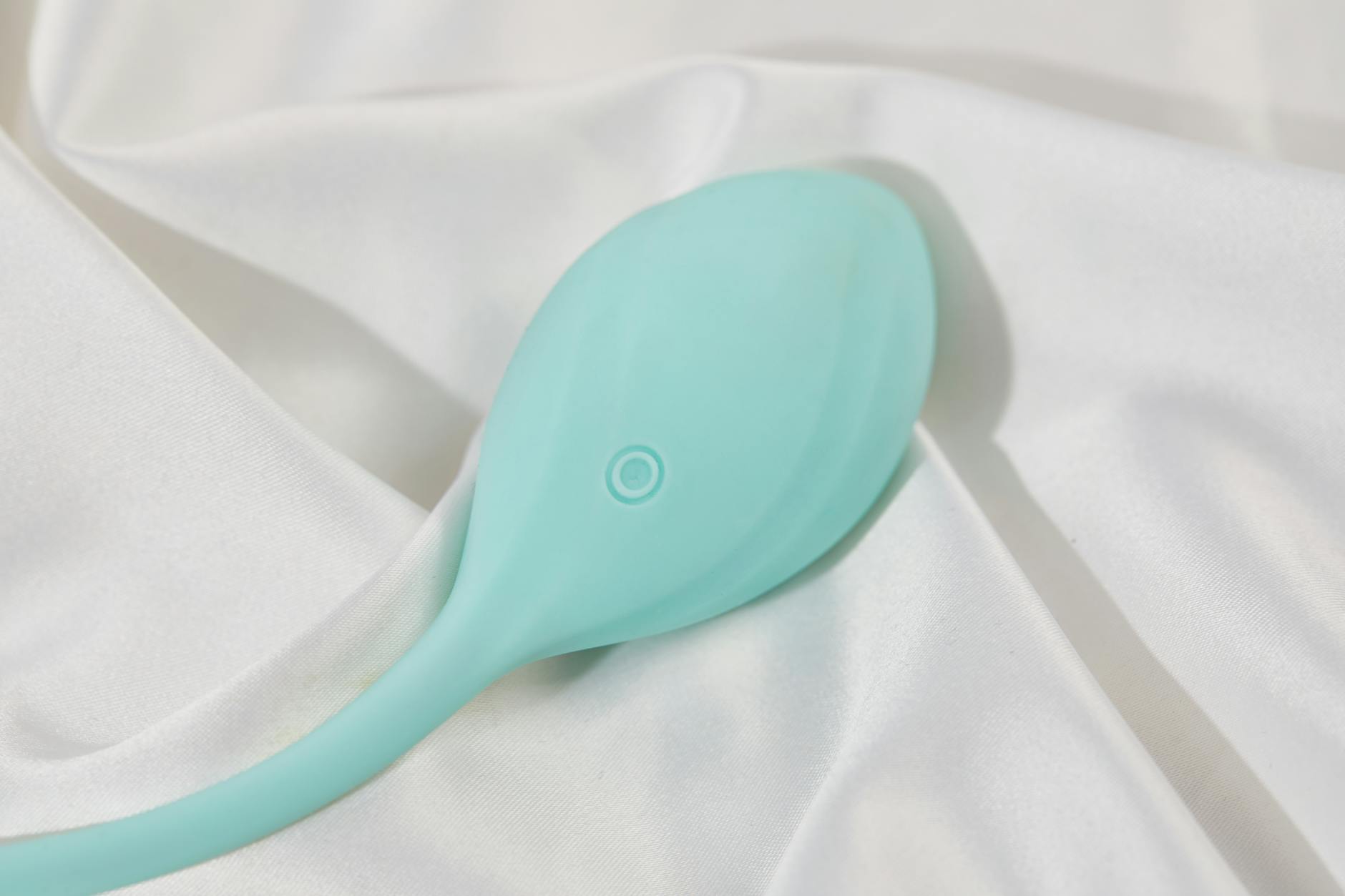
Air-suction vibrators (the Lem-style lemon clitoral vibrator).
These work by creating a pulsing suction sensation over the clitoris rather than direct vibration. The learning curve is real: it takes two or three sessions to figure out the right position and pressure. But once you do, many people report more intense orgasms than they've ever had. Start on the lowest setting and move up. Don't expect magic the first time.
Traditional wand vibrators (broad head, strong motor).
These are the workhorse of the vibrator world. A broad head means you're not pinpointing intensity on one spot, so they're usually comfortable for longer use. They're also loud, they require a decent grip, and they're not subtle. But they work. Most people who say "vibrators have never done anything for me" have never actually tried a good wand.
Compact bullet or egg vibrators.
Small and quiet, but usually lower power. If you're looking for "just a little something," this is the entry point. If you're looking for a full orgasm, you might get frustrated. These work better as additions to partnered sex or as arousal tools, not standalone devices.
Flickering or tapping vibrators.
Some newer devices simulate a tapping or flicking motion rather than steady vibration. This mimics manual stimulation. They're growing in popularity and worth exploring if you know you like the feeling of a partner's fingers rather than continuous vibration.
The specs that matter (and the ones that don't)
Waterproof? Yes, please. Not for bath play (though that's fun). For easy cleanup after use and washing before storage.
Rechargeable vs. battery. Rechargeable is better long-term unless you hate charging small electronics. Older battery-only vibrators often run weak as batteries die. Rechargeable means consistent power every time.
Material. Medical-grade silicone is the standard. It's non-porous, easy to clean, and lasts forever. Some vibrators use TPE, which is fine but lower quality. Glass or stainless steel are also excellent, though heavier. Avoid anything labeled as PVC or rubber.
Vibration pattern variety. More patterns sound like more options until you realize you use one and ignore the rest. Most people stick with one or two patterns they love. Don't pay premium prices for 20 patterns you'll never use.
App control or remote. Fun for partnered play. Pointless for solo exploration. Decide based on your actual life, not marketing promises.
Intensity levels. Having 10 levels matters more than having 10 patterns. You want to start low and increase gradually, especially the first few times.
Price and the hidden math
You don't need to spend $200 on a vibrator. A solid entry-level device from Hello Nancy costs $65 to $89, works brilliantly, and lasts years. Premium devices ($120+) often add aesthetics, smart features, or slightly better motors. If you're starting out, buy the $89 option, use it for six months, and upgrade later if you want something different.
The false economy is the cheap drugstore option ($15–$30) that breaks in three months. You'll spend more replacing it than buying quality once.
How to actually use it the first time (and not panic)
Settle in somewhere private and comfortable where you're not worried about interruption. Give yourself 30 minutes, not 5. Start with the vibrator off and just explore how it feels in your hand and against your body. No pressure to orgasm. That's not the point of the first time.
When you turn it on, start at the lowest setting. Yes, the lowest. You can always increase. Touch the vibrator to your clitoris indirectly at first—through your underwear or by stimulating the area around it rather than the clitoris itself. The clitoris is sensitive, and what feels incredible at full intensity feels awful if you're not warmed up yet.
Movement matters. Some people apply steady pressure. Others move the vibrator in small circles or up and down. Experiment. If nothing happens in 15 minutes, that's completely normal. Stop, breathe, try again tomorrow. Orgasm isn't the metric of success the first time. Comfort and curiosity are.
![A hand holding a vibrator against a colorful background]](/images/pexels-images/5871215.jpg)
Photo by cottonbro studio on Pexels
Common beginner mistakes
Starting at high intensity. It's overwhelming and makes you think vibrators "don't work for you." They work. You just started at level 8.
Expecting it to feel exactly like partnered sex. It won't. It feels different. That's not bad, it's just... different. Give yourself permission to like it differently.
Stopping too soon. Some people need 20 to 25 minutes the first time. That's normal. Your body is learning a new sensation. Patience.
Overthinking the orgasm. If you focus entirely on reaching climax, you'll feel tension, and tension blocks sensation. Focus on the feeling itself, not the destination.
The role of partnership (if there is one)
If you're in a relationship and you've decided to explore this, the conversation matters. A simple "I want to explore my own body more, and I'm going to try a vibrator" is enough. You don't need his permission. But partnership involves some communication.
Some partners want to be involved. Some don't. Some feel insecure initially. That's solvable with a short conversation: "This is for me. It doesn't replace anything we do together. It's an addition." Most partners, once the initial awkwardness fades, think it's fantastic.
When to reconsider
If you have pain during or after vibrator use, stop and talk to a doctor. Pain isn't a sign you're doing it wrong—it's a sign something needs attention. Pelvic floor tension, tissue sensitivity, or underlying conditions can all cause pain, and they're all treatable.
If you have absolutely no sensation or response after a month of genuine exploration (warm-up, low intensity, 20+ minutes), it might be worth talking to a therapist or doctor. Sometimes sensation issues are physical. Sometimes they're emotional. Either way, you deserve support figuring it out.
Why now is actually the perfect time
You're not catching up. You're starting fresh at an age when you know yourself, you're not performing for anyone, and you understand that pleasure is part of a full life. That's not late. That's exactly on time. A lemon vibrator or any quality clitoral vibrator from Hello Nancy is a tool to explore on your terms. No shame, no rush, no pressure to be anyone other than yourself.
Read more about why clitoral vibrators feel different than you expect to deepen your understanding of sensation and response.
Frequently asked questions
Can you actually get addicted to a vibrator?
No. Your body doesn't develop physical dependence on vibrators. Some people worry that using a vibrator will change how they experience partnered sex. It might—usually in positive ways, like knowing your body better and being able to communicate what works. But "addiction" isn't real in this context. Your nervous system isn't rewiring in a way that makes other sensations impossible.
Will a vibrator make partnered sex feel boring?
Actually, the opposite often happens. When you know what you like—because you've explored on your own—partnered sex becomes better. You can communicate preferences. You can guide a partner toward what works. You're not waiting passively for something to happen. That's more fun for everyone.
Is it weird to use a vibrator with a partner?
Not anymore. Lots of people incorporate vibrators into partnered sex. Some partners use it on you. Some you use on yourself while your partner does something else. The novelty fades quickly, and then it's just another tool in the toolbox.
What if I can't afford the nicer vibrators?
Start with one of the solid mid-range options from Hello Nancy—$65 to $85 gets you quality and reliability. After a few months of use, you'll know exactly what you want to upgrade. Spending less upfront and upgrading later is smarter than buying a premium device that turns out not to be your preference.
Should I tell anyone I have a vibrator?
Absolutely not unless you want to. This is yours. If you're in a relationship, sharing is personal preference. If you're single, it's nobody's business but yours. Keep it in a drawer with the same privacy you'd keep any personal item.
How do I clean it and store it?
Wash it with warm water and mild soap before and after use. Store it in a cool, dry place—not in direct sunlight. Keep it in a drawer if privacy is a concern, or in the original packaging. Silicone toys last for years with basic care. Avoid silicone lube (it can degrade some silicones), and stick to water-based lube if you're using lubricant.
The real bottom line
Choosing your first clitoral vibrator at 40 or beyond isn't brave or daring. It's practical self-care. You deserve pleasure that works for your body. A quality device from Hello Nancy—whether it's a lemon vibrator or another style—is a tool to explore what feels good. No performance, no timeline, no one else's expectations. Just you and your body discovering what's possible.
If you have questions about which option suits you best, reach out. That's exactly what we're here for.