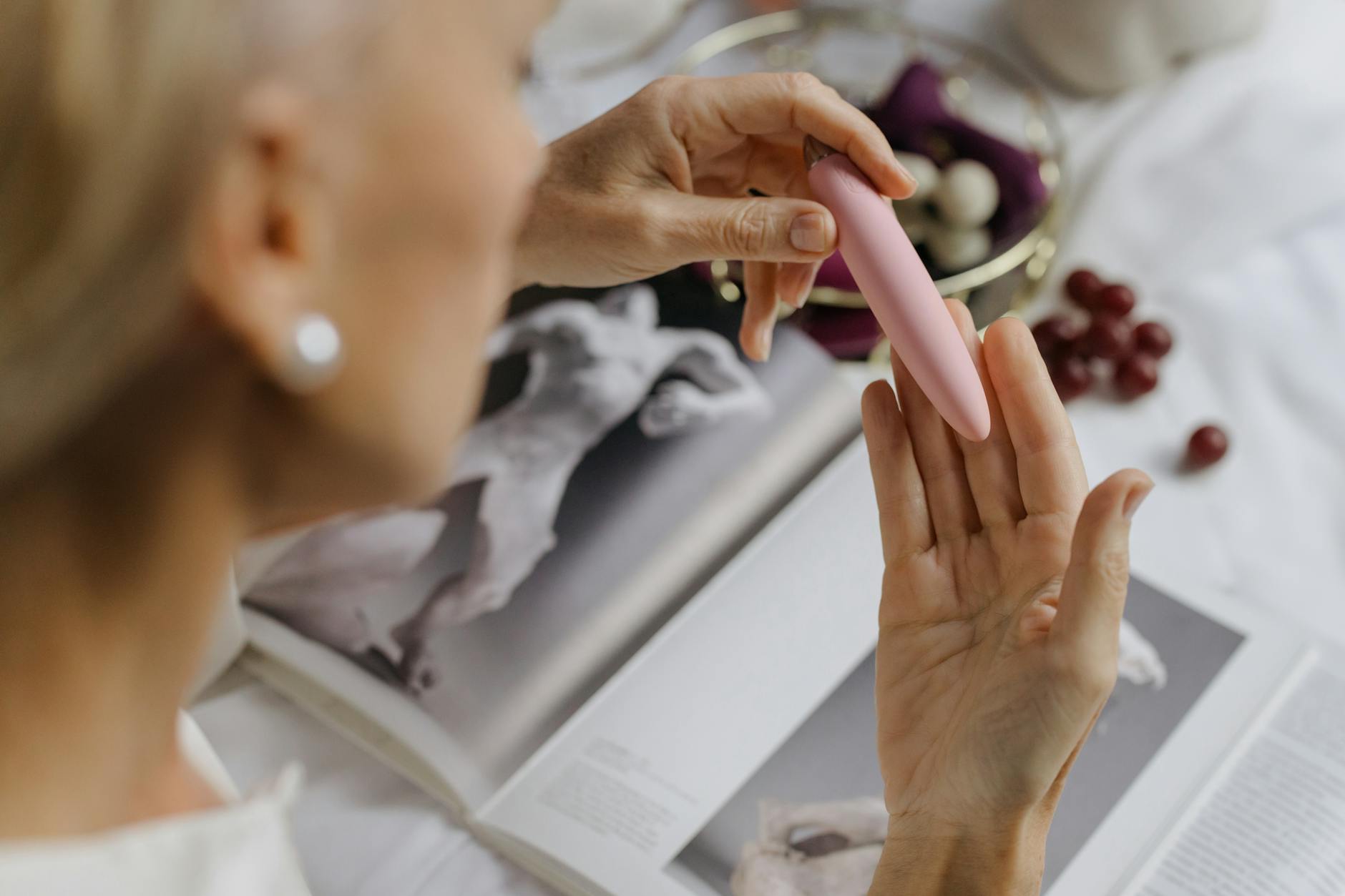
The nervous system reason why stress kills desire
Here's the thing about relationship conflict: it doesn't just hurt your feelings. It triggers your sympathetic nervous system (the fight-or-flight branch) and keeps it activated. When you're stuck in stress mode, your body physically cannot access arousal. Your brain is scanning for threats, your cortisol is elevated, and your blood is shunted away from your genitals and toward your muscles.
You're not broken. You're not low-libido. You're just stuck in survival mode.
The gap between conflict and desire is real and measurable. Couples therapists see it constantly: the moment intimacy becomes available again (after an argument resolves, after a productive conversation, after time), desire doesn't automatically snap back online. Your nervous system needs permission to shift out of alert status. That's where a lemon clitoral vibrator comes in. It's not a magic fix, but it's a biological shortcut to reset arousal when stress has wired you shut.
Why clitoral stimulation works faster when you're stressed
Clitoral vibrators like the Lem work on a simple principle: they bypass the cortex (the thinking part of your brain) and talk directly to your nervous system through sensation. When you're stressed, your mind is running loops about the conflict, the distance, whether things are really okay. Vibration interrupts that loop. It gives your nervous system something more compelling to process than worry.
The clitoris has roughly 8,000 nerve endings concentrated in a tiny space. A vibrator like a lemon sucker uses air-pulse technology to stimulate those nerves without the pressure of friction. For someone whose arousal is already dampened by stress, this gentler entry point matters. You don't have to "work yourself up" into desire. The sensation does part of that work for you.
Here's the counterintuitive part: when you're stressed, you might think you need to wait until you feel desire before you touch yourself. Actually, the reverse is true. Strategic, low-pressure self-pleasure can create the conditions for desire to return.
Starting when you don't feel like it
This is the biggest barrier people hit. You don't want sex. So why would you use a vibrator? Because desire isn't always something you feel first. Sometimes it's something you create by changing what your body is experiencing.
Start small. You don't need a 30-minute session. Ten minutes of gentle clitoral vibration when you're alone, with zero pressure to orgasm, can reset your nervous system. Here's the setup:
- Choose a time when your partner isn't around and you won't be interrupted.
- Lie or recline somewhere comfortable. No performance pressure.
- Use water-based lubricant. Stress tightens tissue; lube makes everything easier.
- Start the lemon vibrator on the lowest setting (patterns 1 or 2 on the Lem).
- Place it against your clitoris gently. You're not trying to reach orgasm. You're trying to wake up sensation.
- Breathe. Notice what you feel. Your job is presence, not outcome.
That's it. Ten minutes. Most people report that even without orgasm, they feel a shift: less tense, more present, more connected to their body. That shift is your nervous system downshifting from alert to neutral.
Why this helps (and doesn't replace the real work)
A clitoral vibrator creates what therapists call a "window of tolerance." That's the zone where you're alert but not panicked, connected to your body but not flooded by emotion. When you're in that window, your nervous system can start to rewire its relationship to arousal and intimacy. You're literally teaching your body that pleasure is still available, even after conflict.
But here's what matters: this isn't a substitute for actually talking to your partner about what happened. A vibrator can reset your nervous system. It cannot fix an unresolved conflict or rebuild trust. If the relationship issue is still active (you haven't addressed what caused the stress, you're still angry, the dynamic hasn't shifted), then using a lemon clitoral vibrator feels like a band-aid on a deeper wound. The pleasure will be muted because your mind is still protecting you.
The real work of reconnecting after conflict requires vulnerability and conversation. A vibrator is a tool that works alongside that, not instead of it.
When to bring it into partner time
Once your nervous system has reset a bit (after a few solo sessions), you might reintroduce pleasure with your partner. This is where many couples get stuck: they assume they should jump straight back to partnered sex. You don't have to.
Consider using a clitoral vibrator while your partner is present but not actively doing anything. They can sit beside you, or you can face each other, or they can be across the room. The point is that you're not trying to have "normal" sex. You're trying to rebuild the felt sense that intimacy is safe again.
For people rebuilding after conflict, this matters because it separates two scary things: the fear of rejection (which gets triggered in penetrative sex) and the experience of pleasure (which is easier to access with a vibrator). By using the vibrator while your partner watches or participates, you're slowly rewiring the neural connection between "my partner" and "feeling good." That's deep work.
Managing expectations (the hard part)
Here's what won't happen: you won't go from stressed and disconnected to wild and passionate in one vibrator session. Stress and conflict aren't solved by orgasm. But what can happen is that your body remembers what arousal feels like. You get a taste of relaxation. Your nervous system learns that it's safe to downshift. Over time, that creates the conditions where genuine desire can return.
If you're using a lemon clitoral vibrator and still feeling numb or distant, that might mean the relationship issue needs more direct attention. It might mean you need to explore what emotional intimacy actually requires before pleasure will flow. A vibrator is good at resetting sensation. It's not good at fixing trust or rebuilding safety.
The nervous system recovery timeline
Most people report a noticeable shift in arousal capacity within 2-3 weeks of regular solo vibrator use (3-4 times per week) combined with some genuine repair in the relationship. That's not magic. That's just your nervous system needing time to believe it's actually safe again.
If 4-6 weeks have passed and you're still feeling completely shut down despite using a clitoral vibrator and addressing the conflict, that might signal something deeper: depression, unresolved trauma that the conflict triggered, or a pattern in the relationship that keeps retraumatizing you. In that case, individual therapy is worth considering alongside whatever pleasure work you're doing.
Quick troubleshooting
Still numb even with the vibrator? Check these things. First: are you actually relaxed, or are you tense and trying to perform relaxation? There's a difference. Stress creates shallow breathing and muscle tension. Before you use the vibrator, try lying down and doing 5 minutes of slow breathing (in for 4, hold for 4, out for 6). Your nervous system needs permission to reset.
Second: is the vibration pattern right? If the Lem feels too intense, try a lower setting or a different pattern. The goal isn't stimulation. It's gentle nervous system input. Sometimes less is more.
Third: are you alone and truly uninterrupted? If part of your mind is listening for your partner or thinking about whether you're taking too long, your nervous system is still partially in alert mode. Genuine alone time matters.
FAQ
Can using a lemon vibrator alone replace talking to my partner about the conflict?
No. A vibrator resets your nervous system and makes it possible to feel pleasure again. But if the underlying conflict isn't addressed, you'll feel numb again within days. Talk to your partner first, or at the same time, but not instead of.
How often should I use a clitoral vibrator if I'm trying to rebuild desire after stress?
Three to four times per week tends to work well for nervous system retraining. More isn't better. Your nervous system needs consistency and rhythm, not intensity. A short 10-minute session is often more effective than a longer one when you're stressed.
Is it weird to use a vibrator if I don't think I want sex right now?
Not at all. In fact, it's often the fastest path back to wanting it. Your nervous system learns arousal through sensation, not through willpower. A lemon clitoral vibrator gives your body permission to feel good without the pressure of partnered performance.
What if my partner feels threatened by me using a vibrator alone during this rough patch?
This is worth a direct conversation. Help them understand that solo vibrator use is about nervous system regulation, not rejection. It's actually a step toward reconnection, not away from it. If your partner can't support you resetting your own arousal, that's relationship information worth addressing.
Can a vibrator fix a fundamentally unhealthy relationship dynamic?
No. A vibrator can help you feel safe enough to recognize whether the relationship is worth saving. If the stress is chronic, if the conflict pattern keeps repeating, or if you feel unsafe, that's a sign you need couples therapy or potentially a bigger conversation about the relationship. Don't use a vibrator to numb pain that's asking for attention.
Should I orgasm, or is the goal just to feel sensation?
Either. When you're stressed and rebuilding desire, orgasm isn't the metric. Presence is. Some sessions you'll orgasm easily. Some you won't. Both are fine. The point is that you're reconnecting your nervous system to the idea that pleasure is available, and that your body still works the way it's supposed to.
Final thought
When relationship stress shuts down your arousal, it feels like a personal failing. It's not. It's your nervous system doing exactly what it's designed to do: protect you. A lemon clitoral vibrator is one way to tell your body that it's safe to soften again. But the real work is showing up, talking honestly with your partner, and rebuilding trust. The vibrator just makes that work possible by giving your nervous system a path back to pleasure.