
Why your lemon vibrator might feel completely different on the pill
Here's the thing. You start a new birth control method, and suddenly your favorite lemon vibrator feels either muted or wildly intense. You're not imagining it. Hormonal birth control changes the actual physiology of pleasure, and understanding how is the difference between thinking something's wrong with you versus knowing exactly what's happening.
I work with couples and individuals navigating intimacy through major life transitions, and hormonal shifts are one of the most overlooked variables people bring to my office. They'll say, "I used to love using a clitoral vibrator, and now it's just... different." Then we trace it back to a birth control switch six weeks prior, and suddenly everything makes sense.
The science here isn't complicated. Your lemon suction toy doesn't change. Your body does.
How hormonal birth control rewires arousal
Hormonal contraceptives work by suppressing your body's natural hormone cycle. The pill, the patch, the ring, the implant. all of them maintain a steady, artificial level of estrogen and progestin (or progestin alone, depending on the method). This steadiness prevents ovulation, but it also changes how your nervous system responds to stimulation.
Estrogen affects blood flow to the vulva. It influences how quickly the clitoris engorges when you're aroused. It determines the thickness and sensitivity of your vaginal tissue and the skin around the clitoris. When you're on hormonal birth control, your estrogen levels are intentionally kept lower than they would be naturally, and they stay flat instead of rising and falling in waves.
What this means practically: your baseline sensitivity shifts. For some people, it sharpens. For others, it dulls. And here's the part that surprises most people. it's not random. It's predictable, once you know what to look for.
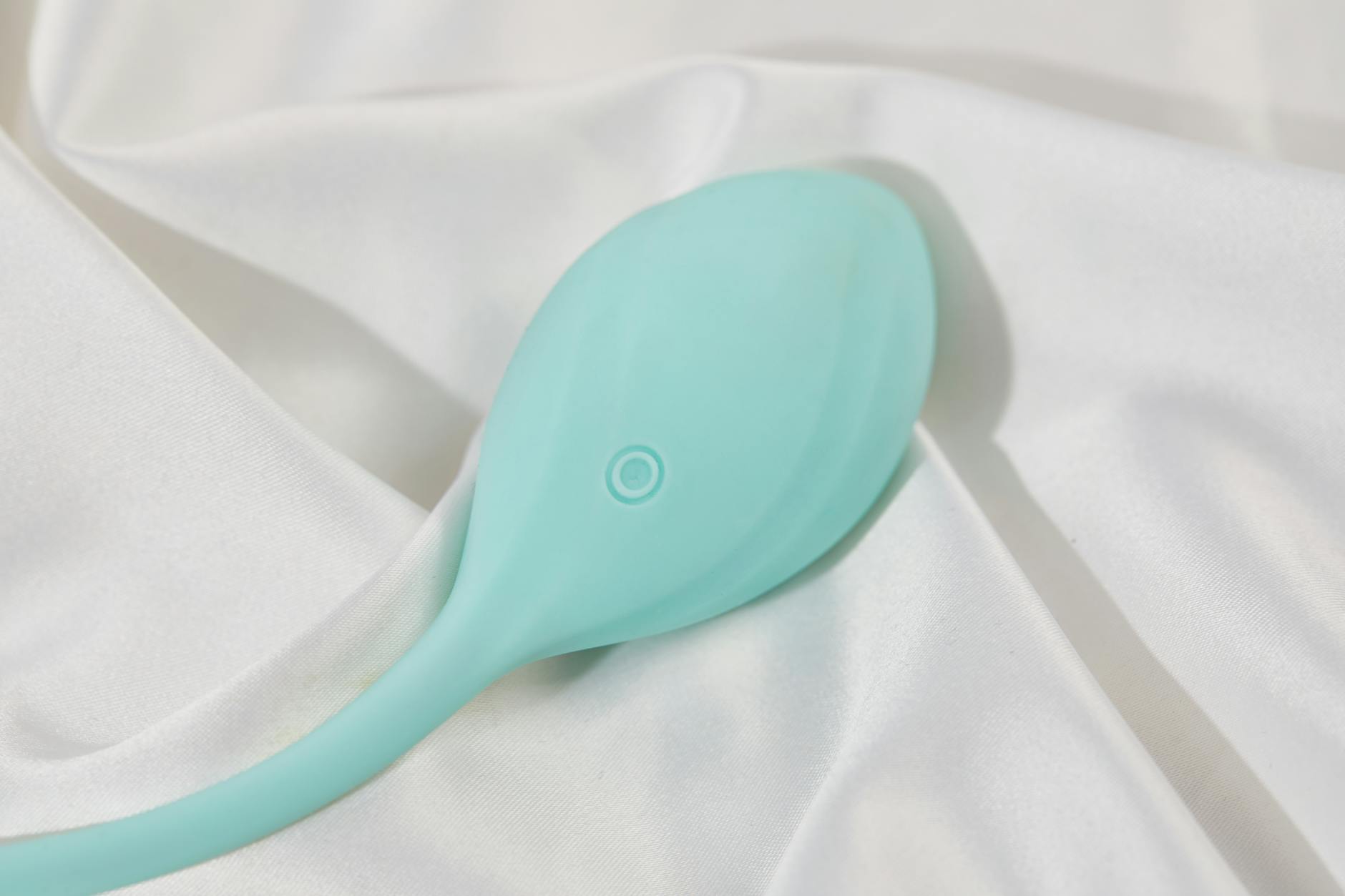
Photo by IFONNX Toys on Pexels
The sensitivity paradox: why some people become more responsive
Counterlogically, some lemon vibrator users report heightened sensitivity on the pill. This happens because hormonal birth control can reduce inflammation in genital tissue and stabilize the nervous system overall. Lower systemic inflammation sometimes means more precise sensory feedback. Your clitoris might respond more sharply to the suction patterns of a lemon clitoral vibrator because there's less swelling and tissue distraction.
People who experience this often say the experience feels cleaner, more direct. They can feel subtle pattern variations on their lemon vibrator more clearly. The suction sensation cuts through with less background noise from their body.
This effect is more common in the first 3-6 months of starting a new hormonal contraceptive, before your body fully adapts. If this describes you, it's worth mapping which sensations feel sharpest. You might discover you actually prefer lower intensity patterns or shorter stimulation windows because everything registers more intensely.
The muting effect: when your lemon vibrator feels distant
The flip side is more frequently reported. Many people on hormonal birth control experience a temporary dampening of genital sensation. This is especially true if you're on a higher-dose pill or switching to a method with different hormone ratios.
What's happening: lower circulating estrogen means less consistent blood flow to genital tissue. The clitoris doesn't engorge as quickly or as fully. Arousal takes longer to build. And when you're using a lemon vibrator, you might feel like you need higher intensity patterns or longer warm-up time to reach the same response you had before.
This is NOT a sign your body is broken. It's not permanent. And it doesn't mean you should abandon suction toys altogether. Many people find that switching from a traditional vibrator to a lemon sucker actually works better during this phase because suction creates a different kind of stimulation that doesn't rely as heavily on tissue engorgement.
The key: adjust your expectations for the first 2-3 months. Plan for longer foreplay. Start with lower intensity on your lemon clitoral vibrator and build up. This period usually passes.
Progestin sensitivity and desire fluctuations
The other hormone at play is progestin, which is present in most hormonal contraceptives. Progestin levels affect mood, appetite, and critically, sexual desire. Some formulations have higher progestin loads than others, and this is where the variability gets real.
If you're on the combination pill, you've got 21 days of hormone at one level, then a placebo week where hormones drop. That 7-day dip is when many people experience a brief uptick in arousal and sensitivity. If you're on the implant or IUD, hormones stay constant, which means your desire and sensitivity patterns flatten out instead of cycling.
Here's what I tell people: if you're on a consistent-hormone method like the implant and you notice your lemon vibrator never feels as good as it did when you had natural cycles, this is why. Your body isn't cycling through high and low arousal windows anymore. You're living in a hormonal middle ground.
Switching to a continuous-delivery pill (taking active pills without the placebo week) can help some people. Others find a different contraceptive method entirely makes a bigger difference.
Why the ring and patch feel different from the pill
People switching between pill, patch, and ring often tell me they experience different pleasure profiles with each. The reason is absorption and hormone delivery timing.
The pill delivers a dose of hormone all at once, then your body metabolizes it gradually. The patch releases hormone steadily through your skin. The ring releases hormone directly into your vaginal tissue at a consistent rate.
For lemon vibrator users, the ring is often the sweet spot. Because the hormone is delivered vaginally and locally, some people experience more consistent genital sensitivity. The tissue right where your lemon suction toy is working gets a steady, localized dose of hormone.
The patch delivers hormone systemically, which can feel more stable than the pill's peaks and valleys. Some people on the patch report steadier arousal and sensitivity than those on the pill.
The pill can feel more variable because of how your digestive system processes the hormone. This isn't better or worse. It's just different.
When arousal completely tanks: hormonal contraceptives and desire loss
Let's address the harder conversation. Some people start hormonal birth control and their sexual desire doesn't just dip temporarily. It disappears. Completely. And they can't seem to get it back no matter how much they try to use their lemon vibrator or engage with their partner.
This is real, it's documented, and it's worth investigating seriously. Certain progestin formulations are known to suppress dopamine and testosterone, both of which fuel sexual motivation. If you're one of these people, your body might simply be chemically incompatible with that particular contraceptive method.
The solution isn't to push through. The solution is to switch. Different pills, patches, and rings have different hormone loads and ratios. Some preserve desire better than others. A gynecologist experienced with this issue can help you navigate options.
Also worth knowing: desire loss on hormonal contraceptives is sometimes a sign that your relationship or life stress deserves attention too. The pill isn't always the culprit solo. But it can absolutely be the trigger.
How to navigate the adjustment period
If you've just started a new hormonal contraceptive and your lemon clitoral vibrator experience has changed, here's what actually helps.
First, give your body 8-12 weeks. Most hormonal adjustments settle out by this point. Your body adapts, and sensation normalizes. Fighting it in week two is premature.
Second, adjust your technique, not your toy. If sensation feels muted, warm up longer. Use your lemon vibrator on lower intensity patterns initially and build up gradually. If it feels too intense, the opposite. Start on pattern 1 and move deliberately.
Third, track your pleasure alongside your cycle if you're on a method that creates one. Some people notice they respond better to suction toys a few days before their period or in the days right after their placebo week. Mapping this pattern helps you plan.
Fourth, talk to your partner if you have one. This is a temporary, expected shift, not a referendum on your attraction or your relationship. Partners with different arousal speeds often need communication strategies anyway.
Fifth, consider your overall health. Sleep, stress, and exercise all affect how your body responds to stimulation. If you've started birth control and cut your sleep or ramped up your stress simultaneously, that's muddying the water.
When to switch contraceptives
Some sensations shifts are temporary. Some are signs that a particular method just isn't right for you. Here's how to tell the difference.
Temporary adjustments usually resolve within 3 months. Your lemon vibrator gradually feels more responsive. Your desire rebounds. You find new favorite patterns. You adjust your warm-up time and move forward.
A true incompatibility usually shows up within 6-8 weeks and doesn't improve. Your arousal stays flat. Using your lemon clitoral vibrator feels like obligation, not pleasure. Your desire for sex in general has evaporated, not just during masturbation. You're experiencing mood changes, weight shifts, or other side effects alongside the desire loss.
If you're at that point, talk to your gynecologist. You're not broken, and the pill isn't the only option. IUDs, implants, barrier methods, permanent methods. the landscape is wider than people realize.
The long-term picture
Here's what I want you to know. Pleasure isn't a static thing. It changes with your body, your relationships, your stress, your hormones. A lemon vibrator that felt amazing at 25 might feel different at 35 or 45, not because the toy changed but because you did.
Hormonal birth control is a big variable in that picture. Acknowledging it isn't weakness or overthinking. It's paying attention to your body, and your body is worth that attention.
Your pleasure matters. The sensations that work for you matter. If a particular contraceptive method is dampening that, you deserve to explore other options. And if you're in a relationship, your partner deserves to understand that this shift isn't about them either.
FAQ
Does hormonal birth control permanently change how clitoral suction toys feel?
No. Changes to sensation and arousal are usually temporary, settling within 8-12 weeks as your body adapts to the new hormone profile. If changes persist beyond three months or get worse, that's often a sign the specific contraceptive method isn't right for you. Switching to a different pill, ring, patch, or entirely different method typically restores sensation closer to baseline.
Why does my lemon vibrator feel less intense on the pill but better when I skip my placebo week?
That's because estrogen dips during the placebo week, which briefly restores some of your natural hormonal cycling. Your clitoral tissue gets a slight surge of sensitivity in that window. Many people on combination pills notice this pattern consistently. If this is you, you might explore a continuous-delivery pill that skips the placebo week entirely, giving you steadier sensation throughout your cycle.
Can the implant or hormonal IUD affect how my lemon clitoral vibrator works?
Yes. These methods release hormones continuously without any fluctuation, so your baseline sensitivity tends to be flat rather than cycling. Some people find suction toys work better because they create stimulation through a different mechanism that doesn't depend on tissue engorgement. Others notice desire takes longer to build overall. Give it 12 weeks minimum before deciding if it's right for you.
Should I switch my birth control if my lemon vibrator doesn't feel as good?
Not immediately. If sensation changes are the only shift and you're happy with your contraceptive otherwise, adjustment strategies often help within a few weeks. But if desire loss or sensation dampening is accompanied by other side effects (mood changes, weight gain, headaches) or persists beyond three months, talking to your gynecologist about alternatives is absolutely worth it. Your contraceptive should work with your body, not against it.
Does the hormonal IUD or implant make suction toys feel different than the pill does?
Sometimes yes. The implant and hormonal IUD deliver steady, continuous hormones, so your sensitivity tends to stay constant rather than fluctuating. Some people find this makes suction toys feel more predictable. Others miss the natural cycling effect. The pill creates mini cycles even on active weeks, which some people find more conducive to pleasure. It's genuinely individual.
If I'm losing desire on my current birth control, how long should I wait before switching?
If you're in the first 6-8 weeks, give it until week 12. Many people see improvement by then. If you're already 3 months in and desire hasn't budged, that's a real signal. Schedule a conversation with your gynecologist about trying a different formulation or method. Some progestin types are known to suppress dopamine more than others. A doctor who understands sexual side effects can help you find a better fit without judgment.